
Last updated November 23, 2026
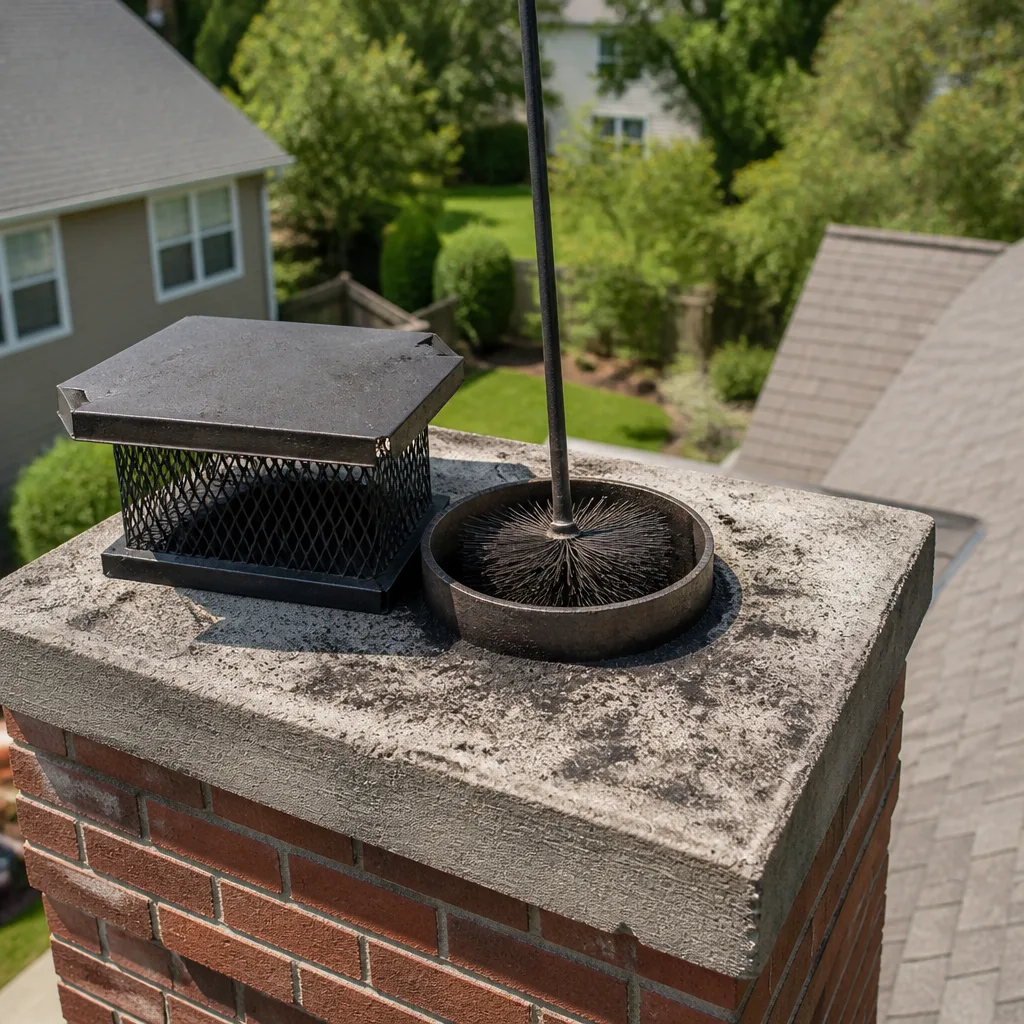 Sweep & inspection
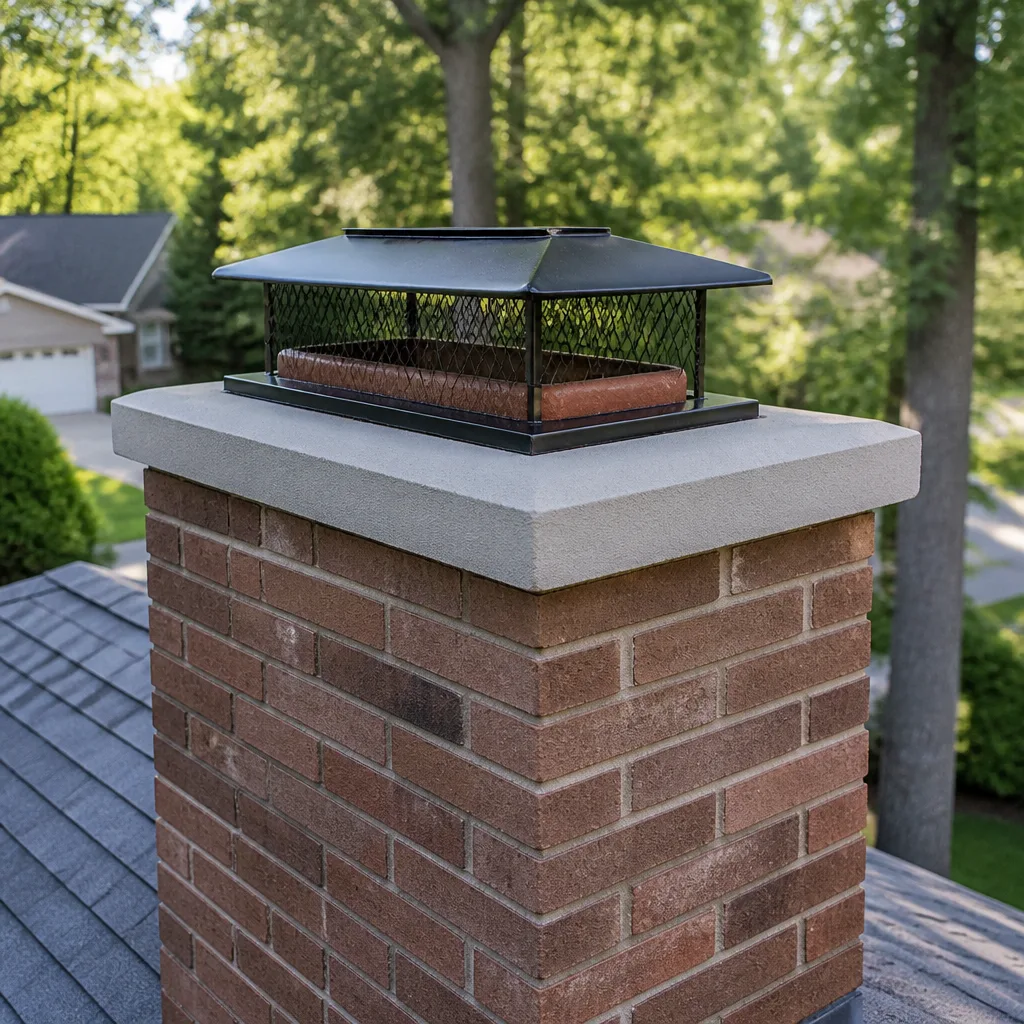 Caps & crowns
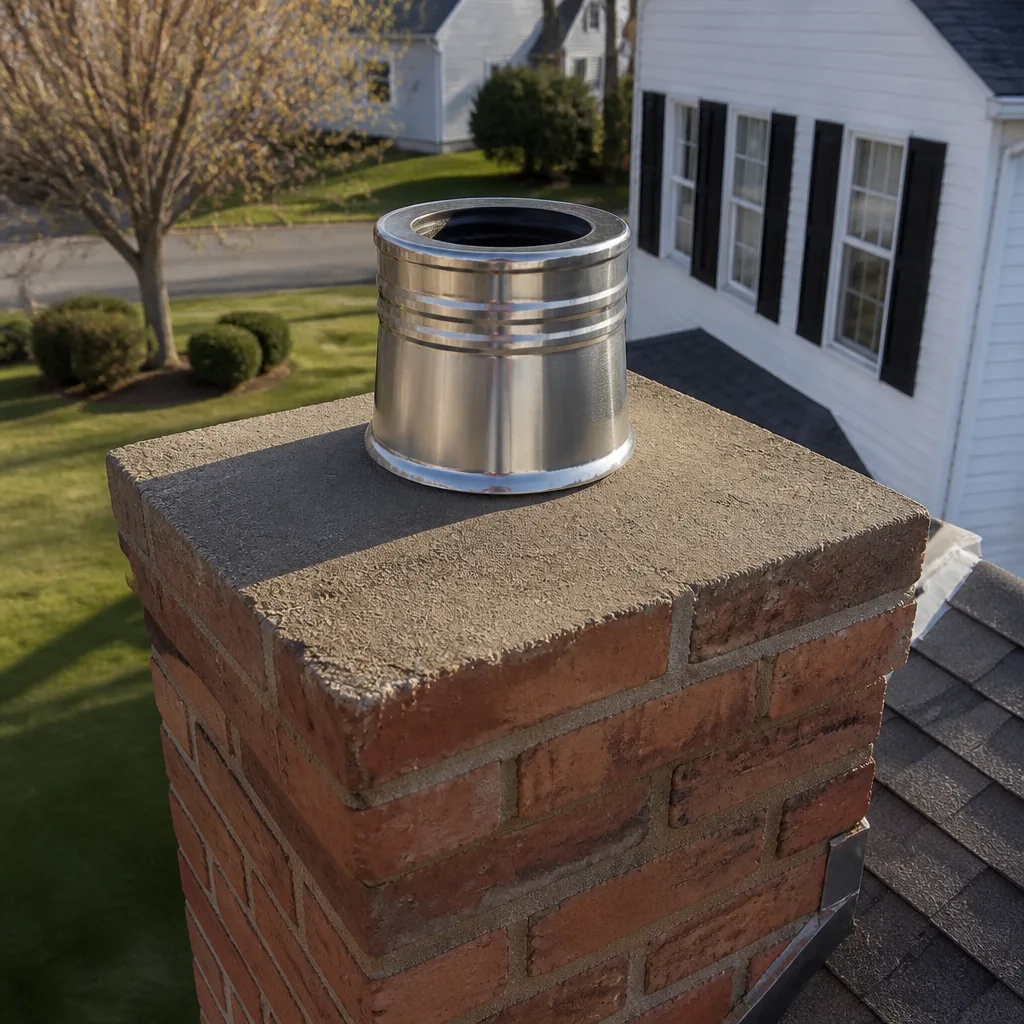 Flue relining
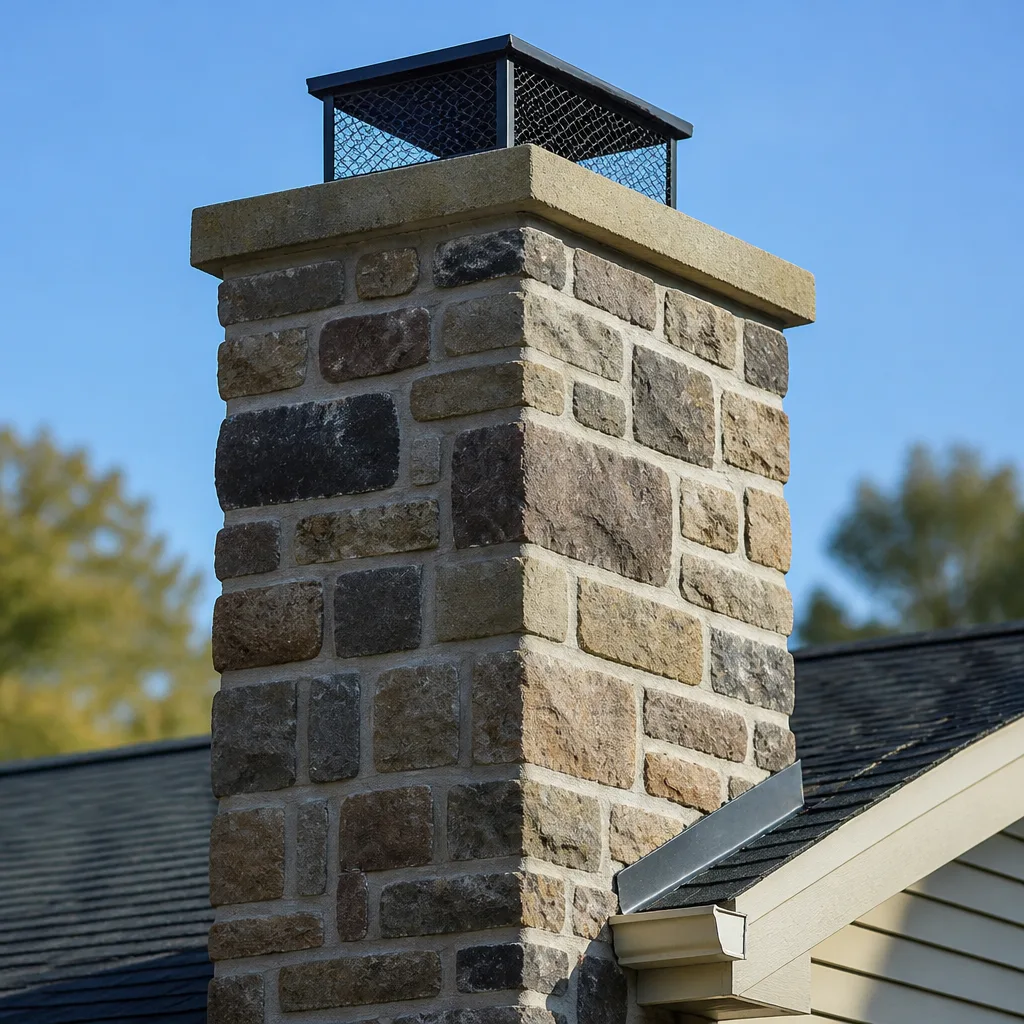 Masonry repair
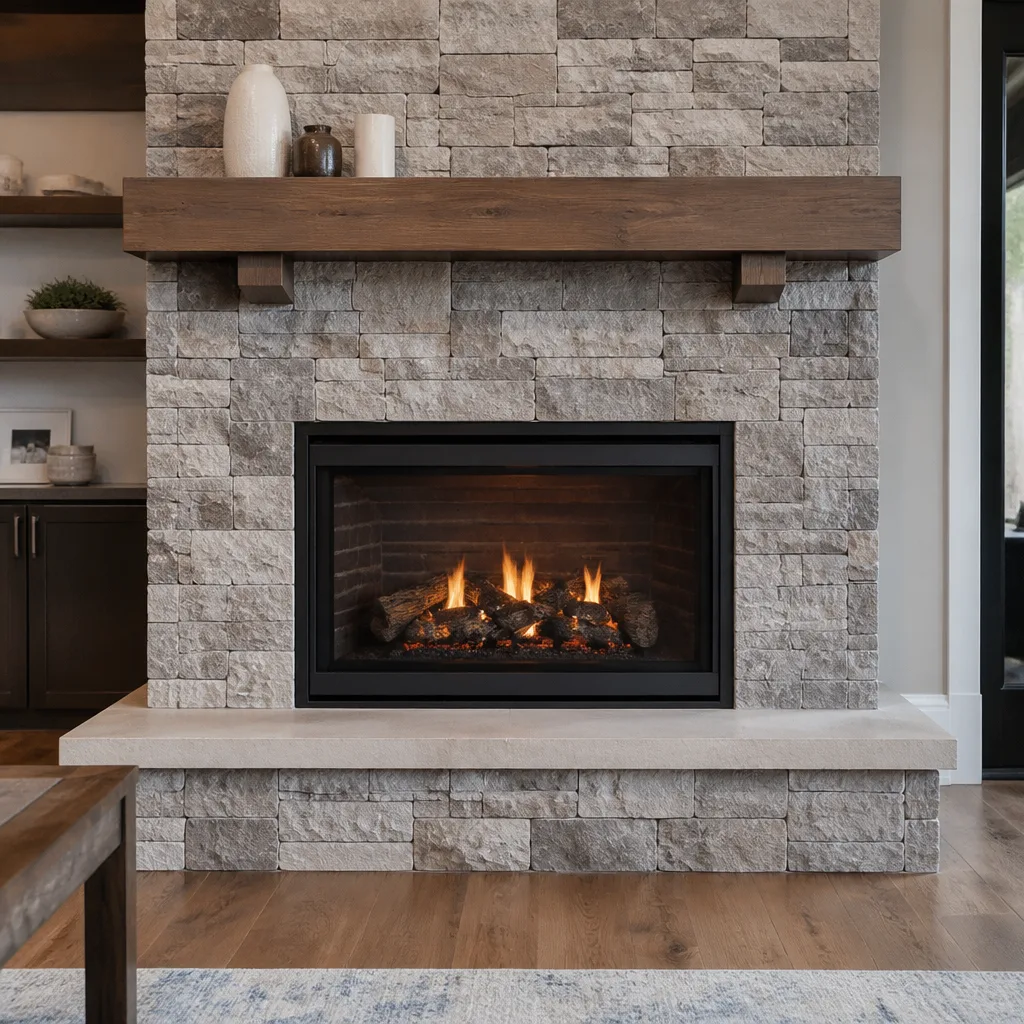 Gas fireplace service
Level 1 sweep and inspection to the NFPA 211 annual standard - flue, crown, cap, and flashing checked and photographed
Chimney sweep logs do not sweep chimneys. They loosen some creosote - which then falls where a brush and vacuum still have to collect it.
Chimney Cleaning Emergency Preparedness Guide for Mariners Harbor Homes
During a chimney fire, the instinct to douse it with water is exactly wrong. Water hitting a hot clay liner can shock it into cracking, and a contained flue fire suddenly becomes a structural problem inside your walls. The fire itself is only half the danger. What a homeowner does in those first few minutes, and what they have ready before the fire ever starts, decides how the night ends.
This guide walks through the buildup pattern that leads to chimney emergencies in Mariners Harbor, how to respond correctly when one happens, and what to have in place so it never gets that far. You’ll learn how to tell a chimney fire apart from a normal burn, how to read carbon monoxide risk from backdraft, what a real post-fire inspection has to cover, and how to document everything for an insurer.
Quick Answer
A chimney emergency in Mariners Harbor is usually the end result of a slow buildup: creosote accumulation, a failing liner, or a blocked flue that finally crosses a threshold. The correct response to a chimney fire is to get everyone out, call 911, and never throw water down the flue. After any fire, backdraft event, or sudden draft failure, the fireplace stays off until a professional inspection confirms the flue is structurally sound and clear.
Styles & brands we work with
- Sweep & inspection
- Caps & crowns
- Flue relining
- Masonry repair
- Gas fireplace service
Table of Contents
- How Chimney Emergencies Build Up Before They Happen
- What to Do During a Chimney Fire: Step by Step
- Carbon Monoxide and Backdraft: How to Tell the Difference
- What a Post-Fire Inspection Must Include
- Emergency Preparedness Checklist for Mariners Harbor Homes
- Documenting a Chimney Emergency for Insurance
- Prevention and Routine Care on Staten Island
- Common Mistakes to Avoid
- When to Call a Professional
- Frequently Asked Questions
How Chimney Emergencies Build Up Before They Happen
A chimney fire almost never starts without warning. In our experience, the buildup follows a pattern that plays out over months, sometimes a couple of seasons. The flue collects creosote from every burn – a tar-like residue that thickens with each fire, especially when wood is unseasoned or the fire is starved of air. Meanwhile, the liner slowly degrades from heat cycling. A hairline crack in a clay tile can widen across a winter of regular use. A cap comes loose and lets in rain and debris. By the time an actual emergency happens, three or four small failures have usually stacked on top of each other.
Mariners Harbor homes tend to fall into a specific pattern here. Many were built mid-century with masonry fireplaces that have been through decades of use without a liner upgrade. Some have been converted to gas inserts without the flue being resized for the new appliance’s venting requirements. Others sit on blocks where the chimney is exposed to the prevailing wind, and the crown or cap takes a beating over time.
What you can actually watch for:
- Creosote growth: glazed, shiny, or flaky residue visible on the damper or firebox walls is a warning sign that the flue above is coated too.
- Draft changes: a fire that used to draw well but now smokes into the room when you light it.
- Liner cracks: visible in the firebox or at the top of the flue during a visual check with a flashlight.
- Damper problems: a damper that sticks, won’t fully open, or won’t seat when closed.
- Cap and crown damage: missing spark screens, cracked mortar at the crown, or a cap that shifts in wind.
- Water intrusion: staining on the firebox walls or a damp smell after rain.
None of these is an emergency on its own. Together, they’re the runway a chimney fire uses to get airborne. If you spot two or more, schedule a chimney sweep and inspection before the next heating season, not after.
What to Do During a Chimney Fire: Step by Step
The first thing to know is what a chimney fire looks like, because it isn’t always obvious. A roaring, popping sound from the flue, thick dark smoke from the chimney top, or flames or sparks visible at the crown are all classic signs. Sometimes the fire is quiet and you only notice a hot chimney breast, a smell of burning creosote, or a sudden draft reversal. Either way, treat it the same.
Here is the correct response, in order:
- Get everyone out of the house. People first, pets second, belongings last. Once outside, stay out.
- Call 911. A chimney fire can spread into the framing in minutes, even if it looks contained. Firefighters have the tools to check the attic and wall voids where a fire hides. Call 911 for any confirmed chimney fire or any event where the flue glows, roars, or throws flame at the crown.
- If the fire is small and clearly contained, close the damper and firebox doors. Starving the fire of oxygen helps – but only if you’re certain it’s safe to approach. If there’s any heat radiating into the room, don’t touch the stove or damper; leave the house.
- Do not throw water down the flue. A cup of water into a 1,000-degree clay liner causes near-instant thermal shock. Tiles crack, mortar joints open, and the fire finds a path into the chimney structure and the framing around it. Water on a hot flue turns a chimney problem into a house fire problem.
- Do not close the firebox doors on a roaring fire and leave the room. A sealed firebox can pressure the flue gases into cracks and gaps. Unless you’re staying to watch it and the fire is small, evacuate.
- Wait for the fire department. When they clear the scene, do not light another fire until a professional chimney inspection has been completed. That’s true even if the fire seemed minor.
After the fire is out, that’s when you call us. Fast dispatch from 7am to 7pm, Sunday through Friday, and we answer 24/7 at (877) 792-7270. The inspection comes before any cleaning or repair work – the fire has to be out and the flue cool enough to inspect safely.
Carbon Monoxide and Backdraft: How to Tell the Difference
Carbon monoxide coming from a chimney is a draft problem, not a fuel problem. In a properly operating system, CO leaves the house through the flue. When draft fails – because the flue is blocked, the liner has a crack, or negative pressure from another appliance is pulling air down the chimney – CO backs into the living space instead. That’s a backdraft event, and it can happen at any time of the year, not just during heating season.
In a Staten Island home, CO source attribution matters. A chimney is one possible source. A gas furnace, a boiler, a gas water heater, a gas range, or an attached garage can all produce CO as well. What makes a chimney-related CO event distinct is usually the timing:
- Worse during or right after lighting a fire. CO alarms trigger when the homeowner starts a burn and the flue doesn’t draft.
- Worse in weather. Wind-driven backdraft at the crown, or a pressure inversion from a cold snap, will push smoke and CO down the flue.
- Worse with all the fans running. Bath fans, kitchen hoods, and clothes dryers pulling air out of a tight house can reverse draft on a chimney that’s marginal.
- Worse after a liner repair that wasn’t properly sized. A gas appliance vented into an oversized masonry flue will struggle to develop draft.
If your CO alarm goes off and you suspect the chimney, the response is the same as any CO emergency: evacuate, call 911 or the gas utility, and do not re-enter until you’re cleared. After the all-clear, a chimney inspection needs to include a draft measurement and a check of the flue’s internal condition, not just a visual look at the firebox. Backdraft from a blocked or cracked flue has to be ruled out before anyone lights the fireplace again.
This is where our Famco and Copperfield product access matters for Mariners Harbor homes. Draft correction isn’t guesswork – it’s a matter of matching the appliance to the flue with the right components, then verifying the result on a gauge.
What a Post-Fire Inspection Must Include
A flashlight check from the firebox door is not a post-fire inspection. A real one covers the whole chimney system, top to bottom, with the right tools. Here’s what that has to include:
- A visible internal scan of the full flue length. A camera inspection shows the liner’s condition from the smoke chamber to the crown – not just the firebox and not just the top tile.
- Crack and joint checks on the liner. Clay tiles crack along the joint or through the tile body. Stainless liners develop seam separations or heat distortion. Both have to be checked individually, not assumed intact because the flue draws.
- Smoke chamber and damper inspection. The smoke chamber is where fires cause hidden damage – it’s a sloped transition behind the damper that rarely gets looked at. A fire that damaged the smoke chamber can leave it with cracked parging that later allows CO migration.
- Crown and cap condition. A chimney fire often blows the cap off or cracks the crown mortar. Both need a check from the roof level.
- Exterior and interior structural check. The chimney breast, the attic penetration, and the roof flashing all need a look. Fire damage to framing is invisible from the living room.
- A camera photo report of what was found. You get the evidence you can see yourself, not just a summary in an invoice.
Visual-only checks miss liner damage that’s still hidden behind the firebox walls and smoke chamber. This is where HeatShield flue resurfacing comes in for many Mariners Harbor chimneys – if the liner is cracked but still structurally sound, resurfacing can restore the flue without a full tear-out. Where the liner is beyond repair, a DuraFlex flexible liner is the modern, code-compliant replacement. We use both because the right answer depends on what the camera shows.
Emergency Preparedness Checklist for Mariners Harbor Homes
Most of what protects a Mariners Harbor home from a chimney emergency costs less than a repair and takes minutes to set up. The list below is what we recommend every homeowner with a working fireplace has in place before the next burn.
- Working CO alarms on every floor. Test them monthly and replace the batteries on a schedule. CO alarms save lives only if they’re powered and working.
- Chimney fire suppressant sticks. These are designed to be thrown into an active firebox to knock down a chimney fire – read the label and keep a pair where you can reach them without entering a smoky room. They are a backup to calling 911, never a substitute.
- A clear path to the damper. Some homeowners discover the damper is stuck or blocked during an emergency. Check that it operates freely before the first fire of the season.
- Fire extinguishers in reach. One in the kitchen and one near the fireplace. Check the gauge.
- A working flashlight. You’ll want it if the power goes out, and you’ll want it to see smoke at the crown.
- A cap with a spark screen. Prevents embers from landing on the roof and keeps animals and debris out.
- A written record of your last inspection. If you haven’t had one in more than two heating seasons, schedule one before your next fire.
- No clutter near the firebox. Firewood, newspaper, and furniture close to the hearth will be in the way during an emergency.
We keep Olympia Chimney and Gelco components on hand for cap and crown work because those two brands support the exterior parts of the system that fail first in a lot of Mariners Harbor homes. A properly capped chimney stays dry, and a dry flue is a safer flue. A chimney cap & crown replacement is one of those small repairs that prevents a real emergency.
Documenting a Chimney Emergency for Insurance
Insurance claims for chimney fires live or die on documentation. Most homeowner policies cover fire damage to the chimney and the surrounding structure, but insurers will ask for a professional report before they authorize repairs. The paperwork you should collect post-incident:
- The fire department’s incident report number. Ask for it at the scene. It backs up your timeline and is often requested by the claims adjuster.
- The date, time, and description of what happened. Write it down while it’s fresh. Note what you observed, what you did, and when the fire department arrived.
- Photos of the chimney exterior, the firebox, and any interior staining or soot. Take these after the fire is out and the fire department says it’s safe, not before.
- The chimney inspection report, with the camera images included. The report should identify what was damaged and what wasn’t, in plain terms. If a liner tile is cracked, the report should show where and how wide.
- Written scope of recommended repairs. Line items, materials, and a written estimate set the final price. That’s what the adjuster quotes against.
- Product documentation for any replacement parts. If your chimney gets a new cap, crown, or liner, the product wrapper matters. Contractor-grade materials from known brands like Olympia Chimney, Gelco, DuraFlex, or HeatShield have traceable documentation a big-box generic part doesn’t.
Ask for a copy of everything in writing. A claim adjuster will want the same report you do.
Prevention and Routine Care on Staten Island
Prevention isn’t mysterious. Most chimney fires in Mariners Harbor are preventable through three habits: burning dry wood, sweeping regularly, and getting the chimney inspected every year you use it heavily.
Burning dry, seasoned firewood cuts creosote buildup dramatically compared to unseasoned wood. A moisture meter or a simple check – two pieces banged together should sound hollow, not hiss – tells you if the wood is ready. Softwood burns hot and fast; hardwood burns longer. Either way, dry is what matters.
A routine Chimney Sweep Mariners Harbor visit covers sweeping, an inspection, and a camera report in one appointment. We inspect before we recommend – nothing gets scheduled for repair unless the camera shows the reason. If the flue is sound but the fireplace is drafting poorly or the firebox has cracked brickwork, our fireplace repair service covers the firebox itself without touching the flue. If the crown has cracked mortar or the cap has come loose, the chimney cap & crown work handles the exterior parts of the system.
One call covers cleaning, inspection, and repair, which matters in Mariners Harbor. Not everyone wants to line up three contractors for one chimney problem. Our technicians have up to 8 years of experience working specifically on chimney and fireplace systems. That’s chimney-only focus, not a handyman coming out between HVAC jobs. We’ve seen what that split attention costs.
The seasonal urgency here is real. In our experience, the calls come in waves: after the first hard frost, and then again after the first cold snap drives people to light fires they haven’t had inspected. Get inspected before burning season, not during.
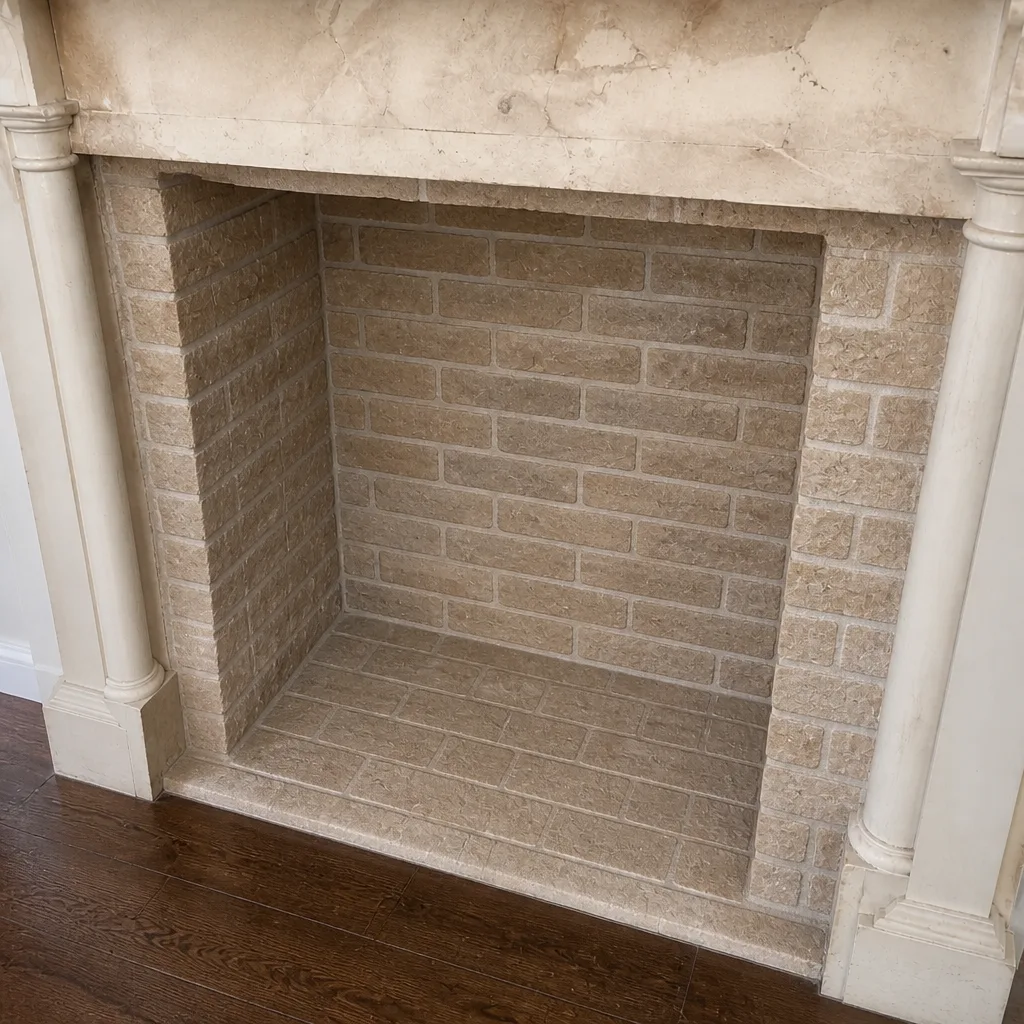
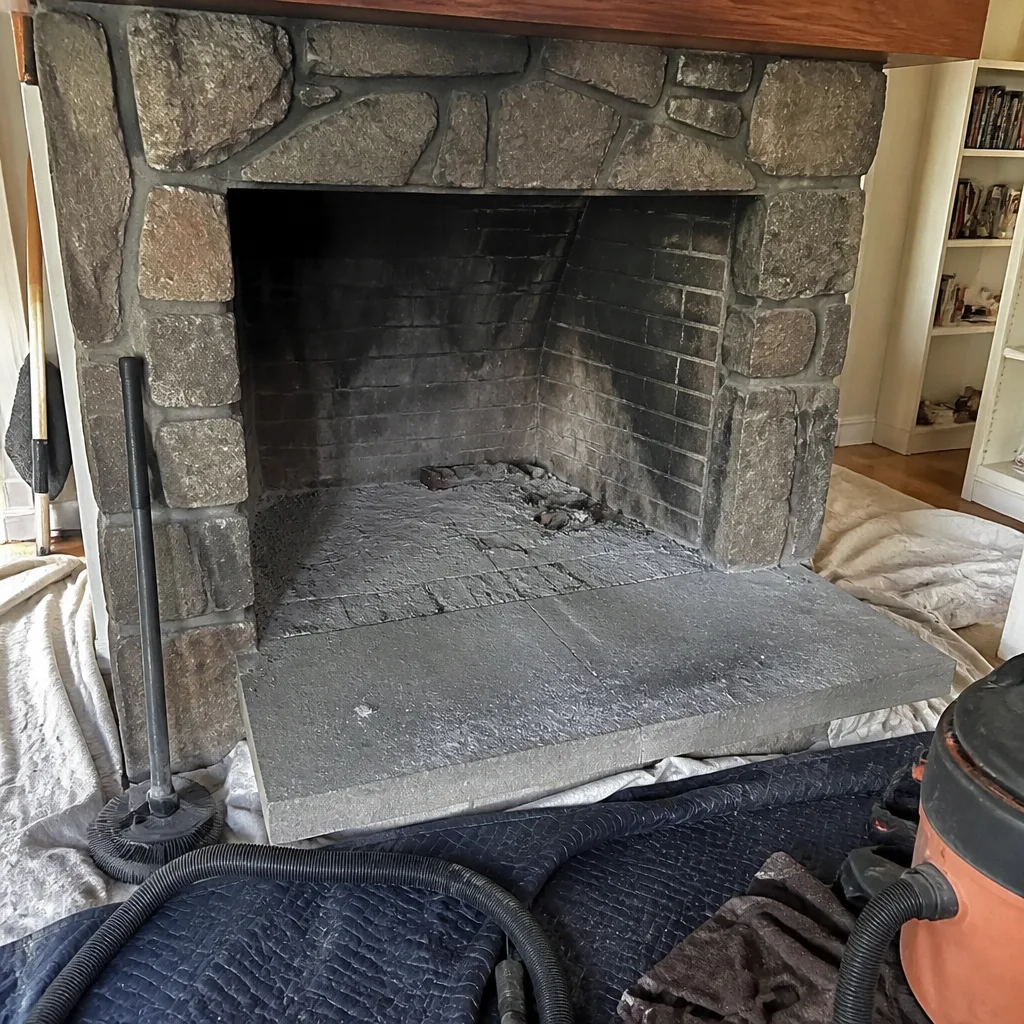
See the difference
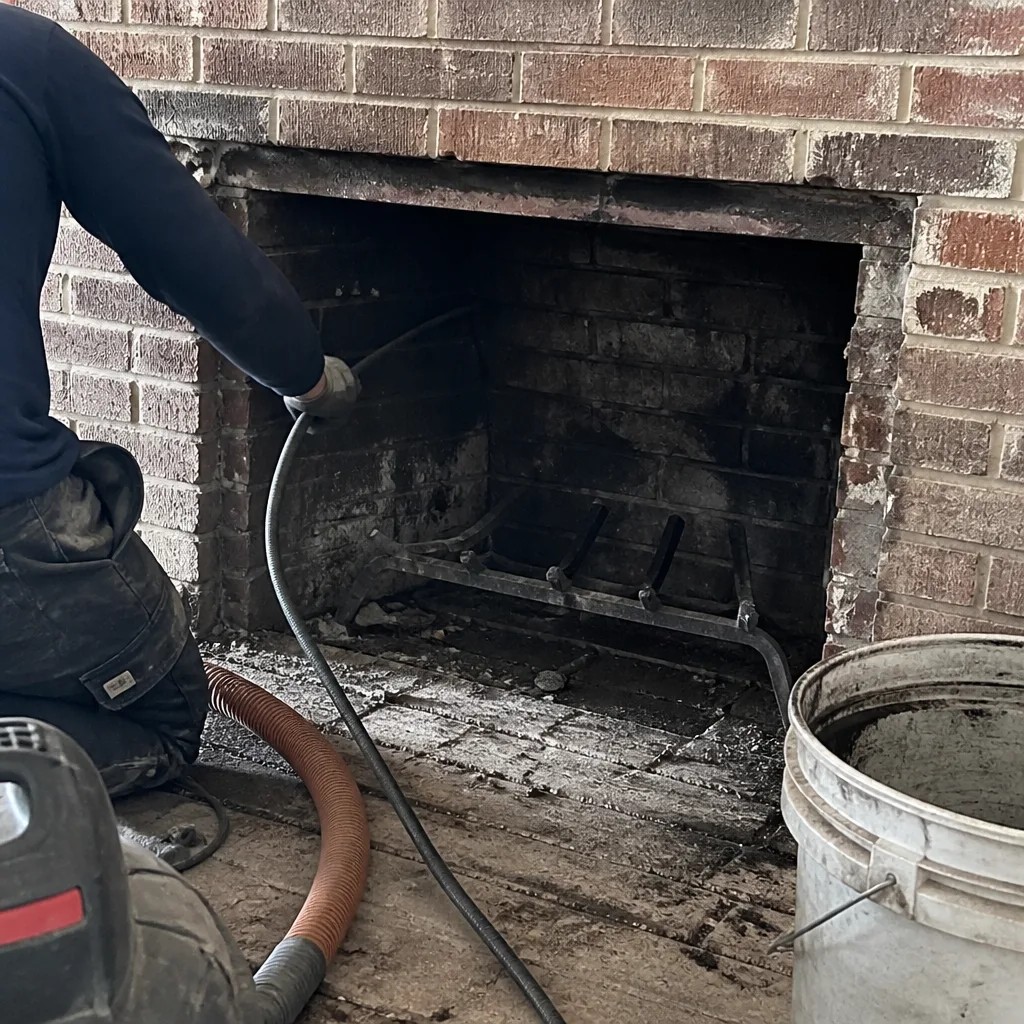 Before
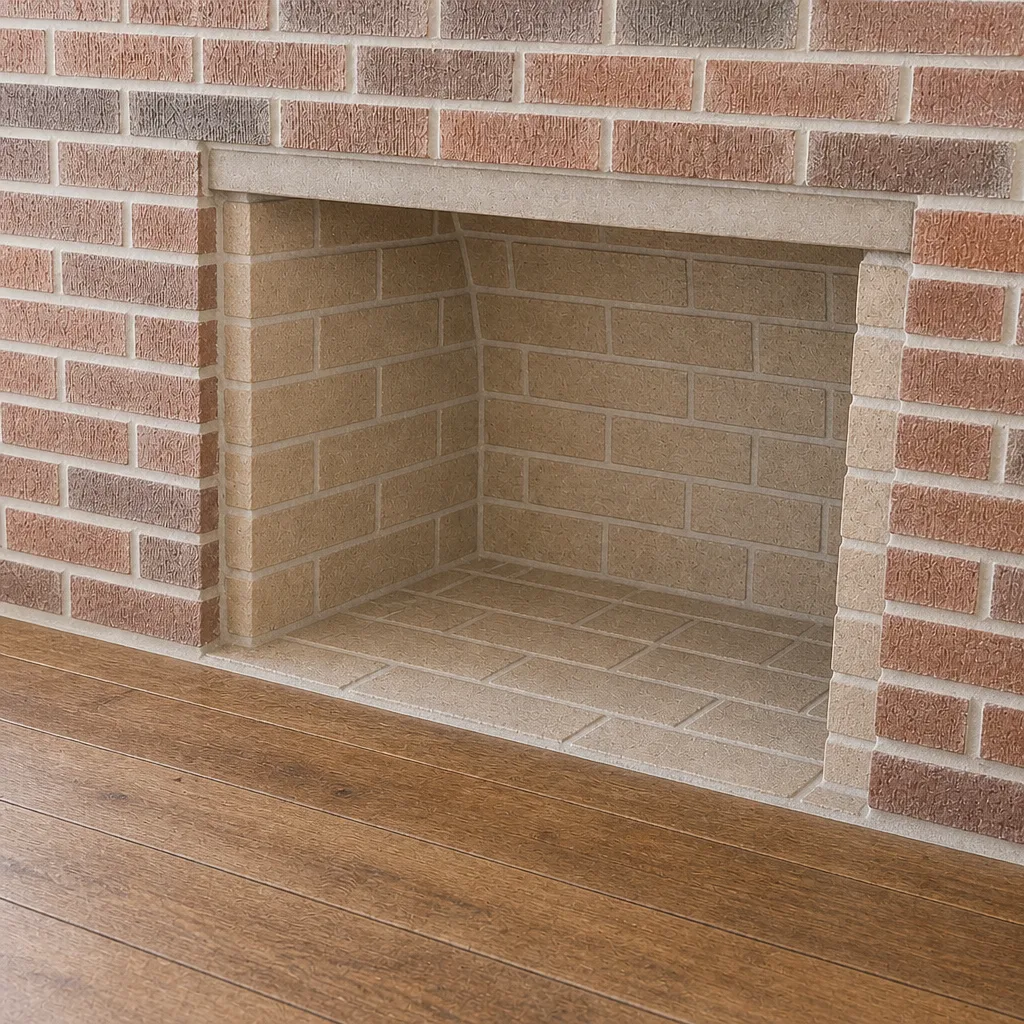 After
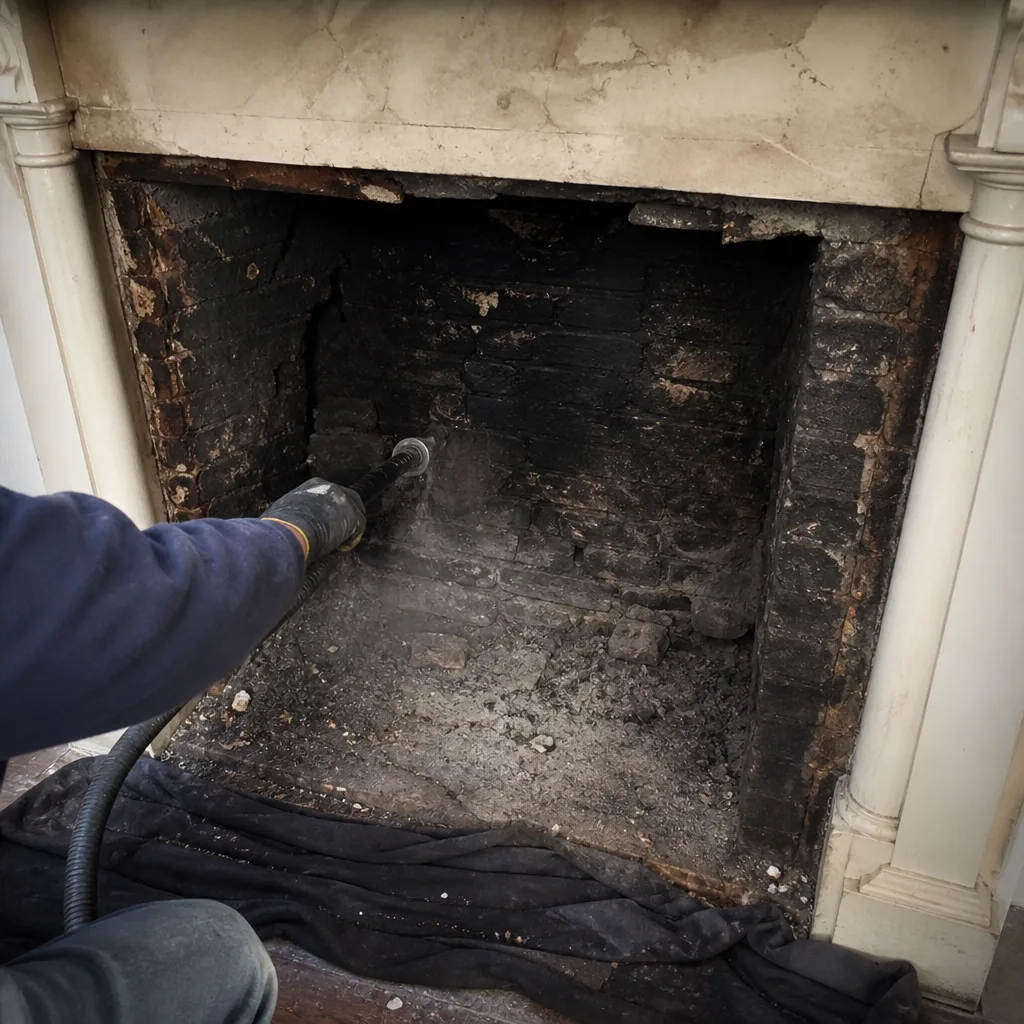 Before
 After
 Before
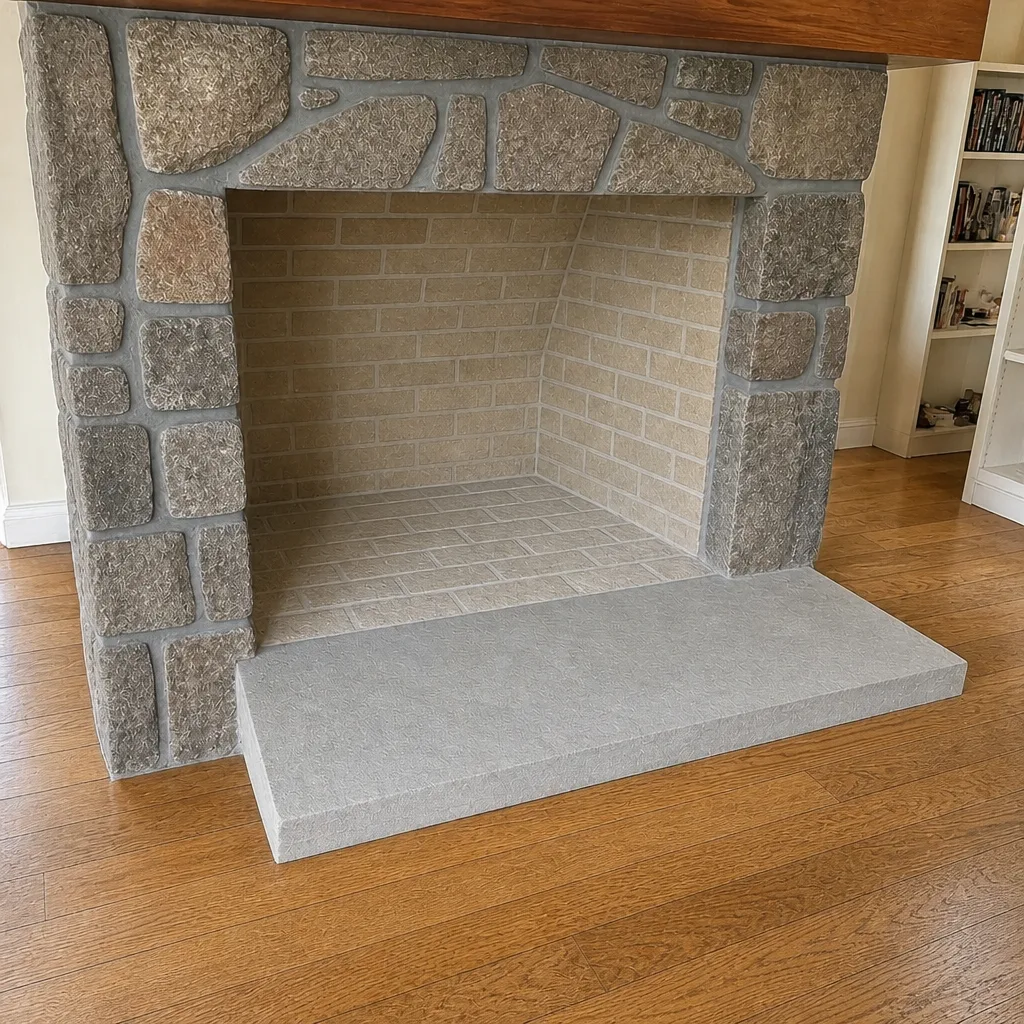 After
Common Mistakes to Avoid
- Throwing water on a chimney fire. Thermal shock cracks clay liners and turns a contained fire into a structural one. Close the damper if you can do so safely, and call 911.
- Relighting the fireplace after a fire without an inspection. A fire that seemed contained can leave cracked tiles and exposed framing that only show up under a camera. The next fire makes it worse.
- Assuming the CO alarm was a false alarm. CO alarms don’t false-alarm for no reason. If one goes off and the source isn’t obvious, get it investigated before you burn again.
- Leaving a chimney unswept for years because the fireplace “seems fine.” Draft and appearance reveal very little about internal creosote buildup or liner cracks. An annual inspection is what catches it.
- Using a hardware-store cap on a masonry chimney. Generic caps often fail to fit, blow off in wind, or block draft on a flue they weren’t sized for. Proper sizing matters.
- Hiring a generalist for chimney repair. A roofer, a handyman, or an HVAC tech may know how a chimney is assembled but not how it drafts. The chimney-specific products, tools, and knowledge live with a chimney specialist.
- Not asking for the camera images. If a sweep tells you the liner needs replacing, they should show you why. No photos, no reason to schedule the work.
When to Call a Professional
Call us when the answer isn’t obvious, and especially in these scenarios:
- After any chimney fire, backdraft, or CO alarm event, before relighting.
- When you notice draft problems that didn’t exist last season.
- When the cap is missing, cracked, or shifting.
- When the firebox has cracked bricks or loose mortar.
- When you’ve bought a home in Mariners Harbor and don’t have a record of the last inspection.
- When it’s been more than two heating seasons since a sweep.
- When the fireplace smells smoky even with the damper open.
Chimney Sweep Mariners Harbor offers free estimates in Mariners Harbor. Call (877) 792-7270. We answer 24/7. Fast dispatch from 7am to 7pm, Sunday through Friday. The estimate is free and the price is set per job by the written estimate. Nothing gets recommended without camera evidence you can see for yourself.
Frequently Asked Questions
Get everyone out of the house and call 911 immediately. Don’t throw water down the flue – it can crack the liner and make the fire spread into the framing. If it’s safe to approach, close the firebox doors or damper to starve the fire of oxygen, but never stay inside a house with an active chimney fire.
For a free estimate, call us at (877) 792-7270. Estimates are free and the price is set per job by the written estimate, so we don’t quote a number before we see the chimney. The inspection includes a camera look at the full flue and a photo report you can review.
Not always. It depends on what the camera shows. A hairline crack or localized damage may be repairable with HeatShield flue resurfacing instead of a full liner replacement. Where the damage is more extensive or the liner has lost structural integrity, a DuraFlex flexible liner is the code-compliant replacement. We won’t recommend either one before you’ve seen the images yourself.
Sweep annually when the fireplace is used regularly. For a home in Mariners Harbor where the fireplace runs most of the heating season, an annual sweep and inspection is the baseline. Homes that burn less frequently can sometimes stretch it, but skipping two seasons in a row is where we see real damage begin.
Creosote keeps accumulating and liner cracks go unnoticed until something fails. That failure can be a chimney fire, a CO backdraft event, or structural damage discovered after the problem has spread. An inspection catches the small stuff before it becomes an emergency.
An active fire, smoke in the room, a CO alarm, or visible flame at the crown is an emergency – evacuate and call 911. Draft problems, a missing cap, or a cracked firebox brick are not emergencies, but they should be inspected before the next fire. Call us at (877) 792-7270 and we’ll tell you honestly whether what you’re describing can wait for a scheduled appointment or needs immediate attention.
The Bottom Line
A chimney emergency in Mariners Harbor is almost never a surprise. It’s the end result of a buildup: creosote, liner wear, cap damage, and draft that’s been failing slowly. Knowing the buildup pattern lets you catch the problem early, and knowing the right response lets you act correctly if it happens anyway. Water down the flue, no. Fire department first. Inspection before the next fire – every time. And a chimney system that’s maintained on a schedule is what prevents the emergency you’re trying to prepare for.
At the end of the day, the difference between a swept chimney and an emergency is one phone call. We can be that call. Call (877) 792-7270 for a free estimate. We answer 24/7. Fast dispatch from 7am to 7pm, Sunday through Friday.
Written by the team at Chimney Sweep Mariners Harbor.