
Last updated November 23, 2026
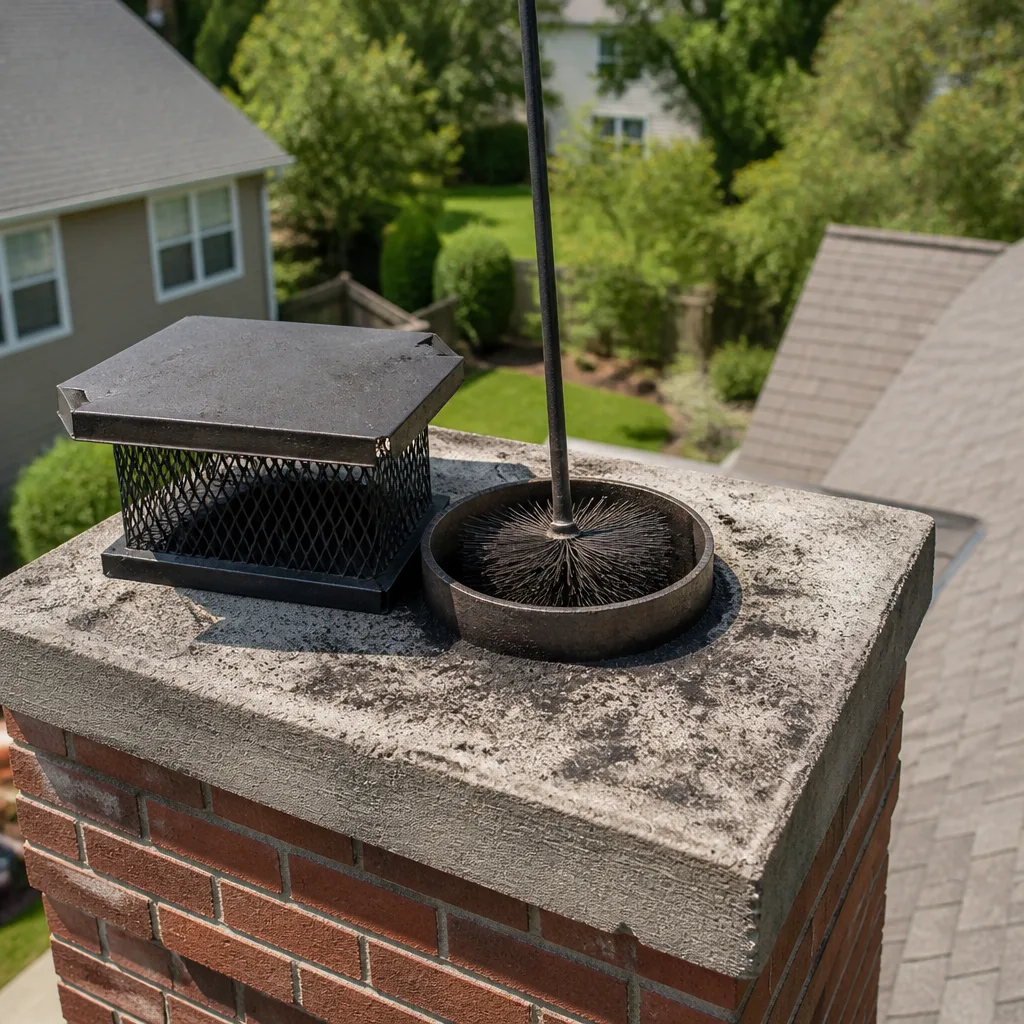 Sweep & inspection
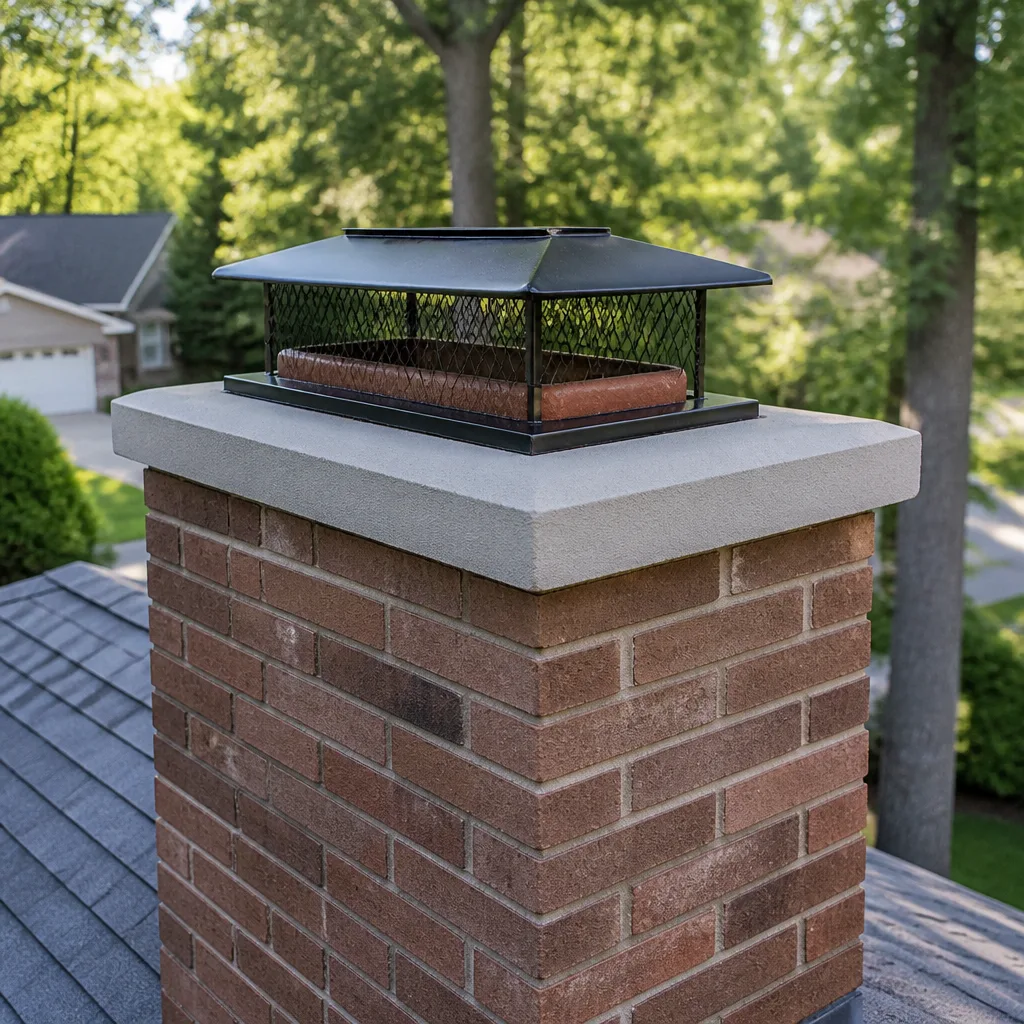 Caps & crowns
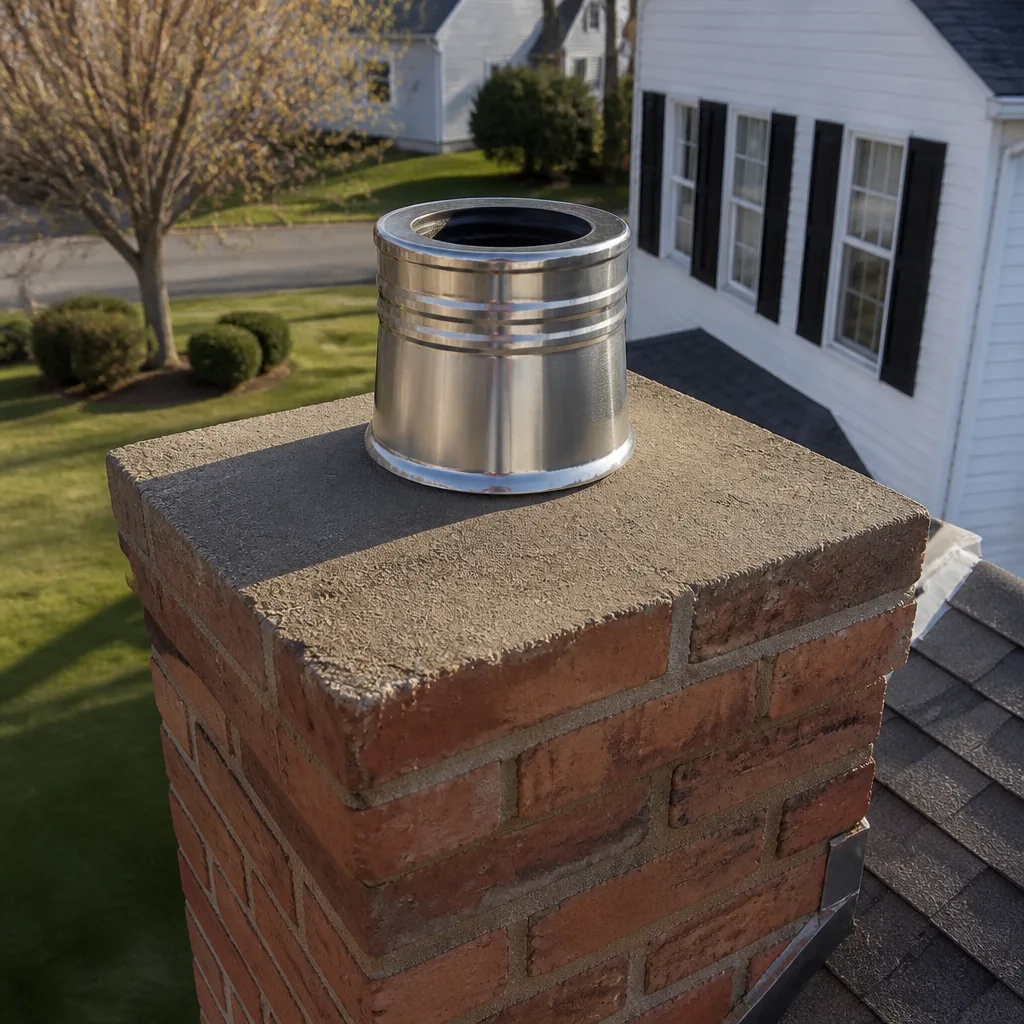 Flue relining
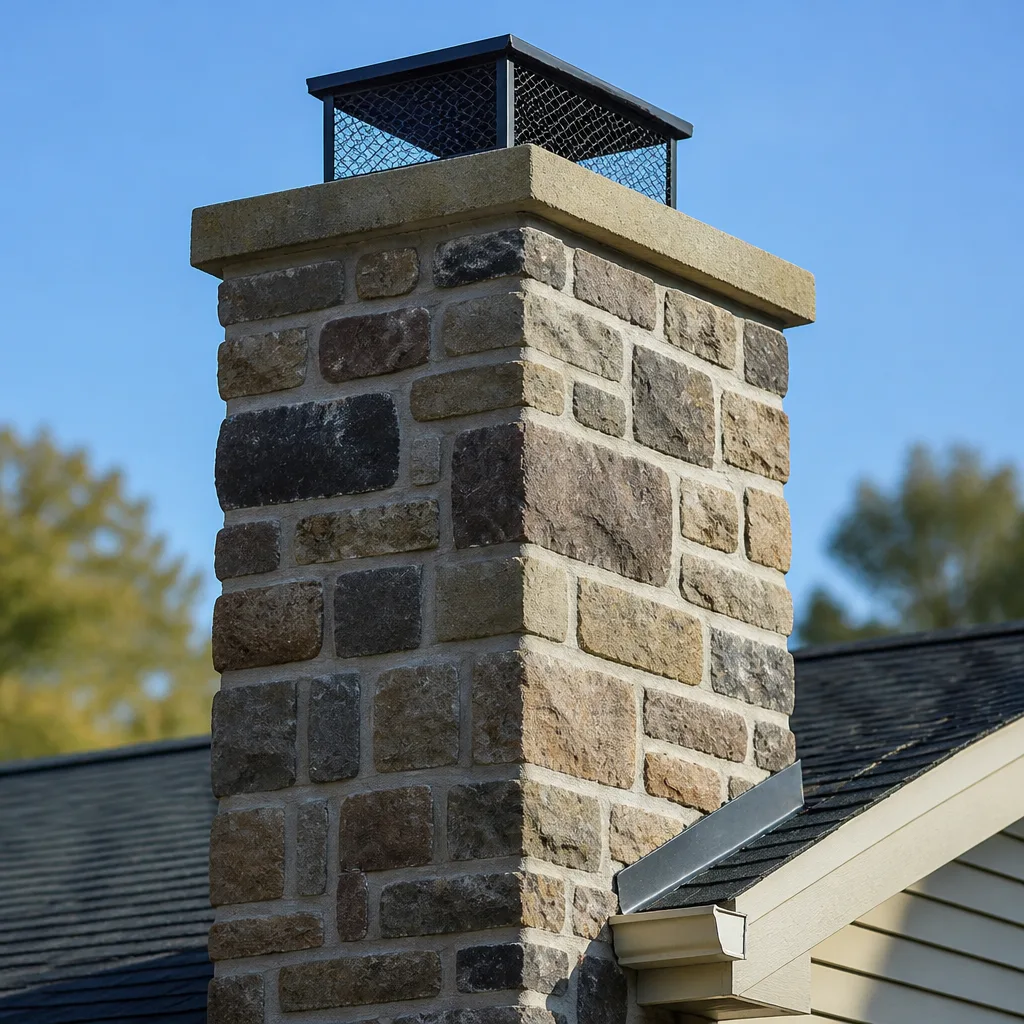 Masonry repair
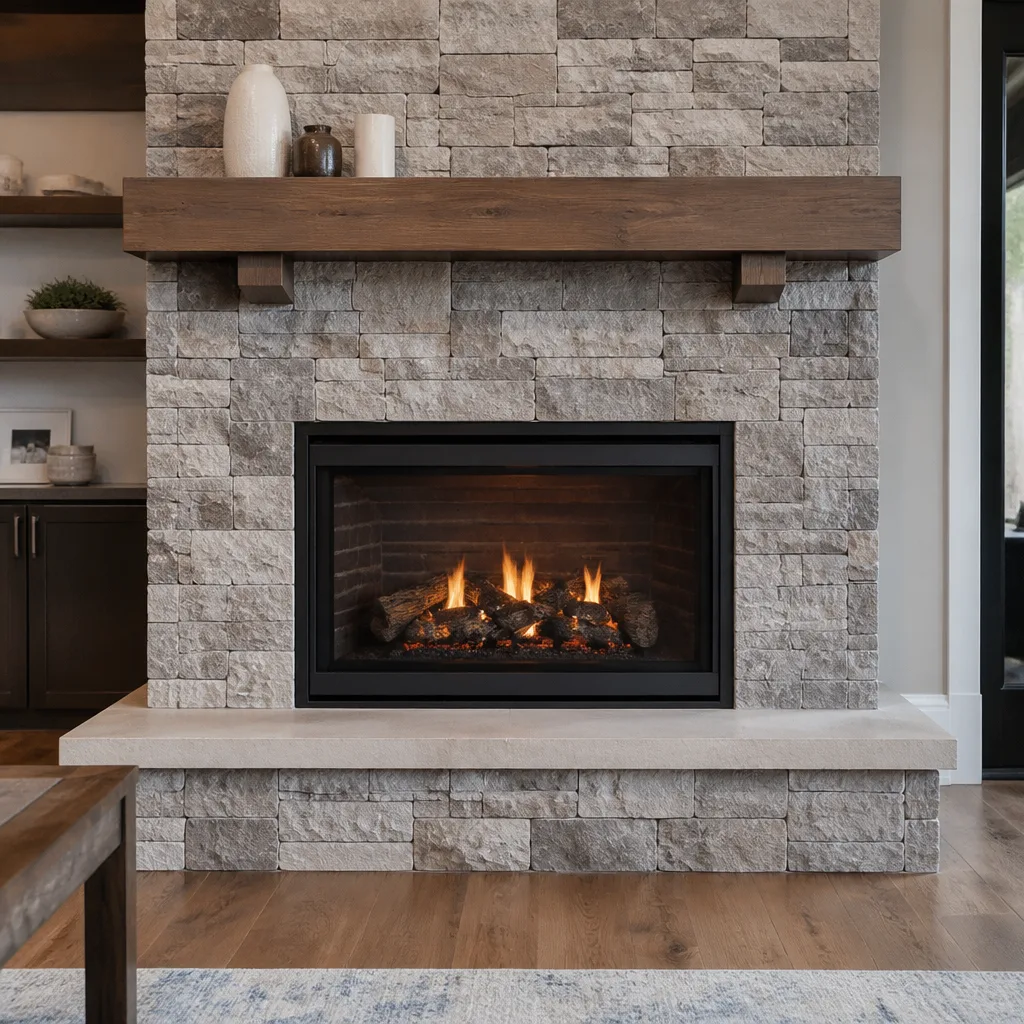 Gas fireplace service
Level 1 sweep and inspection to the NFPA 211 annual standard - flue, crown, cap, and flashing checked and photographed
Chimney sweep logs do not sweep chimneys. They loosen some creosote - which then falls where a brush and vacuum still have to collect it.
Chimney Cleaning Warning Signs: A Mariners Harbor Homeowner’s Reference Guide
Most people assume a chimney problem announces itself with smoke rolling into the living room or a crack you can see from the street. In our experience, the opposite is true. The signals that matter most are quiet: a faint white bloom on the brick, a soot shadow on the firebox face, a draft that reverses on still mornings, a rust streak that wasn’t there last fall. By the time a chimney gives you an obvious complaint, the damage behind it has usually been building for seasons. This Mariners Harbor reference guide translates each warning sign into plain language, explains what it’s actually telling you, and tells you which ones mean stop using the fireplace today and which can wait for a scheduled appointment. Keep it, and you’ll be able to describe what you’re seeing accurately enough that the right tools and materials arrive on the first visit.
Quick Answer
If you’re skimming, here’s the short version: the warning signs that call for a professional chimney inspection in Mariners Harbor are soot or creosote buildup, white efflorescence staining, rust streaks, crumbling mortar joints, a damaged or missing cap, draft reversal, and smoke smell between fires. One sign means stop using the fireplace immediately: any indication of a cracked flue, a liner that has lost its seal, or a burning smell that persists with no fire in the firebox. Everything else should be inspected before your next fire, not ignored. Call (877) 792-7270 for a free estimate.
Styles & brands we work with
- Sweep & inspection
- Caps & crowns
- Flue relining
- Masonry repair
- Gas fireplace service
Table of Contents
- Symptom-to-Cause Reference Table
- Interior Warning Signs Homeowners Overlook
- Exterior Warning Signs: Efflorescence, Rust, and Mortar Recession
- The One Sign That Means Stop Using the Fireplace Immediately
- Draft Reversal and Smoke Problems
- Creosote: The Sign You Can’t See
- How to Describe Warning Signs to a Contractor
- Seasonal and Annual Maintenance Rhythm for Mariners Harbor
Symptom-to-Cause Reference Table
Here’s the reference most homeowners wish they had. The column that matters most is urgency: some signs let you keep burning while you wait for an appointment, and some don’t. When a chimney inspection turns up the causes behind any of these symptoms, we walk the homeowner through what we found with photos and recommend only the work the chimney actually needs. If a repair is genuinely urgent, we say so. If it can wait, we say that too.
- White, chalky staining on exterior brick or mortar: efflorescence, meaning water is moving through the masonry. Urgency: high. Left alone, water reaches the liner and speeds its failure.
- Rust streaks on the firebox or metal components: water intrusion that has reached metal parts. Urgency: high.
- Crumbling or receding mortar joints: freeze-thaw movement and moisture damage. Urgency: high.
- Soot streaks or a dark shadow on the firebox face: poor draft or a blocked flue. Urgency: moderate. Schedule before the next fire.
- Smoke smell between fires: draft reversal or creosote buildup. Urgency: moderate to high.
- Visible creosote glaze on the flue walls: glazed creosote, the most flammable deposit. Urgency: high. Stop burning until swept.
- Cracked or missing chimney cap: water, animals, and debris entering the flue. Urgency: moderate.
- Smoke spilling into the room: blocked flue or pressure problem. Urgency: high.
- Crumbling, detached crown pieces on the roof: crown failure. Urgency: high.
- Any sign of a cracked liner or no liner at all: Urgency: stop using immediately.
One note for homeowners who have recently bought a house in Mariners Harbor. A chimney that looks fine from the sidewalk can still be carrying the previous owner’s deferred maintenance. A professional inspection is the honest starting point before you light the first fire.
Interior Warning Signs Homeowners Overlook
The most missed warning signs are inside, and they’re the most reliable ones because they show up in the firebox. Soot on the firebox face is one of the clearest. If the front of the firebox has dark streaks running up its edges rather than even, darkening-over-time soot, the chimney is telling you the smoke isn’t going up the way it should. Poor draft, a partially blocked flue, or an undersized flue for a large firebox can all cause this. It also means smoke is drifting into the room instead of up the chimney.
Smoke smell between fires deserves its own paragraph. Chimneys aren’t designed to draft when there’s no fire; they draft because heat rising up the flue pulls air in from the room. On a cool, still morning, a chimney that hasn’t warmed up can reverse and push cold air and stale smoke odor down into the living room. If that smell is mild and only appears in transitional seasons, it’s usually a draft issue. If it appears with no fire and no temperature change, and if it smells acrid or chemical rather than faintly smoky, treat it as a habit to get inspected soon.
Other interior signs worth watching:
- Smoke rolling out of the fireplace opening when you first light a fire, then clearing up later. That’s a cold-flue draft issue, not necessarily a blockage, but it deserves a look.
- A soot stain on the wall above the fireplace opening. Smoke is finding a seam or a gap it shouldn’t be finding.
- Soot deposits visible on the face of the firebox that get worse with each fire.
- A draft that’s stronger or weaker than it used to be.
These signs are the reason we inspect before we recommend. If the inside tells a consistent story, it usually points to a small number of causes that we can confirm quickly.
Exterior Warning Signs: Efflorescence, Rust, and Mortar Recession
Efflorescence is the white, chalky staining you sometimes see on brick and mortar. It’s not cosmetic. It means water is moving through the masonry, dissolving salts from the brick, and depositing them on the surface as the water evaporates. The stain is the visible evidence of a moisture path, and that path usually runs past the liner. Moisture in masonry combined with freeze-thaw cycles is the fastest way to undermine a chimney’s structural integrity without a single fire ever being built.
Rust streaks are the same story in a different color. Rust means moisture has reached the metal parts of the chimney, typically the firebox grate, the damper, or a metal liner. Once a metal component is carrying rust, its life span is shortened, and the liner is often the first expensive thing to go. On a chimney that hasn’t been inspected in several years, rust streaks are the sign most likely to hide a much larger problem.
Mortar joint recession is the slow, quiet one. Mortar between bricks erodes under repeated wetting and drying, and when the joints recede, the chimney loses the structural layer that holds the bricks in place. Receding joints also invite water in faster, which makes efflorescence worse and pushes rust along. Our approach is to address the water entry point first, then the mortar.
What to look for from the ground without climbing a ladder:
- White bloom or staining on the chimney’s brick or mortar.
- Rust-colored streaks on the chimney’s metal components.
- Crumbling or receding mortar lines visible with binoculars from the yard.
- A missing, cracked, or loose chimney cap.
- Any visible crack in the crown or the masonry.
If you see any of these from the ground, that’s enough to justify a professional look. Do not climb onto the roof to investigate; roof work is dangerous and the inspection tells you more anyway.
The One Sign That Means Stop Using the Fireplace Immediately
Of all the signs in this guide, one is an immediate stop: any indication that the flue liner is cracked, missing, or no longer sealed. That sign means stop using the fireplace right now, not after the next fire, not after the next sweep. A liner is what keeps combustion gases inside the chimney and out of your living space. If it’s compromised, carbon monoxide can travel into the home with no obvious warning, and the fire is happening inside a chimney that can no longer contain it.
Signs that point to a liner problem include:
- Visible cracks, gaps, or missing sections in the flue when viewed during an inspection.
- Creosote that has glazed the flue walls, which is highly flammable and sits directly against the masonry.
- A rust streak on the firebox or metal liner that suggests moisture has been working on the metal.
- A chimney smell that appears with no fire, which can mean gases are moving the wrong way.
If you’re seeing any of the above, leave the fireplace cold and book an inspection. If a liner needs repair, HeatShield resurfacing is an option many homeowners don’t know exists. It restores a deteriorating flue from the inside without a full liner replacement, and we’ve found it’s often the right answer where older masonry chimneys in Mariners Harbor still have sound structure underneath.
For everything else in this guide, the correct response is: schedule an appointment, and while you wait, don’t light a fire if the chimney is producing smoke or smell indoors. Burning season in Mariners Harbor runs roughly from October through March. Booking in late summer gives you room to schedule before the first cold snap, not during it.
Draft Reversal and Smoke Problems
Draft reversal happens when a chimney that should be pulling air up instead pushes it down. It’s often visible as a puff of smoke that rolls out of the fireplace opening right after lighting, before it finally catches and starts drafting. In mild weather it’s a nuisance. In cold weather it’s a sign the flue isn’t warming up enough to draft properly, which can be caused by a flue that’s too large for the firebox, a chimney that’s too short, or a flue that’s lost its insulation.
Draft issues are also common in homes where newer appliances are exhausting air out of the house. A high-CFM kitchen hood or a large bathroom fan can cause a house-wide pressure imbalance, and the chimney becomes the path of least resistance. This is where proper venting and draft correction matter beyond basic sweeping, and it’s why we stock Famco and Copperfield product lines: those are the components that correct real draft problems rather than just masking them with a taller chimney pot.
When to take draft reversal seriously:
- Smoke rolls into the room every time you light a fire, not just on cold starts.
- The smoke smell persists after the fire has been out for more than a day.
- The firebox face is collecting soot continuously.
- You notice the smell concentrated near the fireplace or along the chimney wall.
Draft problems don’t fix themselves. They’re usually a sign that the chimney system’s proportions or venting need attention, and those are confirmed with inspection, not guessed at. If you’re not sure whether your chimney is drafting correctly, that’s the exact point at which an inspection is worth the cost of finding out. Call (877) 792-7270 to book a free estimate.
Creosote: The Sign You Can’t See
Creosote is the deposit that forms inside a chimney from burning wood, and it’s the leading cause of chimney fires. It starts as a light, flaky layer that a routine sweep removes easily. Left in place, it hardens into a brittle glaze that is the most flammable form and the hardest to remove. By the time creosote has staged this far, the correct response is to stop burning and get the chimney swept professionally. There’s no safe DIY path here: the glazed stage resists brushes and requires specialized equipment.
How much creosote builds up depends on three things: how well the wood is seasoned, how well the fire is burning, and how much air the flue is drawing. Wet wood and smoldering, air-starved fires produce far more creosote than hot fires in dry wood. A Mariners Harbor homeowner who burns occasionally and a homeowner who heats with wood all winter have very different deposit timelines, and that’s why “once a year” isn’t always the right answer for everyone.
What you can do to slow creosote formation:
- Burn only properly seasoned firewood, ideally split and dried for at least a year.
- Don’t smother a fire; leave it room to draw.
- Keep the firebox from overloading; a small, hot fire is cleaner than a large, smoldering one.
- Sweep on a schedule driven by how much you burn, not just the calendar.
- If you see glazed or glossy deposits inside the flue during an inspection, stop burning until they’re removed.
We stock contractor-grade materials for a reason. A sweep that cleans the flue but never checks the liner below the creosote layer is doing half the job. A complete chimney sweep includes the diagnostic step of confirming what the deposit was hiding. That’s also where DuraFlex flexible liner systems come in, when the connection underneath needs more than a clean flue.
How to Describe Warning Signs to a Contractor
The quality of a first visit depends heavily on the quality of the first phone call. A homeowner who can describe what they’re seeing accurately helps us arrive with the right tools and materials, which means fewer trips, less waiting, and a more accurate estimate from the start. It also means the sweep is booked with the right scope, not a generic one.
Here’s what to have ready when you call:
- Where the sign appears: exterior brick, mortar joints, firebox face, inside the flue (if visible), or near the chimney cap.
- What it looks like: white bloom, rust streak, dark soot shadow, cracks, loose pieces, or a persistent smell.
- When it appeared: this season, gradually over several years, or immediately after a storm.
- How the fireplace behaves: does it draft normally, reverse on first light, or smell between fires?
- What type of fuel you burn: wood, gas, or a mix, and roughly how often.
- Anything that has changed: a new appliance, a new cap, or repair work done by someone else.
That last point matters more than homeowners expect. If another contractor has already worked on the system and the problem has come back, that’s a signal to look at the cause, not just the symptom. We see it often enough in Mariners Harbor that we always ask.
When we arrive, our technicians have up to 8 years of experience and the work starts with inspection. We don’t recommend repairs until we’ve confirmed them, and we don’t sell a full liner replacement when HeatShield flue resurfacing will get the chimney back to code. That one capability is the difference between a sweep that cleans and a sweep that can restore.
Seasonal and Annual Maintenance Rhythm for Mariners Harbor
The most reliable warning sign is the one you don’t get because the system was maintained. A simple annual rhythm goes a long way in a Mariners Harbor home, and it’s not complicated. Schedule an inspection once a year, and schedule the sweep based on how much you burn. If you heat primarily with wood, that’s a once-a-year sweep. If you use the fireplace a handful of times a season, an inspection every year and a sweep every second year is often the right balance.
The seasonal rhythm that works well:
- Late summer: book the inspection and sweep before the first fire. This is when scheduling has room and repairs can be finished without a rush.
- Early fall: check the chimney cap and crown from the ground and book any cap and crown repair. A cap is a small item; a missing one is the reason a lot of chimney damage starts.
- During the season: pay attention to draft, soot on the firebox, and any smoke smell between fires. Note the date and conditions when it appears.
- Early spring: once the last fire is out, have the chimney cleaned again if you’ve burned heavily. Summer is the wet season for many climates, and a clean flue dries faster than a sooty one.
Neglect climbs the ladder of cost. A cleaning schedule keeps you at the bottom of the ladder, where things are simple and inexpensive. The most common escalation is a chimney cap that wasn’t replaced, followed by water intrusion, rust streaks, and eventually an efflorescence stain that’s the sign of a masonry problem rather than a surface one. That path is the reason we always ask about the cap during any inspection. A chimney cap and crown are the cheapest forms of long-term protection you can put on the system.
What actually happens if you skip it for several years differs by chimney. A lightly used chimney may only need a sweep. A chimney that’s been open to the weather for a decade typically has efflorescence, mortar recession, and a liner that’s past its service life. The one thing that’s consistent across both cases is that inspection is the only way to find out which category you’re in. That is the whole point of a maintenance rhythm.
Common Mistakes to Avoid
- Ignoring efflorescence because it looks cosmetic. White staining is the visible sign of a moisture path through the masonry, and it will shorten the liner’s life whether or not a fire is ever burned.
- Assuming a chimney that looks fine from the street is fine inside. Interior signs like a soot shadow on the firebox or smoke smell between fires rarely show on the exterior, and they’re the ones most likely to indicate a draft or liner problem.
- Skipping the sweep because the last fire burned cleanly. A clean-burning fire still produces creosote, and the glazed stage is invisible from outside the flue.
- Not replacing a damaged chimney cap. The cap is small and cheap; the water intrusion it prevents is neither.
- Waiting to book until the first cold night. Scheduling is easier in the off-season, and repairs can be scheduled with room rather than squeezed between fires.
- Describing a symptom vaguely on the phone. “It smells smoky” and “the smell appears with no fire on still mornings” point to different causes and different first-visit tools.
- Calling a generalist for a chimney problem. Chimney systems are their own trade, and a generalist sweep may clean the flue without identifying the liner, cap, or crown issues that got the chimney into trouble in the first place.
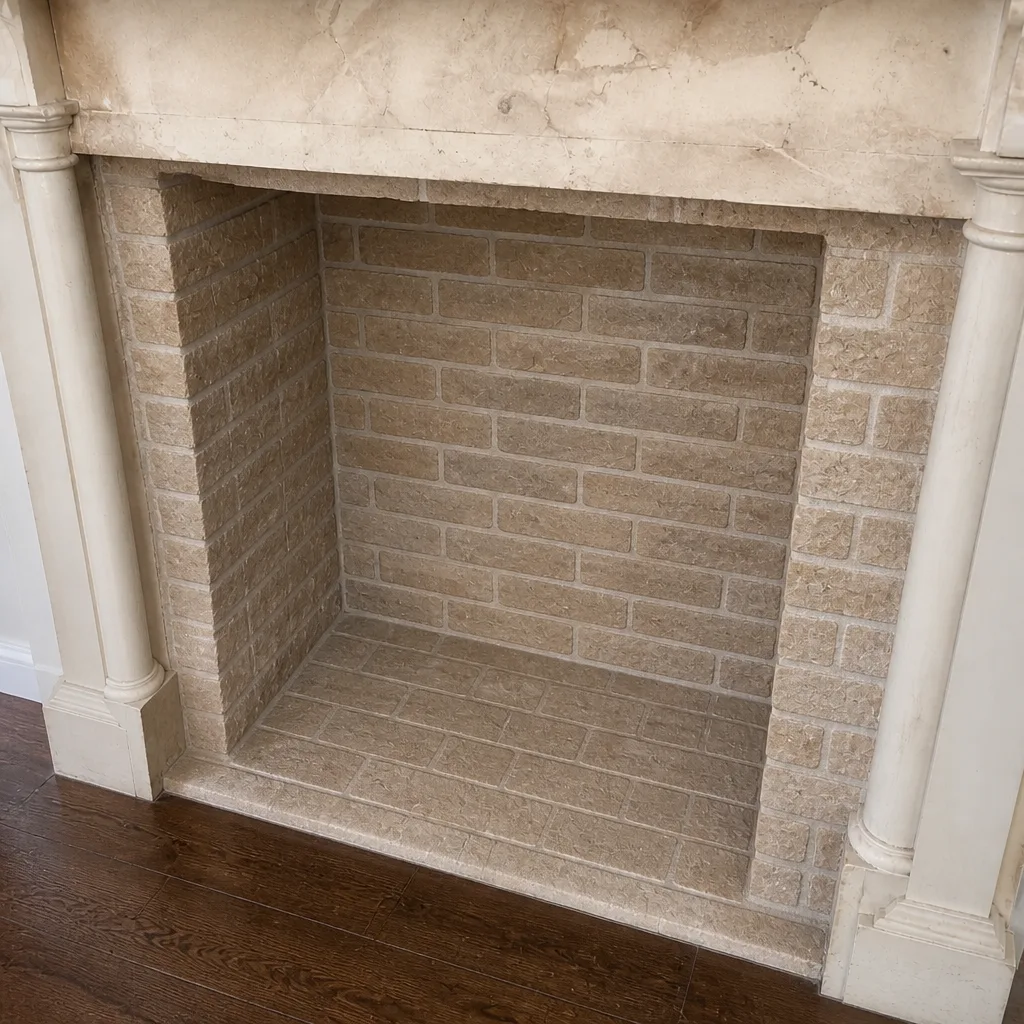
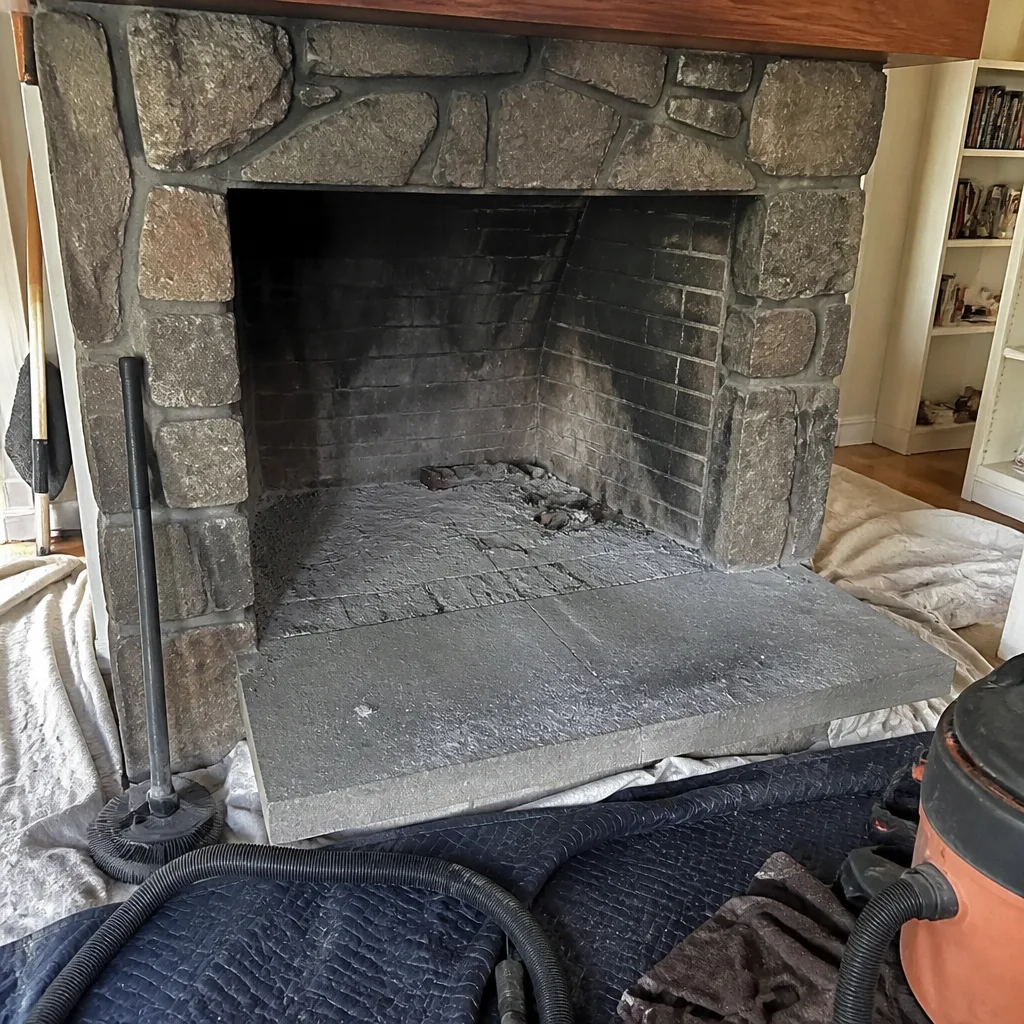
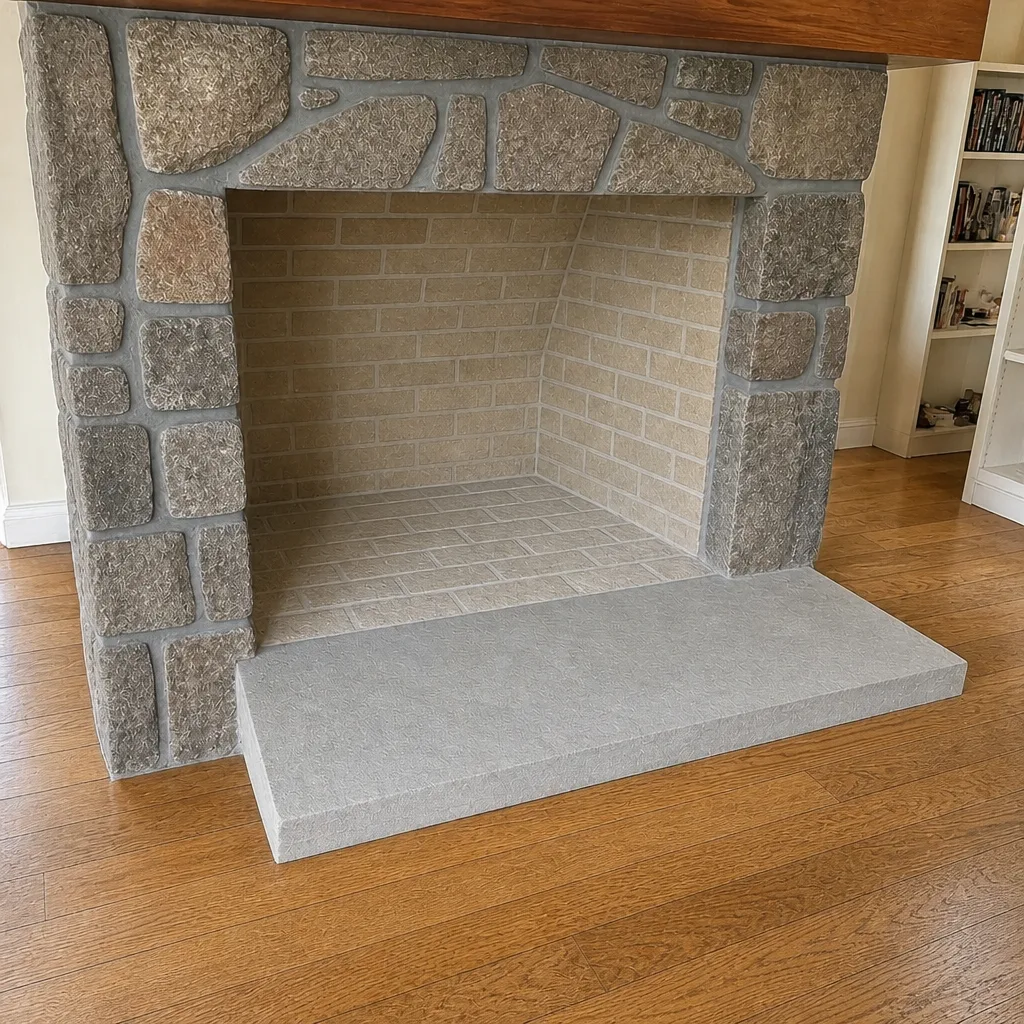
See the difference
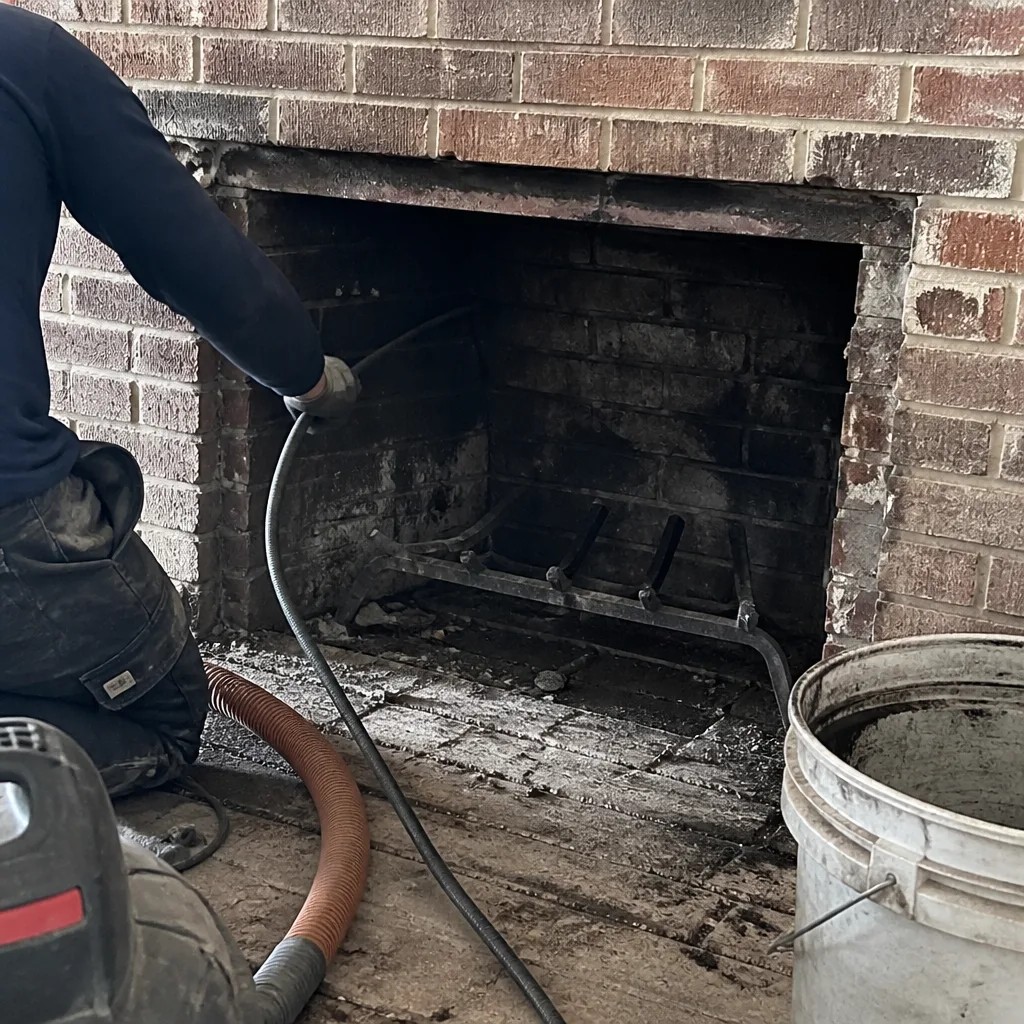 Before
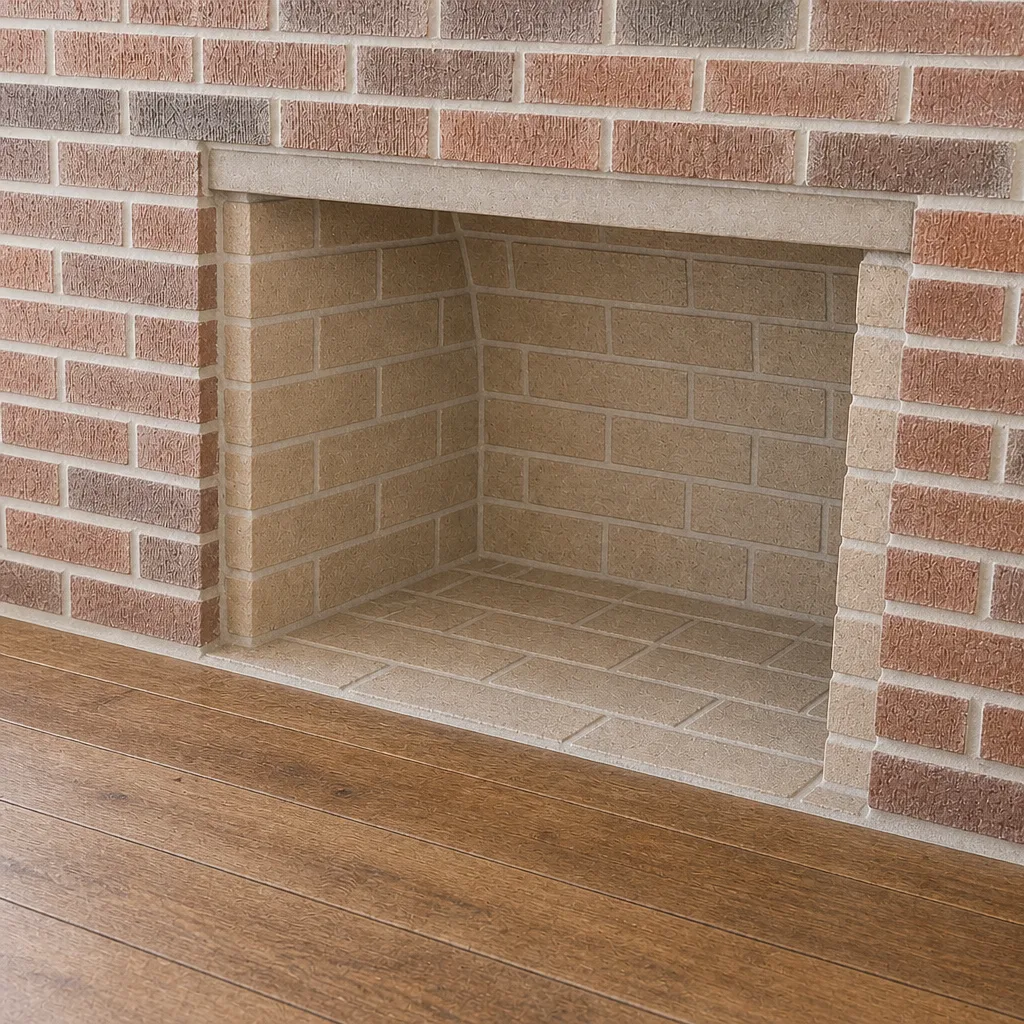 After
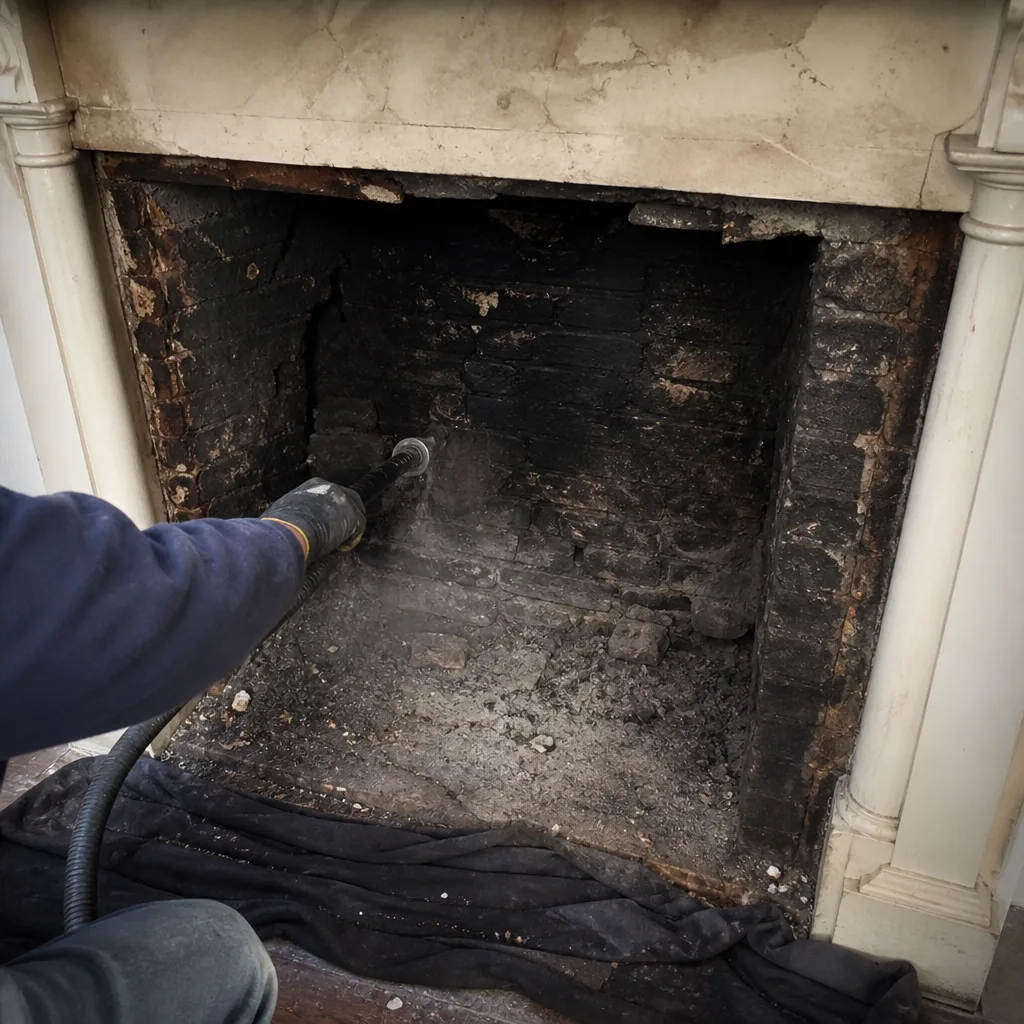 Before
 After
 Before
 After
When to Call a Professional
Call a professional if any of these are true: you’ve moved into a home and don’t know when the chimney was last inspected, you’ve noticed efflorescence, rust streaks, or receding mortar, you smell smoke between fires, smoke rolls into the room when you light a fire, or your chimney cap is missing, damaged, or loose. Call immediately if you suspect a compromised liner. Chimney Sweep Mariners Harbor offers free estimates in Mariners Harbor and works with professional-grade products from DuraFlex, HeatShield, Gelco, Olympia Chimney, Famco, and Copperfield, so the repair materials aren’t being sourced from a big-box shelf. Call (877) 792-7270. We answer 24/7. Fast dispatch from 7am to 7pm, Sunday through Friday. One call covers cleaning, inspection, and repair.
Frequently Asked Questions
The most commonly missed signs are efflorescence (white chalky staining on exterior masonry), soot shadows on the firebox face, and smoke smell between fires. All three are visible or smellable without climbing onto the roof, and all three commonly point to water intrusion, poor draft, or a compromised liner. If you’re seeing any of these, schedule a professional inspection rather than waiting.
Chimney sweeping depends on how much you burn. If you heat primarily with wood, once a year is the right cadence. If you use the fireplace occasionally, an annual inspection with a sweep every second year is often the right balance. When creosote reaches the glazed stage, the chimney needs sweeping before the next fire, regardless of how recently it was serviced. Call (877) 792-7270 for an exact quote; estimates are free.
Not always. A cracked or missing liner does require repair, but a deteriorated flue with sound structure underneath can often be restored with HeatShield resurfacing rather than replaced with a full liner. The inspection determines which option is right. We don’t recommend a full replacement unless the inspection confirms the liner can’t be saved.
The stain itself isn’t dangerous, but what it represents is. Efflorescence means water is moving through the masonry, and that moisture is what accelerates liner failure and mortar breakdown. Left unaddressed, the moisture path typically causes the most expensive chimney repairs. Get it inspected before you light the next fire. Call (877) 792-7270 for a free estimate.
The consequences depend on the chimney, but the pattern is consistent: creosote accumulates, a chimney cap fails, water enters the masonry, the liner weakens, and repairs escalate from a sweep to a liner repair or structural work. If you’re not sure of the chimney’s condition, an inspection is the only way to know whether you’re looking at a small appointment or a larger project. Estimates are free – call (877) 792-7270.
In most cases yes, unless the inspection confirms a compromised flue, or unless smoke or a persistent smell is entering the room. The one stop sign is any sign of a cracked or missing liner: stop using the fireplace and book an inspection right away. Call (877) 792-7270. We answer 24/7. A call outside dispatch hours is booked into the next opening, Sunday through Friday, 7am to 7pm.
The Bottom Line
Most chimney problems give you warnings long before they become dangerous. Efflorescence, rust streaks, receding mortar, soot shadows on the firebox, smoke smell between fires, and draft reversal are all signals with known causes and clear responses. The single sign that means stop using the fireplace immediately is any indication of a compromised liner; everything else should be inspected before the next fire, not ignored through the winter. Book the inspection before burning season starts, describe what you’re seeing accurately, and let the inspection decide the scope of the work. The written estimate sets the final price, and the estimate itself is free. Call (877) 792-7270 to schedule. One call covers cleaning, inspection, and repair.
Written by the team at Chimney Sweep Mariners Harbor.
Whether you’re scheduling a routine chimney sweep, booking a full inspection, or learning more about fireplace repair and chimney cap & crown work, starting with Chimney Sweep Mariners Harbor means one contractor covers cleaning, inspection, and repair.