
Last updated November 23, 2026
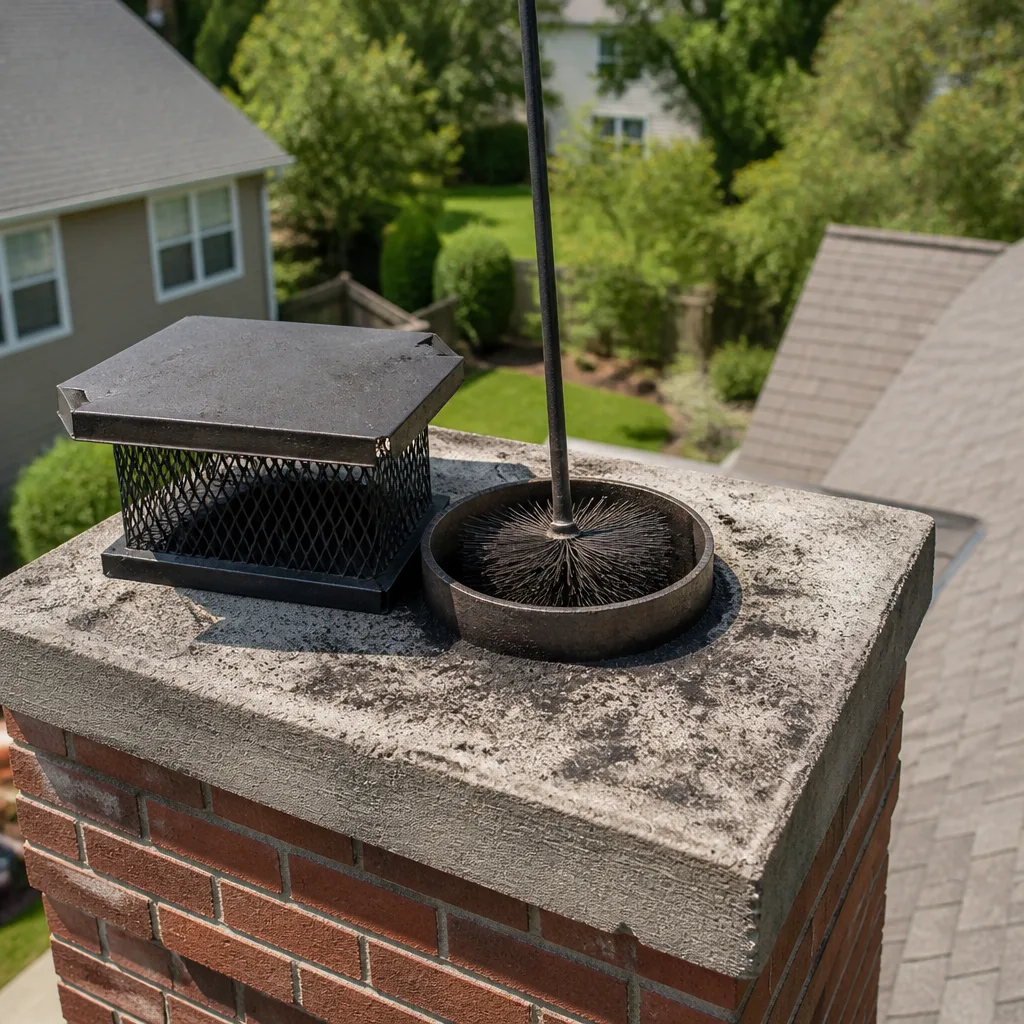 Sweep & inspection
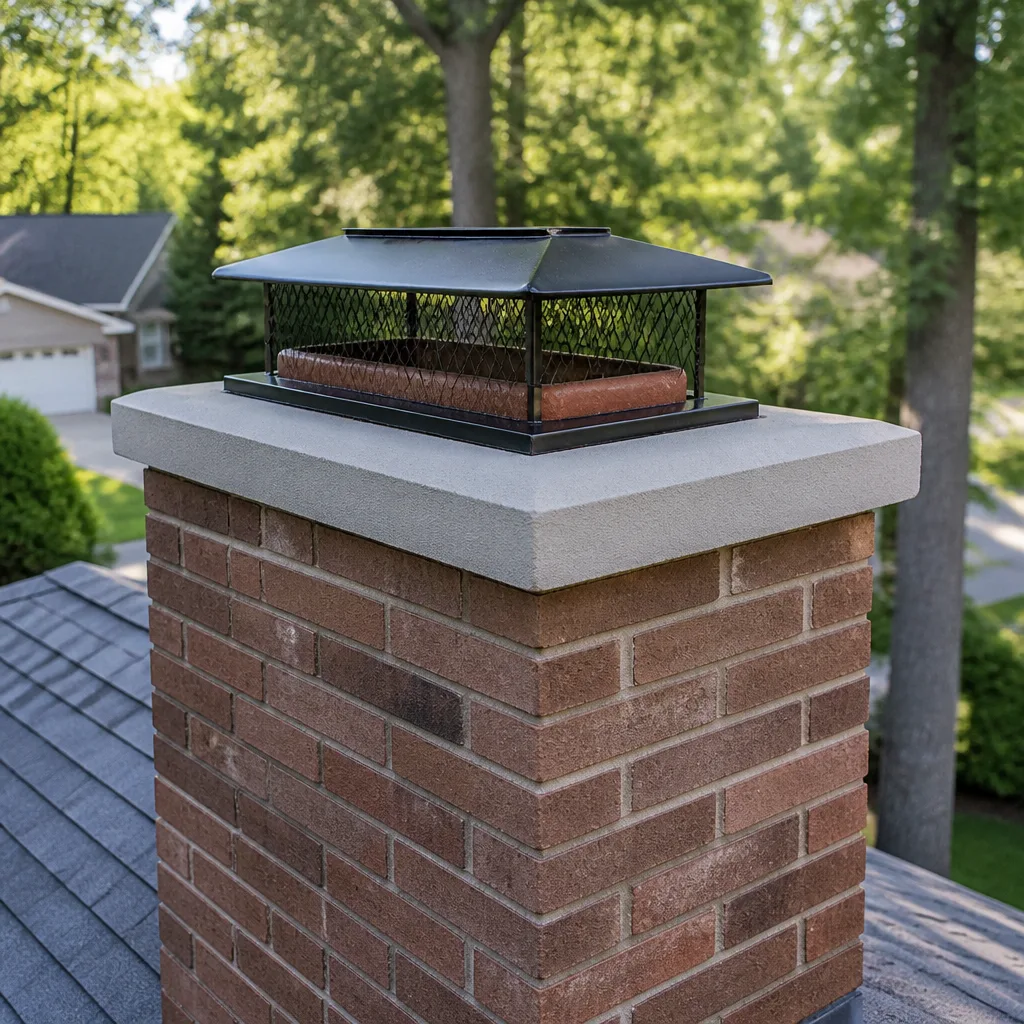 Caps & crowns
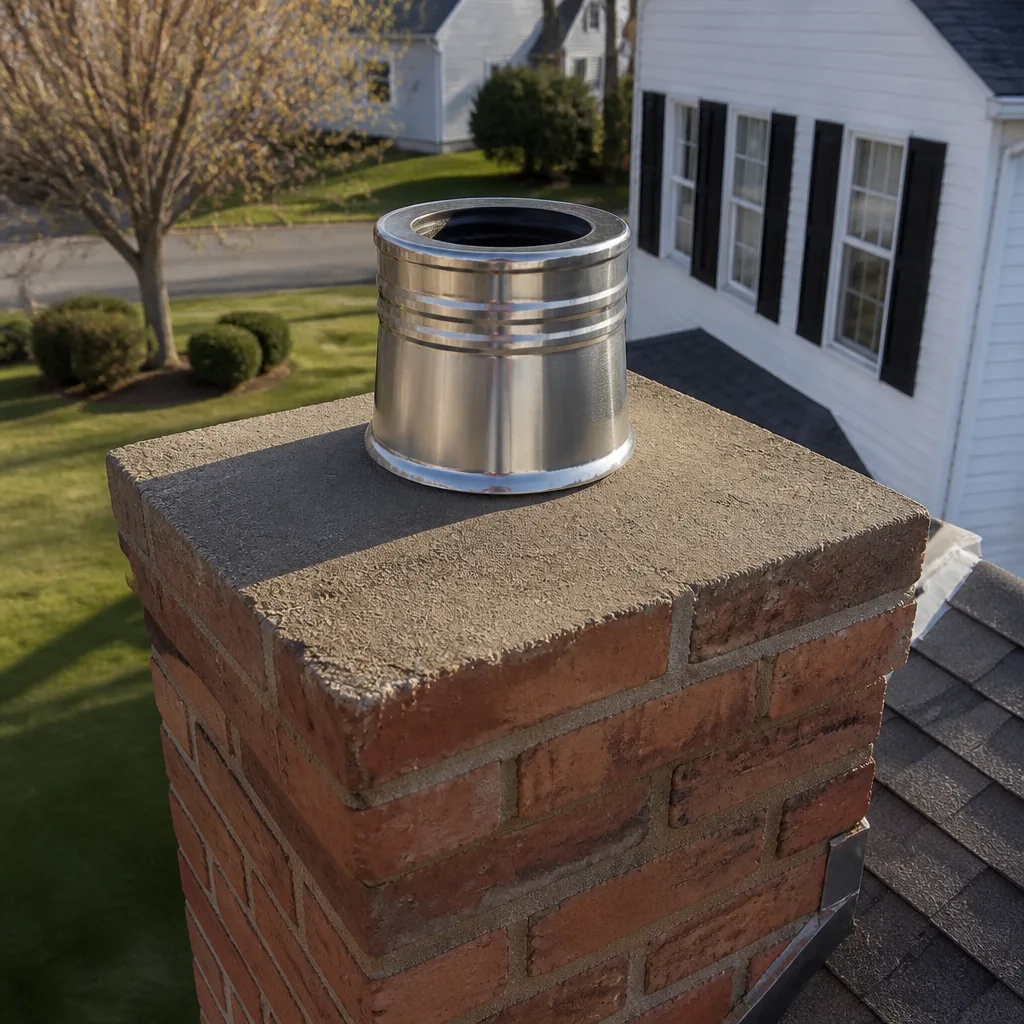 Flue relining
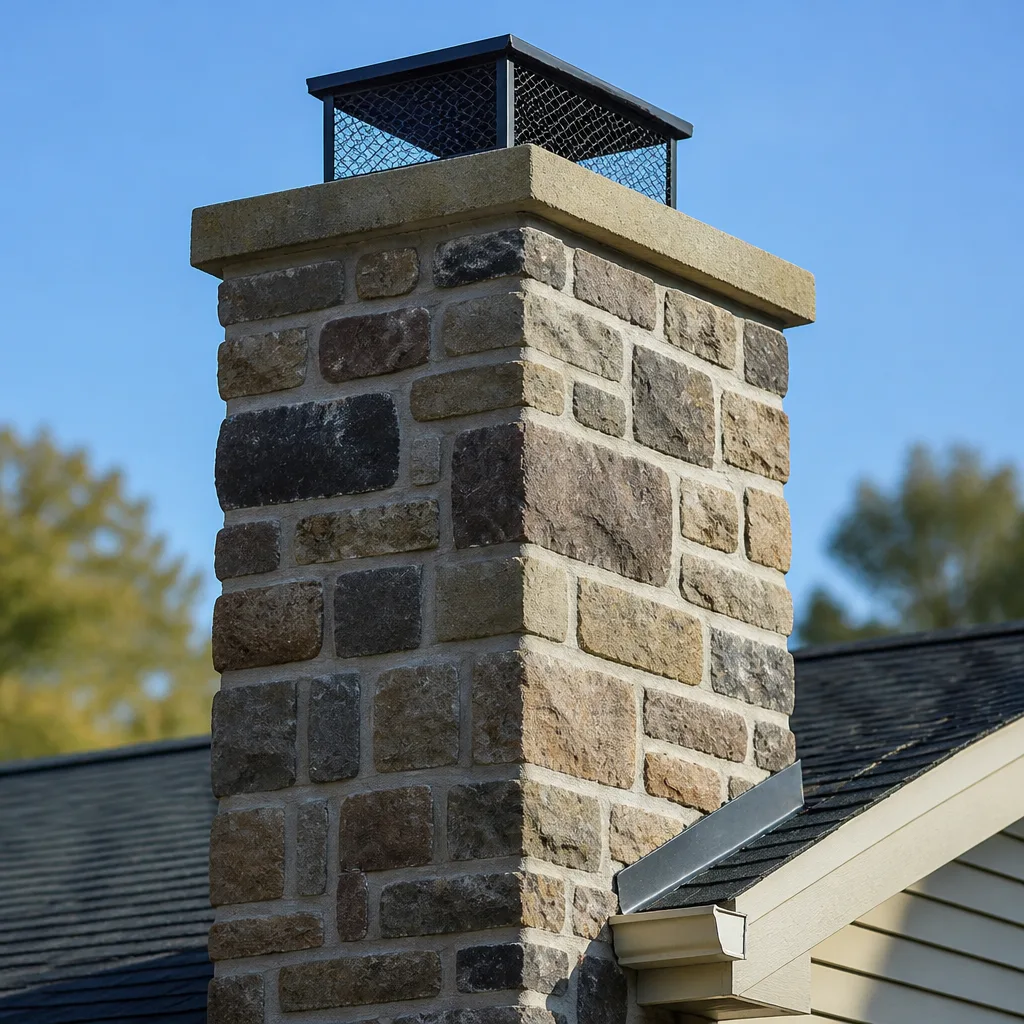 Masonry repair
 Gas fireplace service
Level 1 sweep and inspection to the NFPA 211 annual standard - flue, crown, cap, and flashing checked and photographed
Chimney sweep logs do not sweep chimneys. They loosen some creosote - which then falls where a brush and vacuum still have to collect it.
Chimney Sweep Maintenance Checklist for Mariners Harbor Homeowners
Most chimney checklists tell you to “check the cap” and “look for creosote.” That advice is fine as far as it goes, and it goes almost nowhere. A galvanized cap a short walk from tidal water can corrode from the inside out and pass a visual inspection right up until the day it fails. The same goes for a flue liner that looks intact from the firebox but has cracked along a seam you’ll never see without a camera. Mariners Harbor chimneys fail in specific, predictable ways: mortar erodes, liners crack from thermal cycling, and caps and crowns take weather from every direction. This guide is a task-by-task checklist built around those actual failure points, organized by component, so you know what to look at, what to leave alone, and when to pick up the phone.
Quick Answer
A chimney maintenance checklist for Mariners Harbor homes should cover six components in order: cap, crown, flashing, liner, smoke chamber, and firebox. Homeowners can self-assess the exterior three (cap, crown, flashing) and the firebox visually, but the liner and smoke chamber need a technician with a camera or probe. Sweep annually if you burn wood regularly, and inspect every year regardless of fuel type.
Styles & brands we work with
- Sweep & inspection
- Caps & crowns
- Flue relining
- Masonry repair
- Gas fireplace service
Table of Contents
- Why Chimneys Age Differently in Mariners Harbor
- The Component-by-Component Checklist
- Cap and Crown: The Top of the System
- Flashing and Exterior Masonry
- The Flue Liner: What You Can’t See
- Smoke Chamber and Firebox
- Self-Assessment vs. Technician-Only Tasks
- Maintenance Intervals for Mariners Harbor’s Climate
- Red-Flag Conditions That Need Immediate Attention
- How to Document Your Maintenance History
Why Chimneys Age Differently in Mariners Harbor
Mariners Harbor sits on Staten Island’s north shore, and the chimneys here live through a specific combination of stresses that shapes how they wear. The freeze-thaw cycle is the big one. Each winter, moisture works into mortar joints and brick pores, freezes overnight, expands, and thaws by afternoon. That cycle repeats dozens of times between November and March. Every expansion pushes joints slightly wider. Over a few seasons, hairline cracks turn into visible gaps, and the crown at the very top of the chimney is often the first thing to go.
The proximity to tidal water adds a second layer. You don’t need to live on the shoreline for this to matter. Airborne moisture, airborne particulate, and the general humidity of a neighborhood built around working waterfront all accelerate corrosion on metal components. Galvanized steel caps and spark arrestors are the most vulnerable because corrosion starts on the underside, where rain sits and air doesn’t circulate. A cap can look solid from the driveway and be paper-thin underneath.
Then there’s the housing stock. Mariners Harbor has a lot of two- and three-family homes, older rowhouses, and mid-century single-families. Many have masonry chimneys that were built for coal and later converted to wood. That conversion matters, because a flue sized for a coal stove isn’t always the right size for a modern fireplace insert or a wood stove. Undersized flues draft poorly and build creosote faster. If you bought a home here in the last several years and no one has looked inside the chimney since before you moved in, an inspection is the honest starting point. That’s the whole idea behind chimney sweep work done right: we inspect before we recommend.
None of this is cause for alarm. It’s cause for a checklist that actually matches the local climate instead of a generic one written for a desert town or a mountain cabin. The rest of this guide is that checklist.
The Component-by-Component Checklist
Here’s the full list, organized from the top of the chimney down. Print it, save it, or paste it into your phone notes. Each item gets its own detail section below.
- Cap and spark arrestor: Check for corrosion from the inside, loose fasteners, and blocked mesh. This is the most weather-exposed part of the system.
- Crown: Look for cracks, spalling, or separation where the crown meets the flue tile. The crown sheds water away from the whole chimney.
- Flashing: Inspect the metal where the chimney meets the roof for lifted edges, failed sealant, or gaps that let water in.
- Flue liner: Professional inspection required. Look (via camera) for cracked tiles, gaps in mortar joints, or a failing stainless liner.
- Smoke chamber: Professional inspection required. Check for rough surfaces and gaps that catch creosote and impede draft.
- Firebox: Homeowner can assess visually. Look for cracked firebrick, missing mortar joints, or a firebox that no longer holds its shape.
- Damper: Open and close it by hand. It should move freely and seal flat against its seat.
- Creosote level: Professional assessment. Glazed, tar-like creosote (Stage 3) is a fire hazard and won’t come off with a brush alone.
That’s the whole system. If you can walk through this list every year and check off each item honestly, you’ll catch most problems before they become expensive. The key word is “honestly.” Plenty of homeowners check “cap” because they looked up and saw it. Look at the underside, reach it with a gloved hand if it’s safe to, and check the fasteners. That’s a real check.
Cap and Crown: The Top of the System
Start at the top. The cap keeps rain, animals, and sparks out of the flue, and the crown is the concrete or masonry slab that sheds water off the chimney’s top edge. Together they take more punishment than any other part of the chimney. In Mariners Harbor, both wear from weather coming off the water and from the freeze-thaw cycle.
What to check on the cap
- Underside corrosion: From the ground, use binoculars to inspect the underside of the top plate. If you see rust stains streaking down the chimney face, corrosion is underway.
- Fasteners: Caps are held by screws or bolts that work loose over time. A cap that shifts in the wind is no longer doing its job.
- Mesh condition: Spark arrestor mesh clogs with soot and debris. Blocked mesh restricts draft and can push smoke back into the house.
- Animal entry: If you see nests, droppings, or hear scratching, the cap has failed its second job.
What to check on the crown
- Cracks: Any crack wider than a hairline lets water into the masonry below. Even a hairline crack grows through freeze-thaw.
- Spalling: Flaking or crumbling concrete at the crown edge means water has already gotten inside.
- Separation: The crown should slope slightly away from the flue tile. If it’s flat or sloping toward the flue, water pools right where it does the most damage.
Caps and crowns are the first components to fail and the least expensive to fix when caught early. Once water gets past a failed crown and saturates the masonry below, you’re looking at repointing joints or rebuilding the top courses. We install and repair both using contractor-grade components from chimney cap & crown product lines like Gelco and Olympia Chimney, so the repair is built to the same standard as the original build. Manufacturer-backed materials matter here, because a cheap cap from a hardware store will corrode just as fast as the one it’s replacing.
Flashing and Exterior Masonry
Flashing is the metal that seals the gap between your chimney and the roof. When it fails, water runs straight down into the attic, the ceiling, or the wall cavities. Most water intrusion that gets blamed on “a leaky roof” starts at the flashing.
How to inspect flashing
- Look at the base of the chimney where it meets the roof, from a safe vantage point on the ground or from an interior window.
- Check for lifted or curled edges in the metal.
- Look for cracked or peeling sealant along the top edge of the flashing.
- Check the roof and attic for water staining near the chimney chase.
- If you can safely see the flashing up close, check for gaps between the flashing and the masonry.
That last step is the one most homeowners skip. A flashing that looks tight from ten feet away can have a small gap right at the masonry seam. Water doesn’t need a large opening. Any gap at all is enough during a steady rain.
Exterior masonry
While you’re looking up, check the mortar joints. Healthy mortar is firm and slightly recessed between the bricks. Failing mortar is soft, sandy, or missing. If you can scrape it away with a screwdriver with almost no pressure, it needs repointing. In Mariners Harbor, the sun-facing side of a chimney often weathers faster than the shaded side, so compare all four faces before deciding the chimney is fine. Eroded mortar is the most common structural problem we find on older homes here, and it’s also the most preventable, since a repointing job every couple of decades keeps water out of the wall for good.
The Flue Liner: What You Can’t See
The liner is the most important part of the chimney you’ll never see, and it’s where a homeowner checklist runs out of road. A clay tile liner can crack along its length without any visible sign from the firebox. A stainless steel liner can have separated seams. Neither problem shows up on a visual inspection from below. This is why liner checks require a camera or a probe, and why a visual-only inspection isn’t worth much.
How liners fail in Mariners Harbor
Thermal cycling is the main culprit. Your flue gets hot during a fire, cools down afterward, and repeats that cycle many times a season. Each heating and cooling cycle causes slight expansion and contraction. Clay tile liners are brittle and don’t flex, so over years, hairline cracks form and widen. Once a liner cracks, hot gases and moisture reach the masonry around it. That’s a fire pathway and a carbon monoxide pathway at the same time.
Undersized flues make it worse. If a home was converted from coal to wood, or a wood fireplace has been fitted with a modern insert, the original flue may be too large or too small for the appliance. Poor draft means slower combustion, which means more creosote, which means more thermal stress on the liner. It’s a chain reaction.
What can be done about it
The traditional fix for a failing liner is a full reline. That’s sometimes the right answer. But a cracked clay tile in otherwise sound condition is often a candidate for liner resurfacing instead, which extends the life of the existing flue without a full tear-out. We’re set up for HeatShield resurfacing work, which many single-service sweeps simply can’t offer. When a full reline is the right call, we install DuraFlex flexible liner systems, which deliver modern, code-compliant venting in a form factor that fits many existing chases.
This is also the point where we need to be direct about safety. A cracked liner can leak carbon monoxide into the living space with no visible sign inside the firebox. Never run a fire in a chimney with a known or suspected liner problem. A liner is not a DIY repair. It takes a camera inspection, a proper measurement, and a fitted system. If your inspection turns up a liner issue, that’s the moment to call a professional rather than plan a weekend project.
Smoke Chamber and Firebox
The smoke chamber sits above the damper, funnels smoke into the flue, and is one of the most overlooked parts of the whole system. The firebox is the box your fire sits in. Both can pass a homeowner’s eye test and still be causing problems.
What to check in the firebox
- Cracked firebrick: Hairline cracks in firebrick are normal. Cracks you can slip a fingernail into are not.
- Missing mortar: The joints between firebricks should be intact, not hollowed out or crumbling.
- Discoloration or deformation: A firebox that has lost its shape or shows white staining is telling you it’s been overheated.
- Damper operation: Open and close it. It should move smoothly and sit flat when closed.
If the firebox needs repair, that’s squarely fireplace repair territory rather than something to patch with a tube of refractory cement. The firebox is subject to direct flame contact, so the material inside it has to be rated for that. Refractory materials from suppliers like Famco are purpose-built for this, and they’re not sold in most hardware stores.
What the smoke chamber does and why it matters
A properly shaped smoke chamber has smooth, sloped walls, so smoke rolls upward into the flue without turbulence. Masonry smoke chambers are often rough and stepped, which catches creosote and slows draft. That means more smoke in the room, more creosote buildup, and more work to keep the chimney clean. Smoke chamber issues are usually handled during inspection and repair, and they’re a common reason a fireplace that “used to draft well” starts smoking into the room. It’s another job for a camera and a professional hand.
Self-Assessment vs. Technician-Only Tasks
One of the most useful things a homeowner can know is where the boundary is. Doing the homeowner-safe checks yourself keeps you informed and catches problems early. Doing tasks that need a camera, a probe, or a ladder and a trained eye is how people get hurt.
What you can safely self-assess
- Exterior cap condition from the ground with binoculars.
- Crown and flashing from a window or from the ground if visible.
- Mortar joints where you can see them safely from grade.
- Firebox firebrick from inside the room.
- Damper operation by hand.
- Smoke behavior when you use the fireplace.
- Staining on ceilings and walls near the chimney.
What requires a technician
- Liner inspection: Needs a camera that runs the full length of the flue.
- Smoke chamber inspection: Needs a camera and a trained eye for shape and surface.
- Creosote level assessment: Stage 3 creosote needs specialized removal.
- Draft testing and venting evaluation: Needs measurement equipment.
- Flashing inspection up close: The roof is no place to learn by trial and error.
- Repointing, crown repair, and cap replacement: All require tools, materials, and being comfortable working at height.
If in doubt, treat it as a technician task. A chimney has a way of looking fine from the ground and having a real problem two-thirds of the way up. Our chimney sweep Mariners Harbor work always includes camera inspection and a photo report, so you’re not taking anyone’s word for what’s inside the flue. You’re seeing the same pictures our technician sees.
Maintenance Intervals for Mariners Harbor’s Climate
Intervals are where generic guides get vague, so let’s be specific. Here’s how often each task should happen for a Mariners Harbor home that sees regular fireplace use.
How often should you sweep your chimney in Mariners Harbor?
Once a year for most homes that burn wood regularly. If you burn heavily through the winter, smoking or burning seasoned wood at lower temperatures, your creosote level builds faster. In that case, a mid-season check is worth it. For gas fireplaces, an annual inspection is still the right cadence even though sweeping isn’t usually needed. Gas appliances vent differently and can fail quietly. Annual inspections are cheap compared to what a missed crack costs.
How often should each component be checked?
- Cap: Visually from the ground each autumn; closer inspection every two to three years, or after any storm that brings down branches.
- Crown: Annually by a technician during inspection.
- Flashing: Annually during inspection, and after any significant roof work.
- Liner: Annually with a camera. A crack can develop in a single heating season.
- Smoke chamber: Every two to three years during inspection.
- Firebox: Annually, plus a visual check before every heating season.
- Mortar and exterior masonry: Annually, with repointing every couple of decades or sooner if the mortar has gone soft.
When to schedule the sweep
The best time is ahead of the heating season, which in this part of Staten Island means before the cold sets in. A sweep booked well before the first fire gives you room to schedule any needed repair without a scramble. If you haven’t been swept in a few years, the timing matters less than getting it done. We answer 24/7 for scheduling questions and book jobs into fast dispatch from 7am to 7pm, Sunday through Friday.
Red-Flag Conditions That Need Immediate Attention
Some problems can wait for a scheduled visit. Others can’t. If you see any of the following, stop using the fireplace and call for service regardless of when your last sweep happened.
- Visible cracks in the firebox floor or walls that go deeper than a hairline. A cracked firebox can let fire and hot gas reach the structure behind it.
- Smoke rolling back into the room when there’s no visible blockage. This suggests a draft failure or a liner issue and needs diagnosing before another fire.
- Strong, persistent creosote smell in the house even when the fireplace hasn’t been used. Glazed creosote is a fire hazard, and its smell means the surface is active and reactive.
- Water stains on the chimney face or ceiling near the chase. Water is getting in, and the longer it stays, the deeper the damage reaches into the masonry.
- Loose or detached chimney cap. An unattached cap can blow off, fall, or let in water and animals. It’s also a safety problem for anything below it.
- Crumbling mortar on the chimney face. Soft mortar means water is already getting into the wall and the chimney needs repointing before the next freeze.
- Carbon monoxide detector activation or flu-like symptoms in the home when the heating system is running. Leave the home and call for help, then call a chimney professional to inspect the venting.
On that last point, we won’t exaggerate. Most chimney problems are slow-moving and caught during inspection. But a cracked liner or blocked flue is a real CO pathway, and carbon monoxide is odorless and doesn’t announce itself. The detector is your backstop, not your first line of defense. The first line of defense is a chimney that gets inspected annually.
How to Document Your Maintenance History
This is the section most homeowners skip, and it’s the one that pays off when you sell the house or file an insurance claim. Chimney maintenance records matter in both of those situations, and a shoebox of receipts doesn’t cut it.
Build a maintenance log that actually works
- Keep every photo report. Camera inspection photos with dates on them are the strongest evidence that the chimney was in good condition on a specific day. Keep them digitally and in a folder you can find years later.
- Record the date, service, and findings for every visit. Even a simple note: “Swept Oct 2024, no liner issues, cap screws replaced.” That’s more useful than an invoice with no context.
- Keep receipts for all materials and repairs. If a cap was replaced with an Olympia Chimney product or a liner was resurfaced, the receipt identifies the material and the date. That matters if a future inspector needs to know what’s in the flue.
- Note the appliance type and any changes. If the fireplace was converted to gas, or an insert was added, record the date. Venting requirements differ.
- Note any insurance claims related to the chimney. Water damage, smoke damage, or fire damage from a chimney event should be documented alongside the repairs.
Why this matters for insurance and disclosure
Homeowner’s insurance often turns on whether the homeowner knew about a problem. A dated inspection report showing a clean flue on a specific date protects you if a later problem develops. Similarly, a home sale often requires chimney disclosure. A clean maintenance record showing regular sweep and inspection dates is much easier to present than reconstructing the timeline from memory. It also gives the buyer confidence, which helps the sale move forward without a scramble.
One more note: keep the records for the current service history of the chimney, not just the last visit. Buyers and inspectors care about the full picture. If you have a stack of old invoices and no photos, ask for photos the next time you have service done. A good technician will hand them to you without being asked.
Common Mistakes to Avoid
- Assuming a visual check from the ground is enough. You can see the cap. You can’t see the liner, and the liner is where the fire risk lives. Get a camera inspection annually.
- Burning unseasoned wood because it’s cheaper. Green or wet wood burns cooler and builds creosote faster. In Mariners Harbor’s climate, wood stacked outside takes a full season to dry unless it’s covered, so plan ahead.
- Skipping the crown because the cap looks fine. The crown is what keeps water off the whole structure. A leaking crown causes more long-term masonry damage than any other failure on the checklist.
- Calling a general handyman for chimney work. Sweeping and inspection require equipment and training a generalist doesn’t have. A generalist sweeping a chimney is a generalist doing it wrong, and it can mean missed liner cracks that nobody sees.
- Putting off the repair because the chimney “still works.” A chimney with eroded mortar and a leaking crown can function for another season and then need a rebuild. Catching it early keeps the repair small.
- Waiting until the first cold snap to schedule a sweep. Everyone else does the same thing, and the schedule fills up. Book ahead of the heating season and you’ll have time to fix whatever inspection turns up.
- Patching a cracked firebox with ordinary cement. Refractory material is rated for direct flame contact. Ordinary masonry cement isn’t, and it will fail. Use a material built for the application.
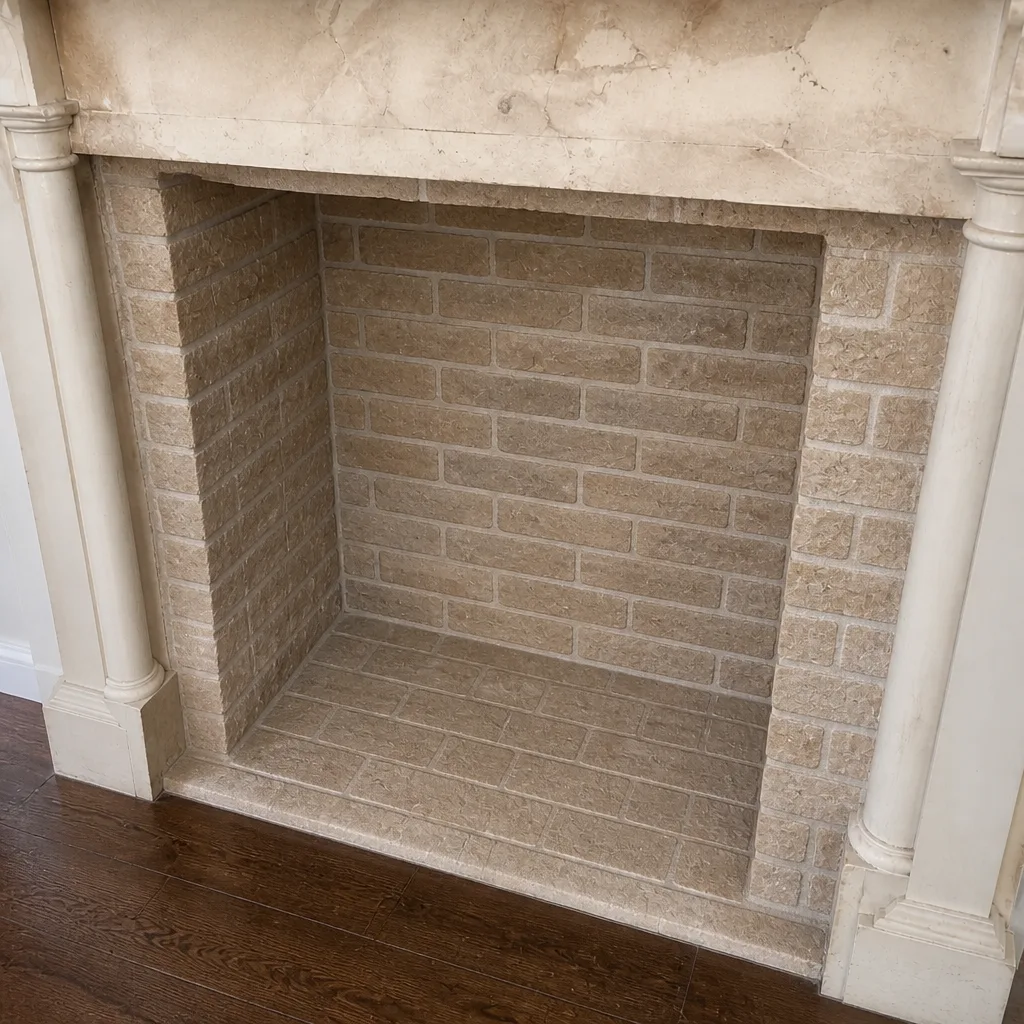
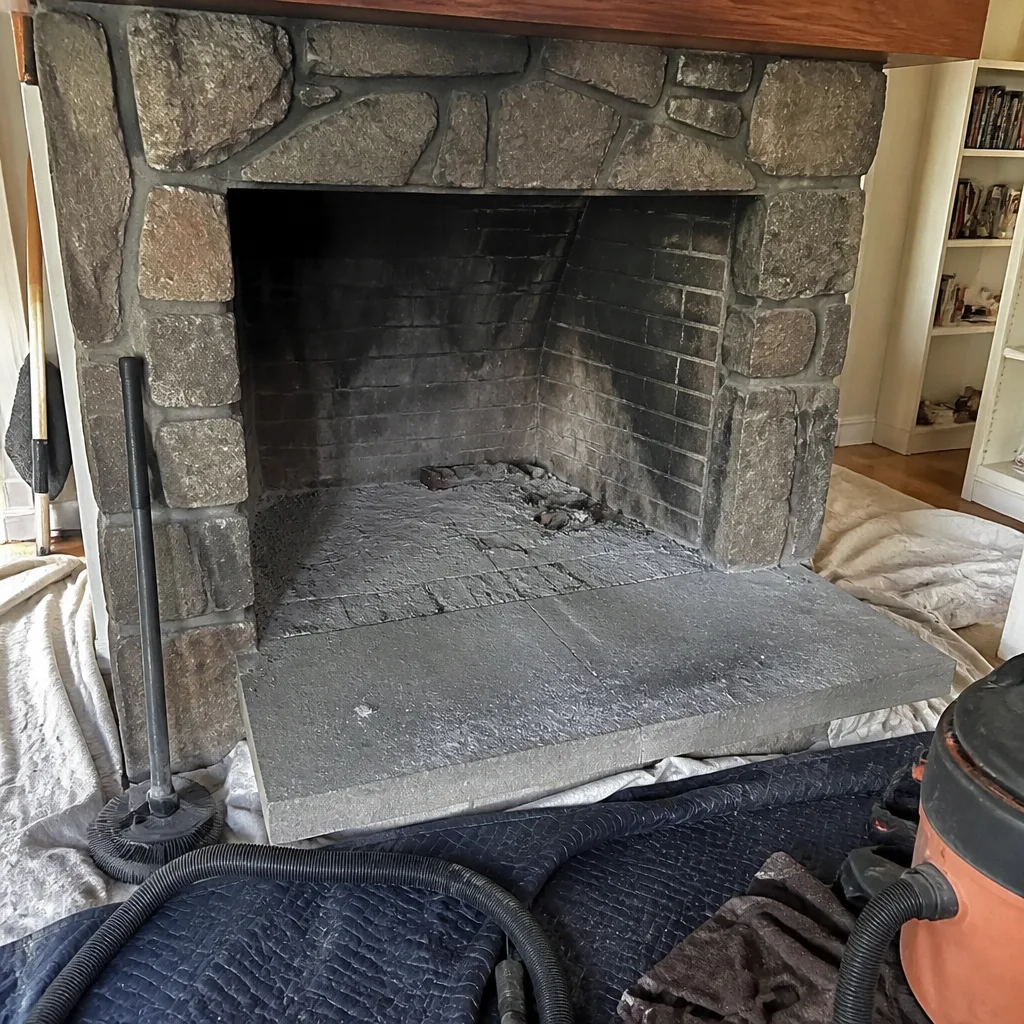
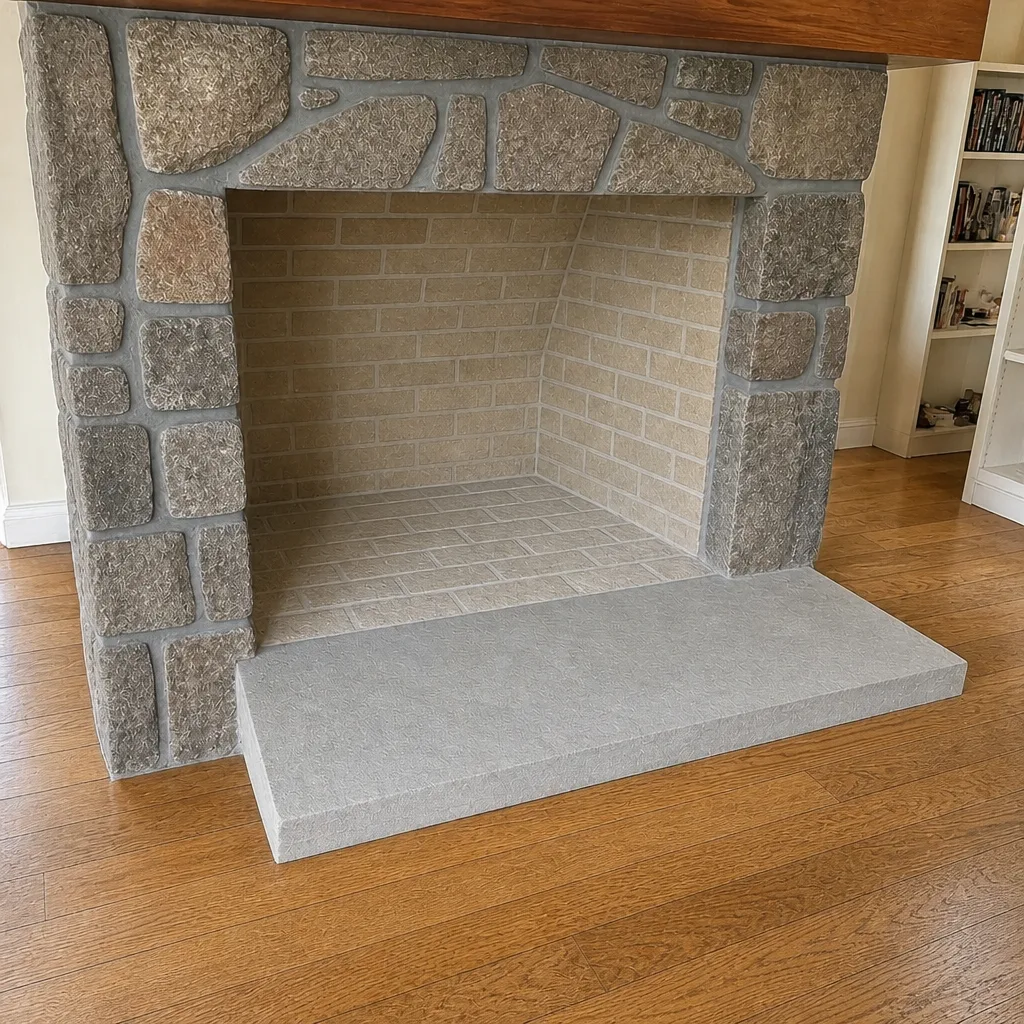
See the difference
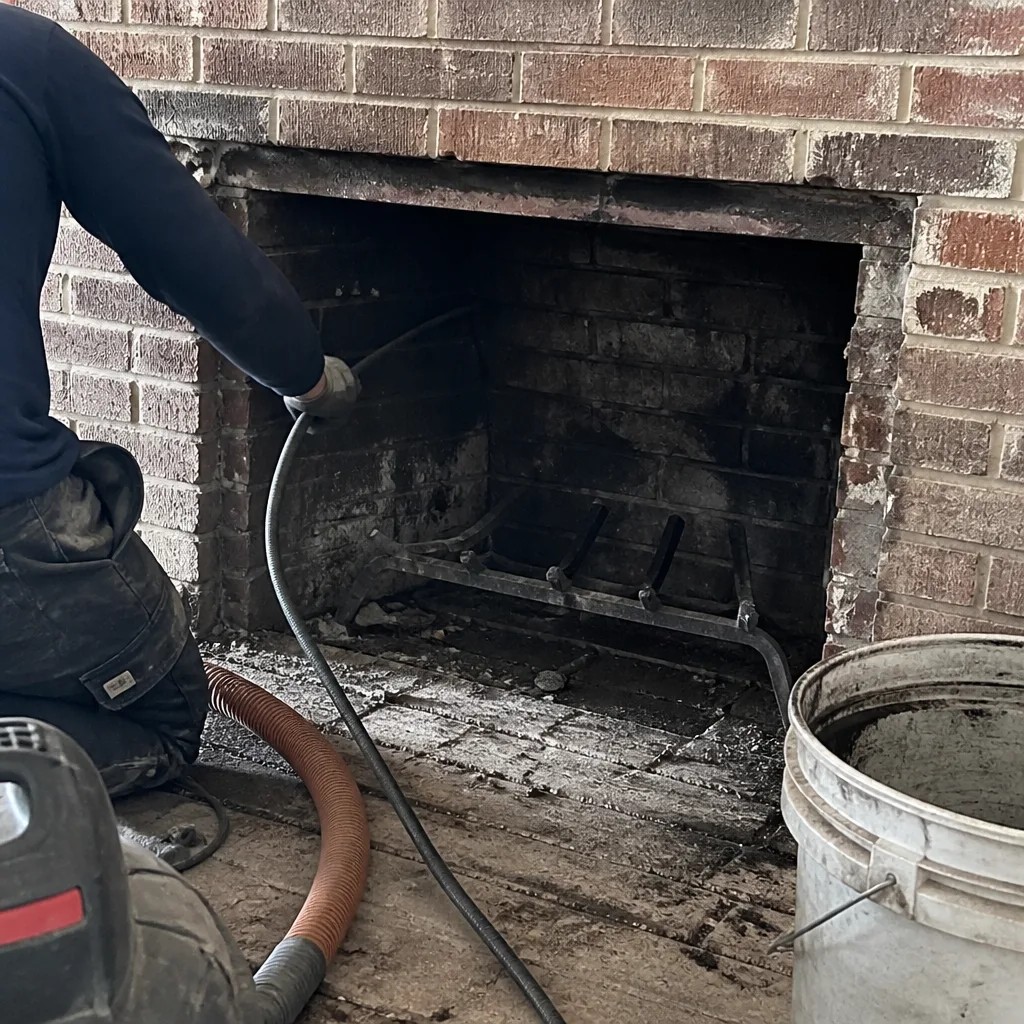 Before
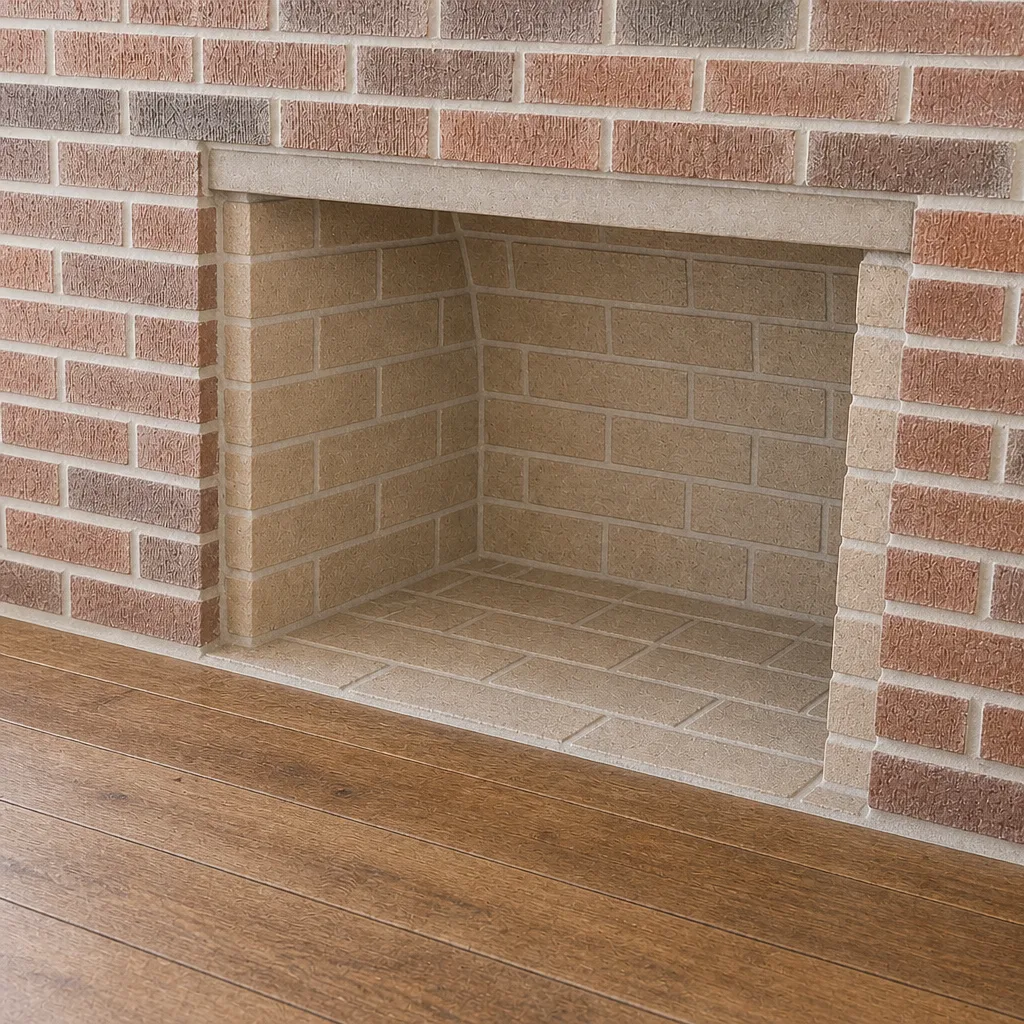 After
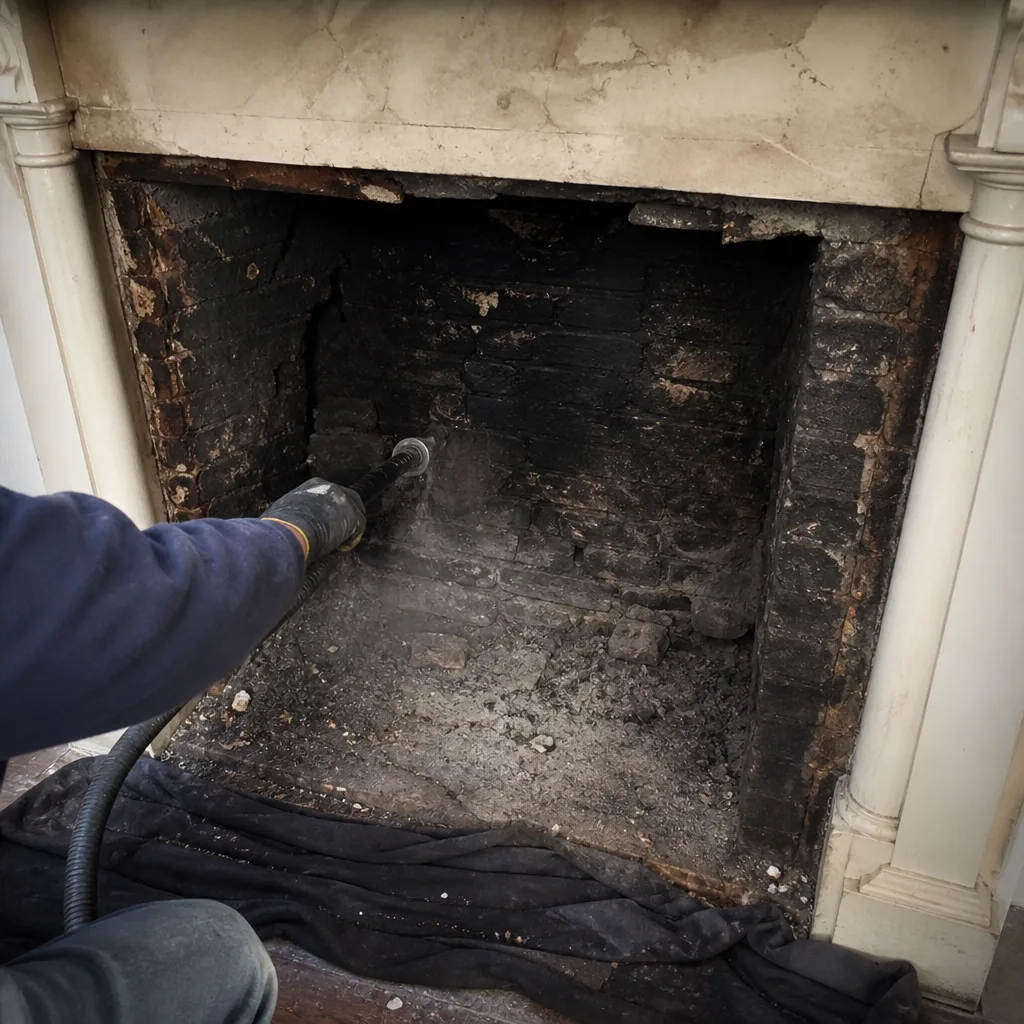 Before
 After
 Before
 After
When to Call a Professional
The short version: call a professional when anything on the technician-only list comes up, when any of the red-flag conditions appears, or when you can’t remember your last inspection. A camera inspection is the honest starting point, and it will tell you whether the issue is minor, major, or safe to monitor. We recommend nothing without camera evidence you can see for yourself, and we’ll tell you plainly when work can safely wait. One call covers cleaning, inspection, and the repairs that follow, because we’re set up for sweeping, inspection, fireplace repair, chimney repair, and cap and crown work under one company. Chimney Sweep Mariners Harbor offers free estimates in Mariners Harbor. Call (877) 792-7270. We answer 24/7. Fast dispatch from 7am to 7pm, Sunday through Friday.
Frequently Asked Questions
Pricing is set per job by a written estimate, and the estimate is free. The cost depends on the flue configuration, creosote level, and whether inspection reveals repair needs beyond the sweep. The written estimate you receive before any work is booked sets the final price. For an exact quote, call (877) 792-7270. We answer 24/7. Fast dispatch from 7am to 7pm, Sunday through Friday.
Not always. A cracked clay tile in otherwise sound condition can sometimes be resurfaced instead of replaced, which extends the life of the existing flue without a full tear-out. A full reline is the answer when the liner is too damaged for resurfacing or when the flue is the wrong size for the appliance. The decision hinges on what the camera sees, and we show you the photos before recommending either route. Call (877) 792-7270 for an inspection and a free estimate.
Once a year for most homes that burn wood regularly, and every year for inspection even if you don’t sweep that year. If you burn heavily or you’re noticing a lot of smoke from the firebox, a mid-season check is worth it. Gas fireplaces typically need an annual inspection rather than a sweep. Call (877) 792-7270 to book a sweep ahead of the heating season.
Skip enough seasons and the likely outcome is a cracked liner, eroded mortar, or a leaking crown. A cracked liner is the most serious of the three, because it’s a pathway for hot gases and carbon monoxide into the living space. None of these appear suddenly. They develop slowly, and the difference between a small repair and a rebuild is usually whether someone caught the problem early. Call (877) 792-7270 to get an inspection and know exactly where your chimney stands.
You can inspect the cap, crown, flashing, firebox, and damper from safe vantage points, and that’s a useful annual habit. You can’t inspect the liner or the smoke chamber without a camera and a trained eye, and those are the two components that fail most dangerously. A homeowner can close two of the six components on the checklist. Call (877) 792-7270 for the camera inspection that covers the rest.
Rowhouses share chimney chases more often than detached homes do, so a problem in one flue can affect the masonry around a neighbor’s flue. The cap and crown checks matter more because water entering through the top can travel down shared masonry. If you’re in a rowhouse and notice mortar problems or water stains, get an inspection early rather than waiting for the next scheduled sweep. Call (877) 792-7270 for a free estimate on a Mariners Harbor inspection.
The Bottom Line
A good maintenance checklist is built around what actually fails. For Mariners Harbor chimneys, that’s the cap and crown taking a beating from weather, mortar eroding through repetitive freeze-thaw cycles, and liners cracking from thermal cycling where you can’t see them. Check the exterior yourself every fall, book a camera inspection annually, sweep once a year if you burn wood, and keep dated photos and records of every visit. Then watch for the red flags: cracked firebox, smoke rolling back, water stains, soft mortar. When any of those appear, stop guessing and call. The contractor-grade materials from HeatShield, DuraFlex, Gelco, and Olympia Chimney exist because these problems have known, durable solutions, and the earlier you catch them, the smaller the repair. Call (877) 792-7270 for a free estimate. We answer 24/7. Fast dispatch from 7am to 7pm, Sunday through Friday.
Written by the team at Chimney Sweep Mariners Harbor.