
Last updated November 23, 2026
 Sweep & inspection
 Caps & crowns
 Flue relining
 Masonry repair
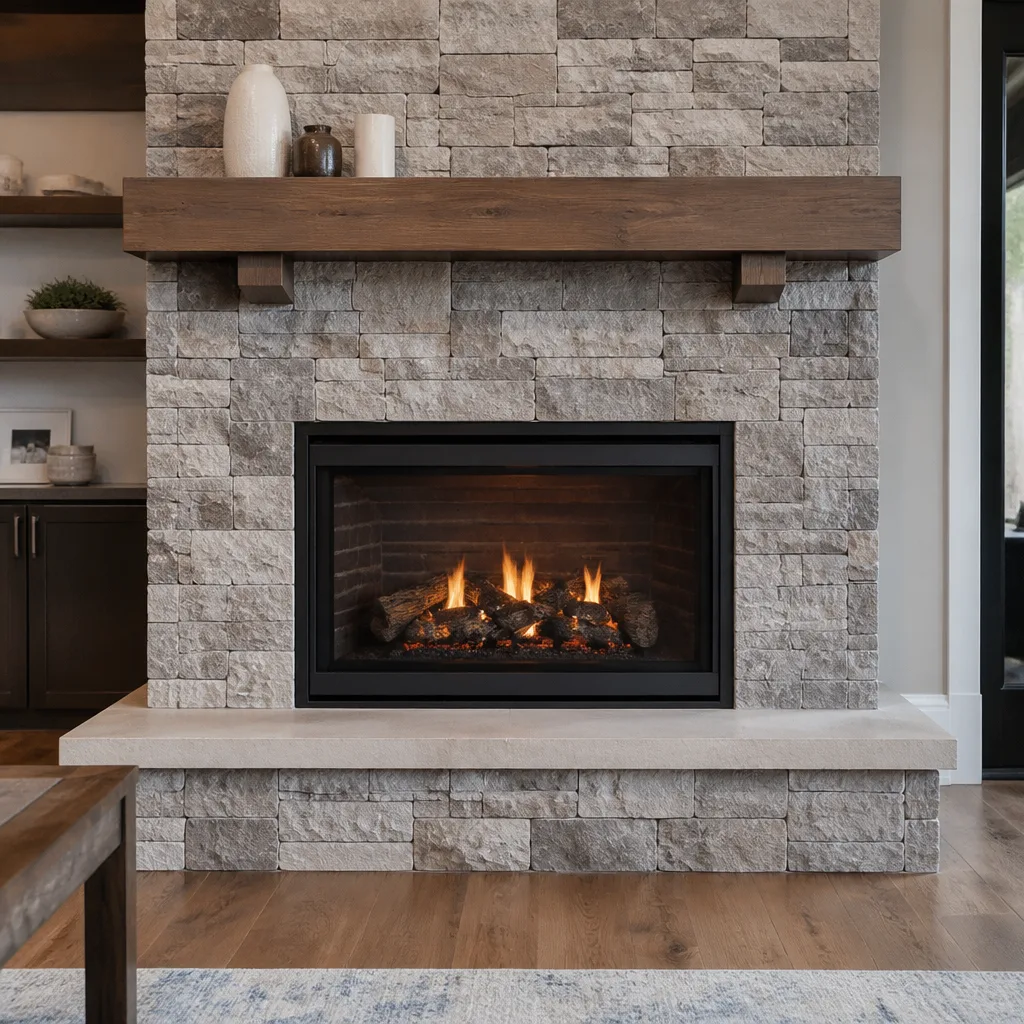 Gas fireplace service
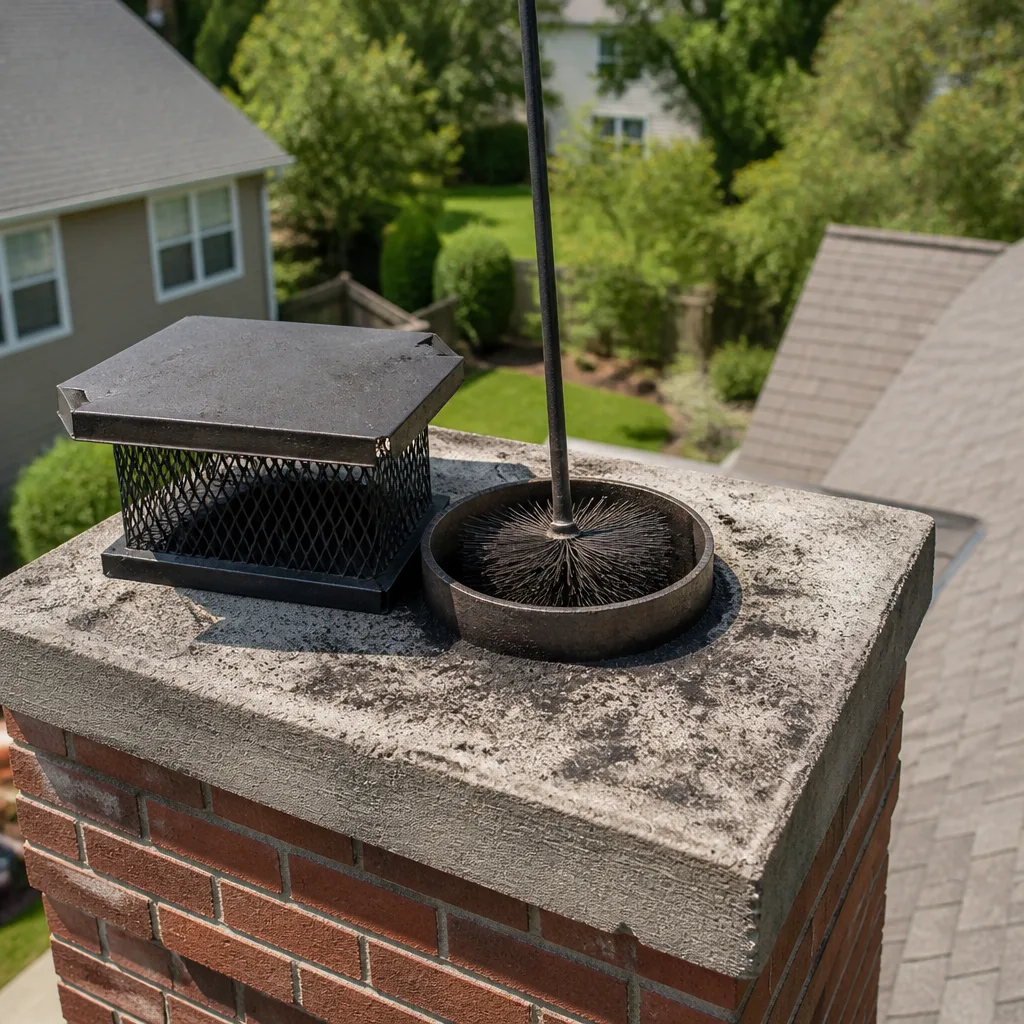
Level 1 sweep and inspection to the NFPA 211 annual standard - flue, crown, cap, and flashing checked and photographed
Chimney sweep logs do not sweep chimneys. They loosen some creosote - which then falls where a brush and vacuum still have to collect it.
Chimney Cleaning Permits, Codes & Inspections in Mariners Harbor, NY: What You Need to Know
Most homeowners assume a chimney sweep is paperwork-free. You call, someone brushes the flue, you pay, done. That’s true for a routine cleaning. But the moment an inspection turns up a cracked liner, a failed crown, or a masonry joint that’s come apart, the work crosses a line from maintenance into repair that New York City’s building rules govern. Staten Island is a borough of New York City, and Mariners Harbor homes fall under those same rules. Skipping a required permit doesn’t just save you paperwork. It can leave you with repair work your insurer won’t cover and a disclosure problem when you sell. This guide walks through what’s permitted, what isn’t, how the inspections differ, and what paperwork to keep.
Quick Answer
In New York City, routine chimney cleaning and a visual safety inspection are considered maintenance and don’t require a Buildings Department permit. Structural chimney repairs, relining, rebuilding a chimney above the roofline, and changes to the venting system generally do. You’ll want a written inspection report from a qualified sweep either way, because New York State’s property disclosure requirements ask sellers to disclose known material defects, and unpermitted repair work tends to surface at the worst possible moment.
Styles & brands we work with
- Sweep & inspection
- Caps & crowns
- Flue relining
- Masonry repair
- Gas fireplace service
Table of Contents
- Which Chimney Services Need a Permit in NYC?
- What’s Classified as Routine Maintenance
- How Local Law 11 and FDNY Rules Touch a Residential Chimney
- NFPA 211 vs. NYC Buildings Department Inspections
- Unpermitted Work and Homeowners Insurance
- Documentation to Request From Any Contractor
- Why Mariners Harbor Homes Face Particular Risk
- Climate and Heating Load in Mariners Harbor
Which Chimney Services Need a Permit in NYC?
New York City’s building code, administered by the Department of Buildings, classifies [[construction and alteration work]] separately from ordinary maintenance. The permit question hinges on which category a job falls into. Cleaning a flue is maintenance. Rebuilding a chimney stack is construction. Relining a flue with a listed flexible liner sits somewhere in the middle and depends on scope: swapping a damaged appliance connector is one thing, replacing a full-height flue liner is another.
The line most homeowners miss is the one between inspection findings and repair scope. If an inspector finds cracked flue tiles, a deteriorated crown, or spalling brick and the fix requires removing masonry, the job is an alteration. That work needs a permit pulled before the contractor starts, not after.
Broadly, in Mariners Harbor and across Staten Island, these actions usually require a permit:
- Rebuilding a chimney above the roofline or removing masonry to access flue tiles
- Installing, replacing, or resizing a full-height flue liner
- Structural repair to a chimney that’s pulling away from the house or showing failed support
- Relocating a chimney or a connected appliance in a way that changes the venting path
- Converting a fireplace from wood-burning to gas with a new venting configuration
Jobs that generally do not require a permit include a standard cleaning and a visual safety evaluation. Ask the question directly at booking. Any contractor who can’t answer whether the scope requires a permit, or tells you permits “aren’t necessary” for structural repair, is telling you something about how the rest of their work will go.
What’s Classified as Routine Maintenance
Routine maintenance is the category that keeps a chimney safe without triggering formal review. The underlying principle: if a task doesn’t change the structure, venting geometry, or function of the chimney system, it’s maintenance. Brush it, vacuum it, check the cap, and reseal a chase cover, and you’ve stayed inside that boundary.
Here’s what most commonly falls into the routine maintenance category:
- Cleaning the flue and firebox of creosote, soot, and any debris that’s come down from a bird nest or leaf buildup.
- Visual inspection from the firebox and, ideally, from the roof, using a flashlight and mirror or a camera.
- Cap checks and minor tightening or reattaching a loose cap in good condition.
- Damper testing to confirm the throat opens, closes, and seals.
- Routine firebox cleanup and removal of ash where it’s accumulating and shallow.
In our experience, the cleanest way to think about this: maintenance is reversible, cosmetic, or surface-level. The moment someone cuts, drills, mortars, or replaces a component in the venting path, the work requires more scrutiny. A good inspector will say plainly whether what you’re being sold is maintenance or alteration. A great one will say it before the truck shows up, so you know what to expect.
How Local Law 11 and FDNY Rules Touch a Residential Chimney
Staten Island gets confused on this one. Local Law 11, which requires facade inspections and repairs on buildings taller than six stories, almost never applies to a single-family house in Mariners Harbor. It’s a building-by-building rule for large structures. That doesn’t mean a one-family home is off the hook. It means the relevant inspectors and rules come from somewhere else.
Where it gets interesting for Mariners Harbor is the way FDNY rules interact with the chimney itself. The fire code governs how chimneys, fireplaces, and heating appliances are maintained in any building, and it doesn’t exempt private homes. Two areas matter most:
- Clearances and combustibles. Stored items near the firebox, cardboard boxes on a mantel, or furniture pressed against a chimney wall all create fire risk. A qualified inspector will flag them.
- For solid-fuel appliances, the venting path must be intact. If the flue has a break that lets smoke or carbon monoxide escape into the house, the system is compromised. That’s a life-safety issue, not a cosmetic one. Carbon monoxide is odorless and colorless, which is exactly why an annual inspection earns its cost.
For a building with more than one unit, FDNY rules may also require a chimney inspection and cleaning on a fixed schedule, and a written record. Single-family Mariners Harbor homes sit outside that requirement, but the underlying principle is the same: document the condition of the system and keep the record. If you’re ever unsure whether an inspector has authority to require the work, ask for the citation. Inspectors from a legitimate process will provide it.
NFPA 211 vs. NYC Buildings Department Inspections
This is the section that saves homeowners from being talked into the wrong report. There are two main types of chimney inspection, and they answer different questions.
NFPA 211 Inspection
NFPA 211 is the national standard for chimneys, fireplaces, vents, and solid-fuel-burning appliances. It defines three inspection levels, and the level tells you what the inspector can see:
- Level 1: Visual inspection of the readily accessible portions of the chimney, firebox, and connected appliance. Recommended annually for a system that hasn’t changed.
- Level 2: Adds a camera scan of the flue interior and inspection of accessible attic, crawlspace, and concealed areas. Required when the system changes, when a home changes hands, or after a chimney fire or earthquake.
- Level 3: Adds removal of parts of the structure to expose concealed areas. Rare, and usually after a known event.
A Level 2 report is the industry-standard document for a real-estate transaction and the one that will show a cracked liner clearly, on video. If a contractor is asking you to agree to thousands of dollars of relining work, ask to see the camera footage.
NYC Buildings Department Inspection
A Buildings Department inspection is a code-compliance checkpoint, typically tied to permits, site visits, and sign-offs. It’s not a substitute for a Level 2 scan, and a Level 2 scan doesn’t replace a permit inspection. The two are different tools.
You’ll generally need both when the chimney work is permitted. The BD inspector comes out to see that the installed system matches the approved plan. The chimney professional’s Level 2 report is what explains the condition of the system and justifies the scope in the first place. One bad inspection and a project stalls at the worst possible time. Getting both lined up correctly is the contractor’s job, and it’s a fair question to ask at the estimate stage.
Unpermitted Work and Homeowners Insurance
A common pattern: a homeowner’s chimney gets swept, an inspector notes a small crack, a contractor patches it on the spot without a permit, and everyone moves on. Two years later a flue fire causes interior damage. The adjuster asks for the work order and the inspection report and what comes back is a patch on paper.
Whether an insurer pays a claim depends on policy language and the specifics, so nobody should promise you a denial ahead of time. What we can say plainly is that unpermitted work complicates a claim, and a gap in documentation gives an adjuster a reason to look closely. It also creates a problem at resale: New York State property transfer disclosures ask sellers to name known material defects, and a repaired chimney with no paperwork behind it is precisely the kind of item a buyer’s attorney will flag.
Insurance claims aside, there’s a structural reason not to patch and forget. A hairline crack in a flue tile doesn’t just exist; it usually traces back to a cause, whether that’s a prior chimney fire, water penetration at a failed crown, or thermal stress. A patch addresses the symptom. An inspection that names the cause is what protects the house. We inspect before we recommend, and we say plainly when something can safely wait until next season. It’s not in anyone’s interest to sell work that isn’t needed.
Documentation to Request From Any Contractor
Any professional who works on a chimney should be able to give you a paper trail. When you’re hiring, ask for the following before work begins:
- A written estimate with scope. What’s included, what isn’t, and whether permits are part of the job.
- The permit number if the work requires one, and a copy of the permit.
- The inspection report at the level you contracted for, with camera footage if the level calls for it.
- A description of the materials going into the chimney: liner type, cap material, crown mix. Contractor-grade listed products from DuraFlex or HeatShield, for example, tell you what standard the work is being held to, whereas unlabeled materials don’t.
- A completion record after the job: what was done, what was tested, what to watch for.
The materials matter for the paperwork trail because a listed, manufacturer-backed product typically comes with installation documentation that supports a code-compliant install. A grab-bag of box-store parts doesn’t. We work with DuraFlex flexible liners and HeatShield resurfacing for exactly this reason: both are professional supply brands, and both bring a documentation trail that supports an insurance claim or a property transfer. When a contractor can’t provide the material spec, that’s a question worth asking.
Why Mariners Harbor Homes Face Particular Risk
Mariners Harbor has a particular housing stock, and the chimney issues follow the buildings. Much of the neighborhood was built in the mid-twentieth century, and plenty of those homes still have their original chimney construction: brick stack, clay tile flue liner, masonry crown. That’s a durable system when maintained. It’s also a system that’s now several decades into its life and showing the wear you’d expect from time, weather, and use.
The three patterns we see most often in Mariners Harbor:
- Cracked or spalled flue tiles. Clay tiles don’t flex, and they break over time or after a chimney fire. Once a tile has a gap, gases can reach the mortar joints and the surrounding structure.
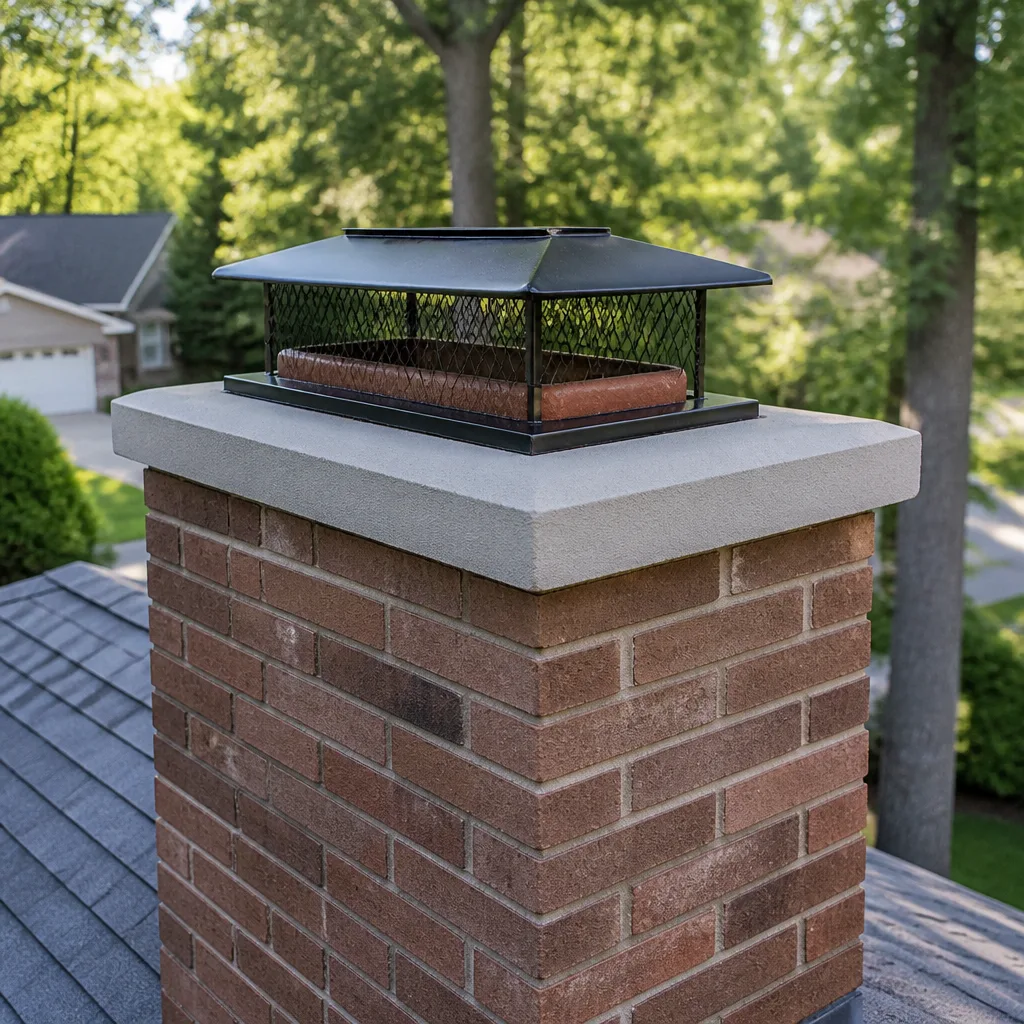
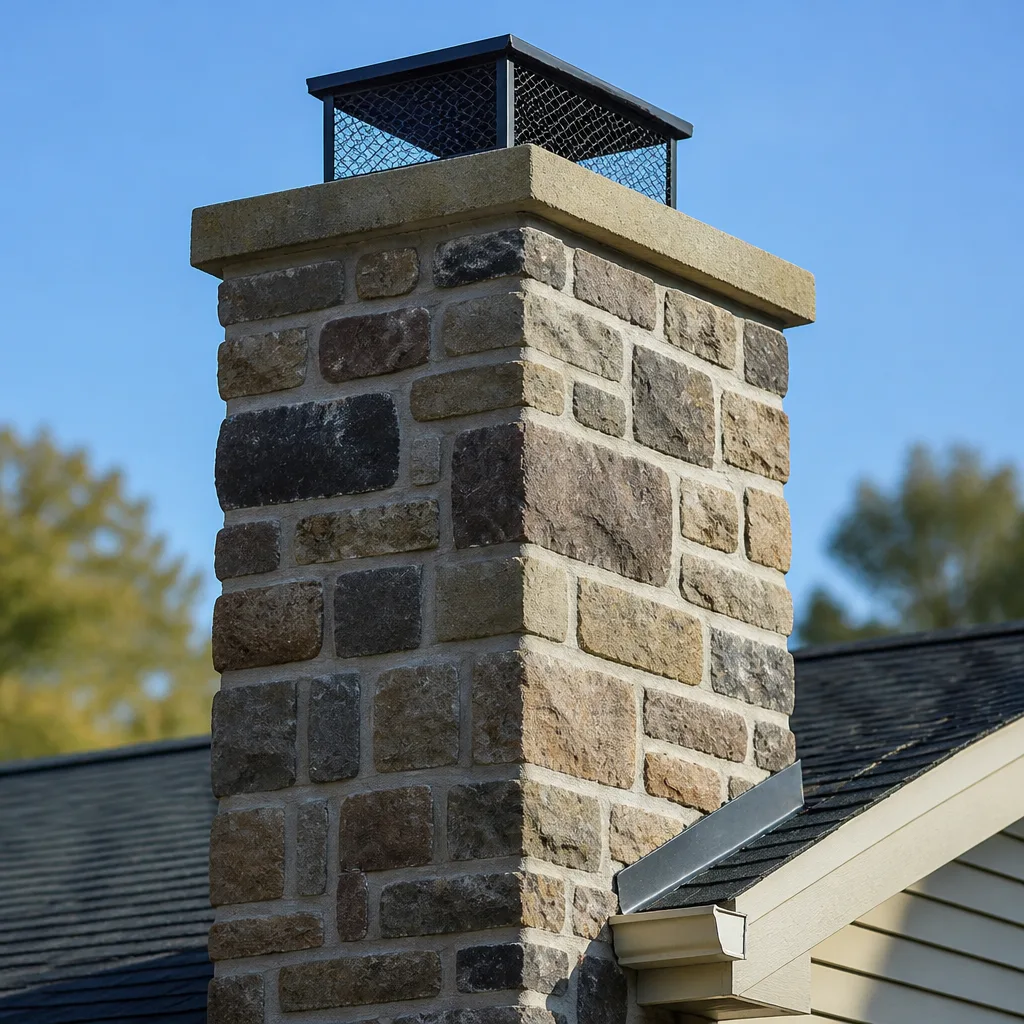
- Failed crowns and mortar wash at the top of the stack. Water gets in, freezes, expands, and opens the joints a little wider every winter. The crown is the chimney’s hat, and once it’s gone, the whole stack pays for it.
- Missing or damaged caps. Fastest route to a flue full of leaves, birds, and rain. In a neighborhood with mature trees, an uncapped chimney has a finite life before something moves in.
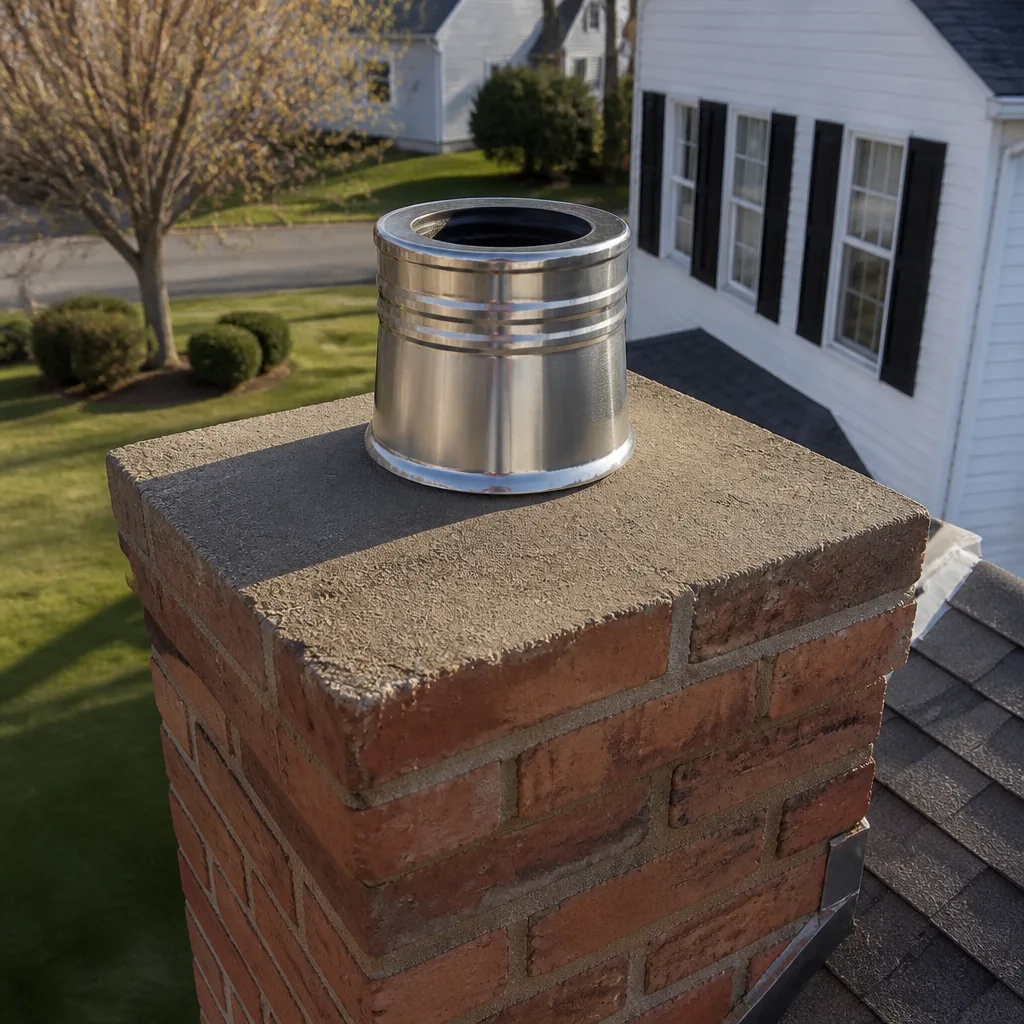
None of this is cause for panic. It’s cause for looking. When a stack needs more than a repair, a reline with a flexible liner is the standard path, and when it needs less than a full liner, HeatShield resurfacing can rebuild the flue interior without a full replacement. Knowing which is which is the point of an inspection.
Climate and Heating Load in Mariners Harbor
Staten Island’s climate is real winter, real summer, and plenty of freeze-thaw cycling between. For a chimney, that cycle is the enemy. Masonry is porous, water gets into the brick and mortar, and when it freezes, it expands and forces cracks open. Do that enough times over enough seasons and a sound chimney gradually becomes a candidate for major repair.
Heating patterns matter too. A wood-burning fireplace that gets steady use across the heating season builds creosote in the flue, and creosote is what actually fuels a chimney fire. The rate depends on the wood, the fire’s temperature, and how much air the firebox gets. Burn unseasoned wood or run the fire choked down and the buildup is faster. Burn dry, seasoned wood and run a hot fire and it’s slower. The flue doesn’t care which is more convenient; it cares what’s in it.
Two practical consequences for a Mariners Harbor homeowner:
- Inspect once a year, before the first fire. That’s the season to catch a crown failing or a flue tile cracking, not mid-January after you’ve started burning. Heating season here runs long enough that a March finding could cost you the balance of the winter.
- Chimney fires can happen without you knowing. A low-grade flue fire doesn’t always make the sound or smoke you’d expect. It can happen inside the chimney and burn itself out, leaving damaged tiles behind. That’s a reason to have a professional look after any unusual event, not just a visible one.
New York City’s climate-classified construction requirements mean a proper chimney install is built to the conditions it will see across the year. That’s part of why we work with listed products from brands like Olympia Chimney and Gelco: they’re spec’d for the range of weather that actually happens here, not for a mild climate somewhere else.
Common Mistakes to Avoid
- Patching a cracked liner without a permit. Patching alone can fail to address the underlying cause and takes you off the permit path, which is where the repair belongs when masonry has to be opened. If the fix requires breaking out flue tiles, it’s permitted work.
- Accepting a verbal “you need a full reline” without seeing the camera footage. Relining is sometimes genuinely necessary. Sometimes it isn’t. The footage is the evidence, and you’re entitled to see it before agreeing to any liner work.
- Believing Local Law 11 requires your single-family house to have a facade inspection. It doesn’t. Being told otherwise is a sign the contractor is recycling big-building rules for a small-home pitch.
- Hiring a generalist because the chimney is “basically a wall.” A chimney is a venting system, and venting systems have their own codes, materials, and failure modes. A handyman sweeping a chimney is a different job from a chimney specialist doing permitted repair work on one.
- Skipping the inspection report because the cleaning “went fine.” A cleaning removes what’s in the flue; the report tells you what shape the flue is in. Those are not the same service, and a homeowner needs both.
- Not keeping the paperwork after repair work. The permit, the inspection report, and the material spec are what make a repair defensible at resale and at claim time. Put them in the folder with the deed and the survey.
- Assuming a cap is optional. In a neighborhood with mature trees, an uncapped flue is an open door to leaves, nests, and rain.
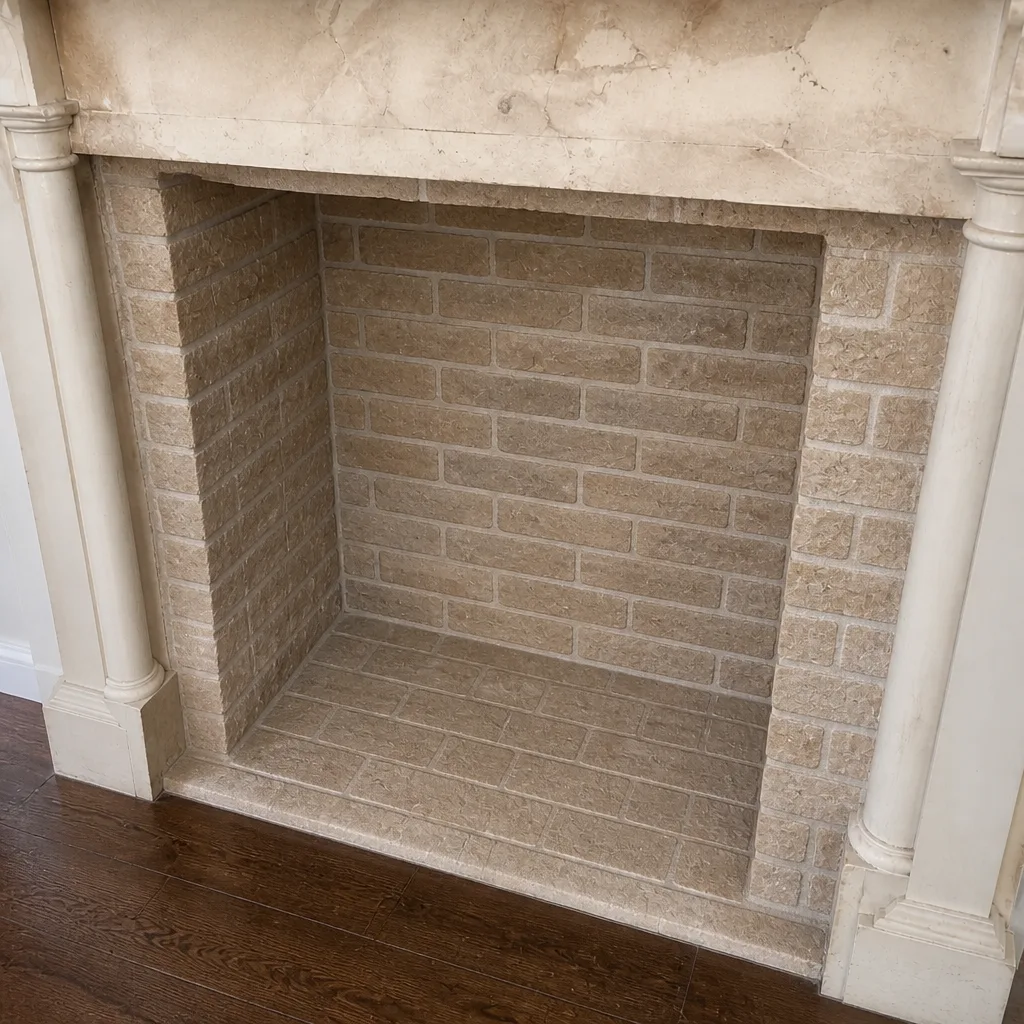
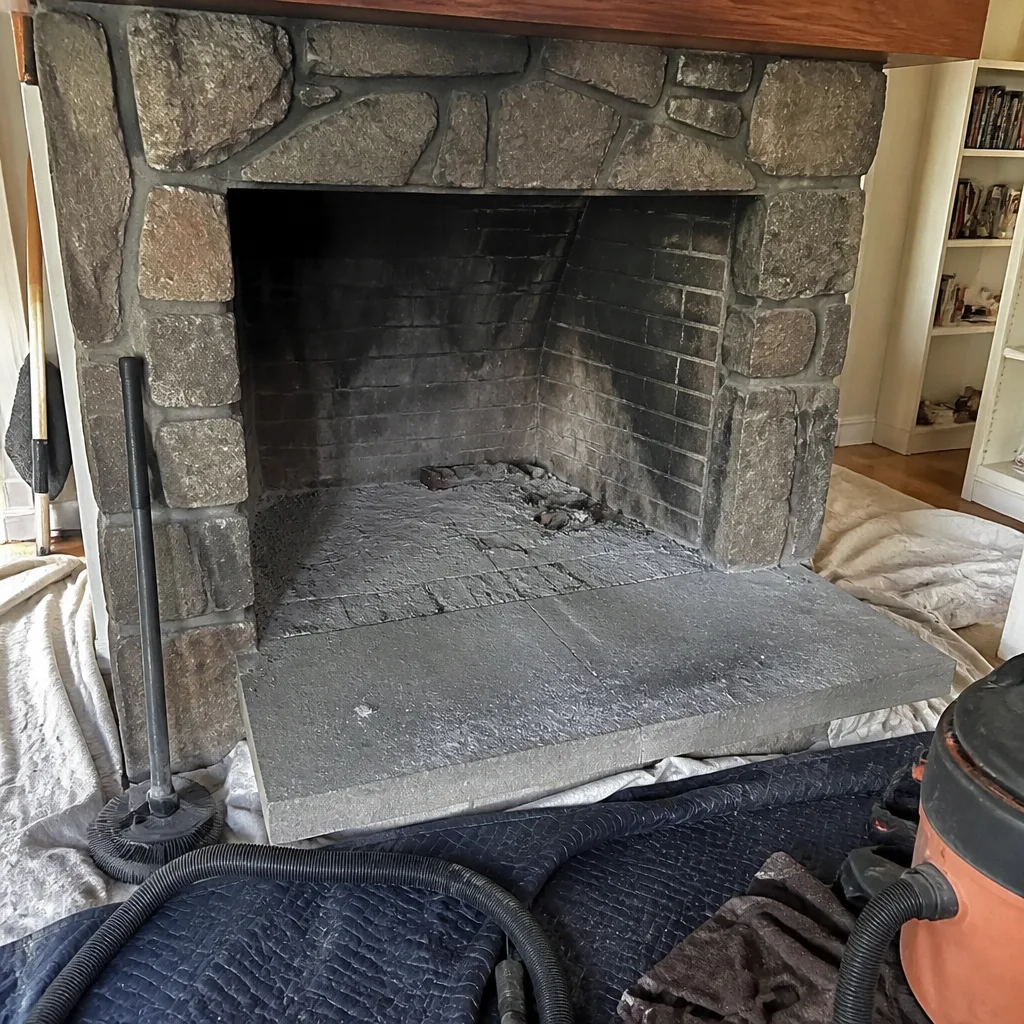
See the difference
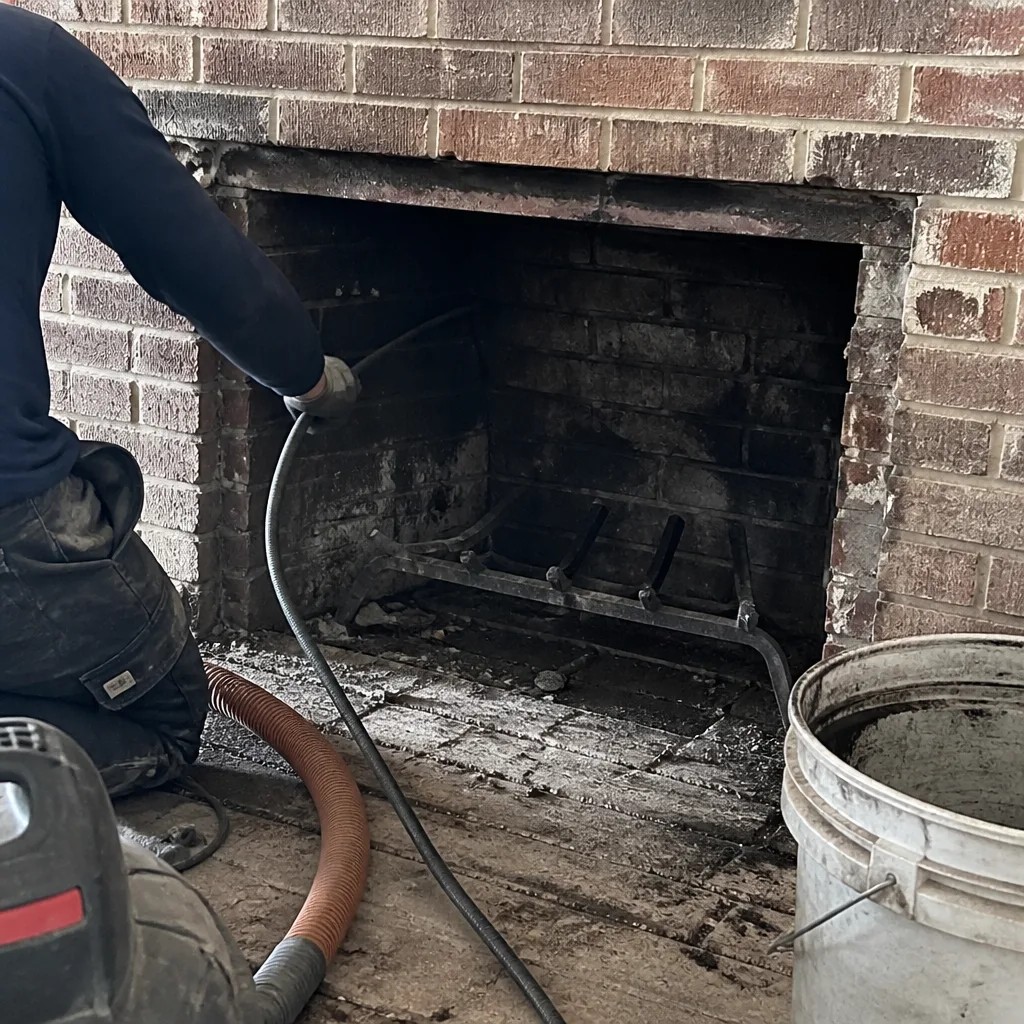 Before
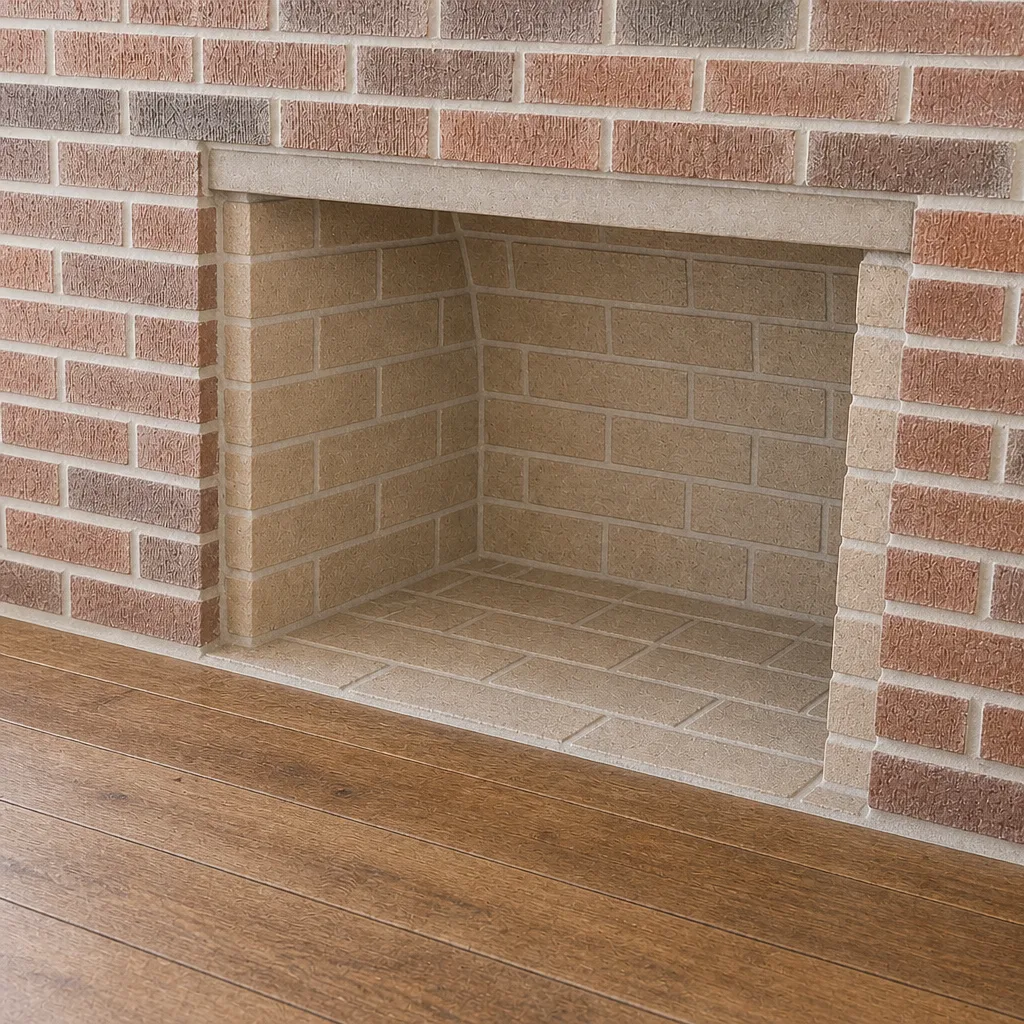 After
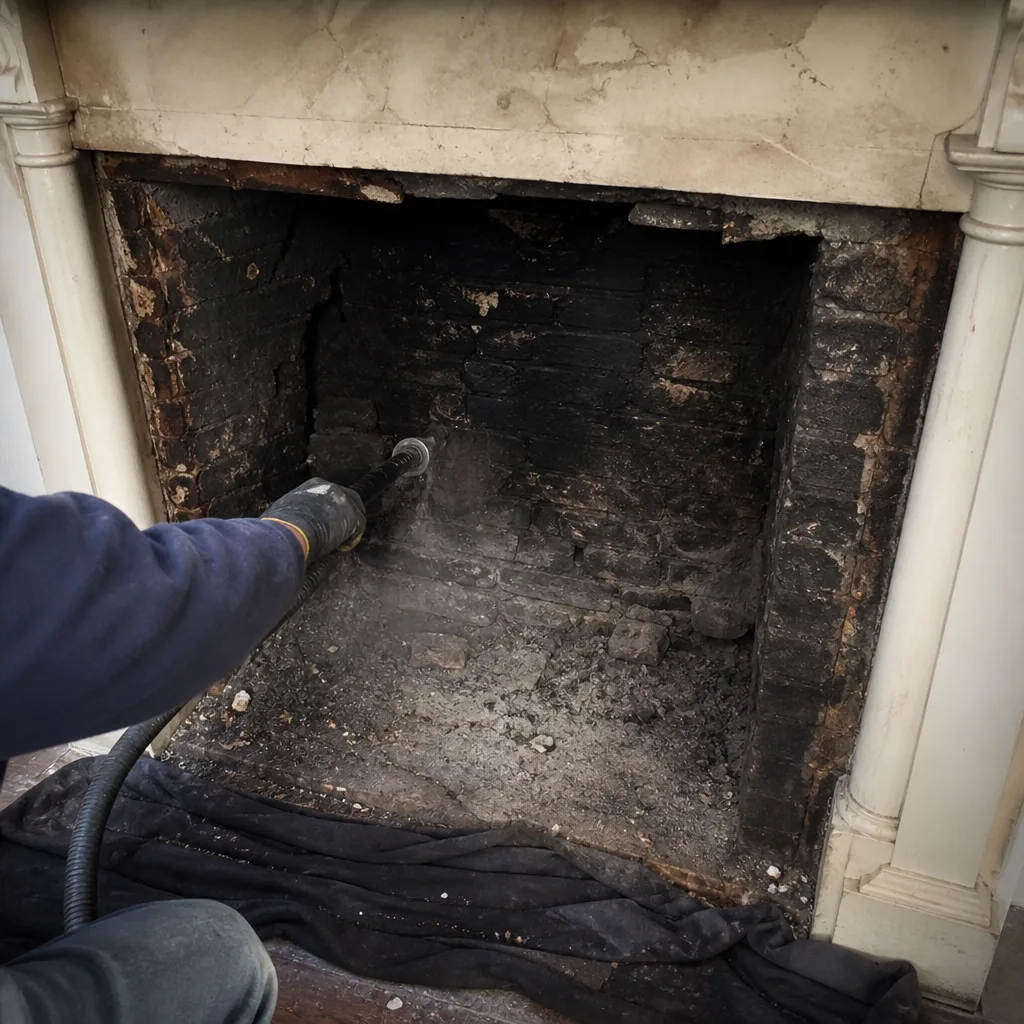 Before
 After
 Before
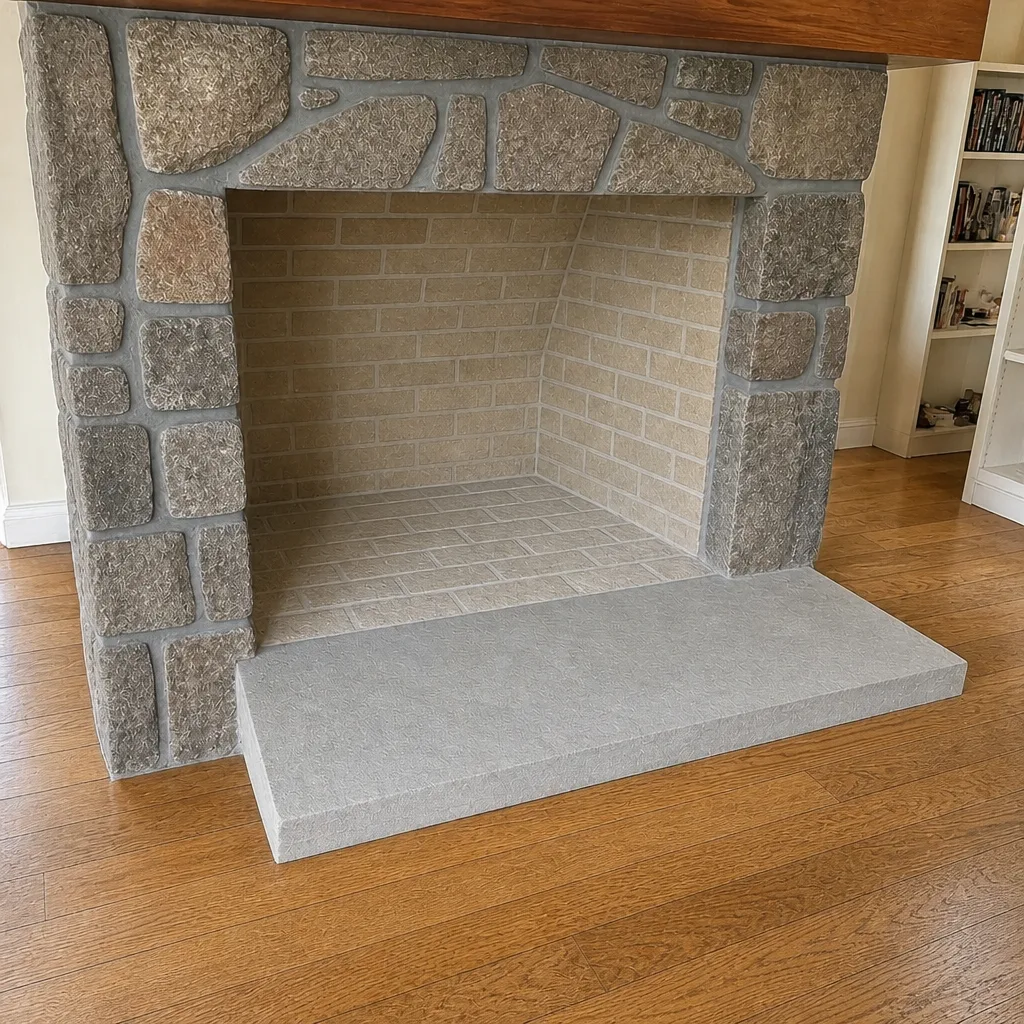 After
When to Call a Professional
Call a chimney professional if you’ve moved into a Mariners Harbor home and don’t have a recent inspection report, if a fireplace or wood stove hasn’t been serviced in several seasons, if you’ve burned a fire since the last check and notice anything unusual about draft or smell, or if you notice visible damage at the top of the stack or staining on the ceiling or chimney chase. Call before you close on a home, so a Level 2 scan lands in your due diligence window. Call before you convert from wood to gas, so the venting is configured properly from the start. And call before the heating season begins, not in January when the system is already running.
Chimney sweep services in Mariners Harbor that include cleaning and a documented inspection give you a baseline to plan from. Chimney Sweep Mariners Harbor offers free estimates in Mariners Harbor: call (877) 792-7270. We answer 24/7. Fast dispatch from 7am to 7pm, Sunday through Friday. Our technicians have up to 8 years of experience, and every recommendation we make comes with camera evidence you can see for yourself.
Frequently Asked Questions
No. A standard chimney cleaning is classified as routine maintenance and doesn’t require a Buildings Department permit. If the inspection turns up structural damage that calls for relining or masonry repair, that work does generally require a permit, and it should be pulled before the work starts. Call (877) 792-7270 for an exact quote on the inspection scope: estimates are free.
Sweep a wood-burning chimney at least once a year, or more often if the fireplace sees heavy use or the wood isn’t well seasoned. Gas-burning appliances need annual inspection even though they don’t produce creosote; the venting path can still fail or draft incorrectly. A yearly inspection catches the things cleaning alone won’t.
Not always. A single localized defect can sometimes be repaired, and HeatShield resurfacing exists specifically to restore a deteriorating flue interior without a full liner replacement. A full reline with a flexible liner is the right call when the liner is compromised along its length, which is a decision the inspection footage should support. Call (877) 792-7270 for an exact quote: estimates are free, and nothing is recommended without camera evidence.
A chimney inspection under NFPA 211 grades the physical condition of the chimney and venting system using video and visual review, and it comes in three levels. A Buildings Department inspection is a code sign-off tied to permits and construction scope. You’ll generally need both when the work is permitted, and they answer different questions.
It can complicate a claim if the insurance adjuster can’t determine that the repair met the applicable code. Policies and outcomes vary, so nobody should promise a particular result. The practical takeaway is to keep documentation: the permit, the inspection report, the material spec, and the completion record. Those are what make a repair defensible if anything goes wrong later.
Keep the written estimate, the permit and inspection record if one was pulled, the inspection report with any camera footage, the material description, and the final completion record. Staple them together and file them with the house papers. If a home sale comes up, they answer the property disclosure question in one shot and save everybody a scramble.
The Bottom Line
A chimney cleaning doesn’t require a permit in Mariners Harbor, but plenty of what an inspection can trigger does. The rule of thumb is simple: if the scope cuts, drills, mortars, or replaces part of the venting system, it’s an alteration and it needs a permit. If it brushes, checks, or tightens, it’s maintenance. Get an NFPA 211 inspection with camera evidence, keep the paperwork, and ask contractors direct questions about permits and materials. Between Local Law 11 confusion, FDNY clearance rules, and insurance-claims realities, a documented chimney system is the version of the house that protects you at claim time and at sale.
One call covers cleaning, inspection, and repair, and the inspection comes first, always. For an initial look, a full sweep with report, or a same-day assessment in Mariners Harbor, call Chimney Sweep Mariners Harbor at (877) 792-7270 for a free estimate. We answer 24/7. Fast dispatch from 7am to 7pm, Sunday through Friday.
Written by the team at Chimney Sweep Mariners Harbor.