
Last updated November 23, 2026
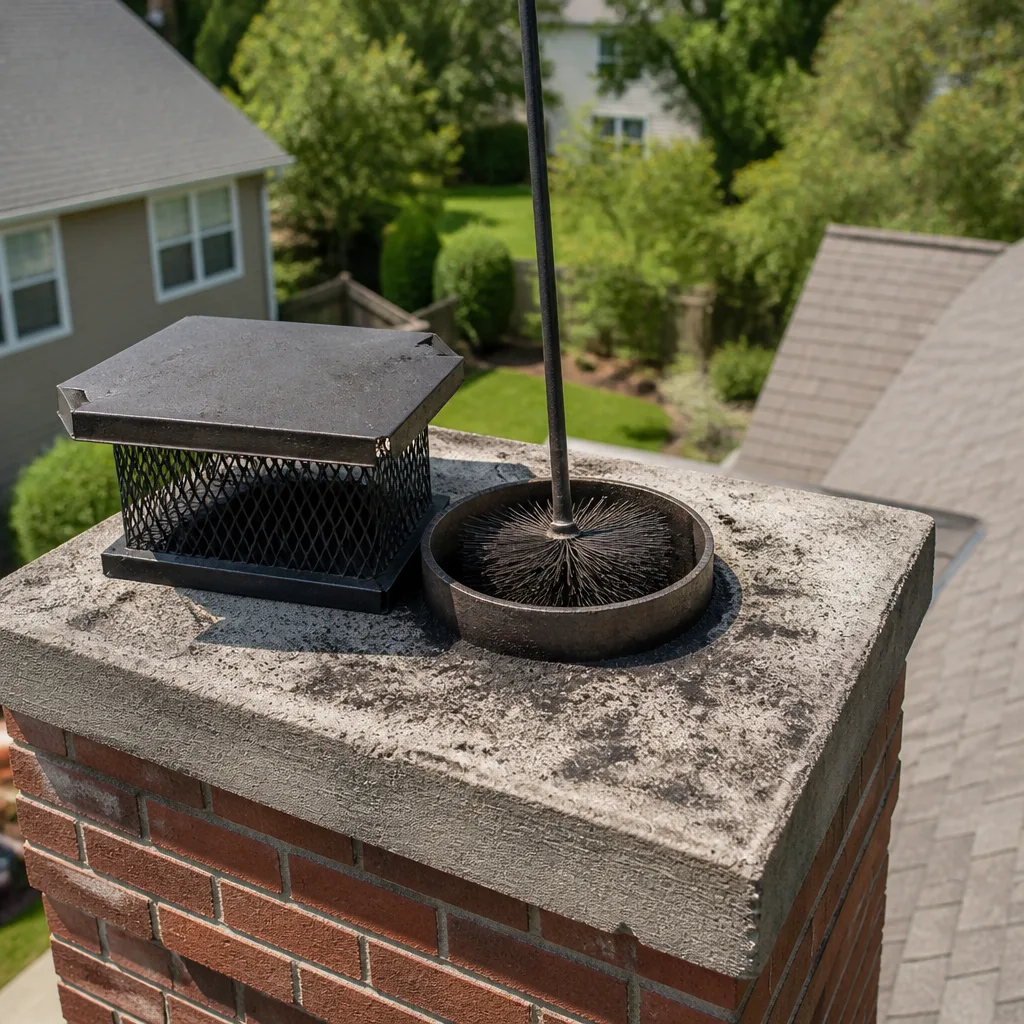 Sweep & inspection
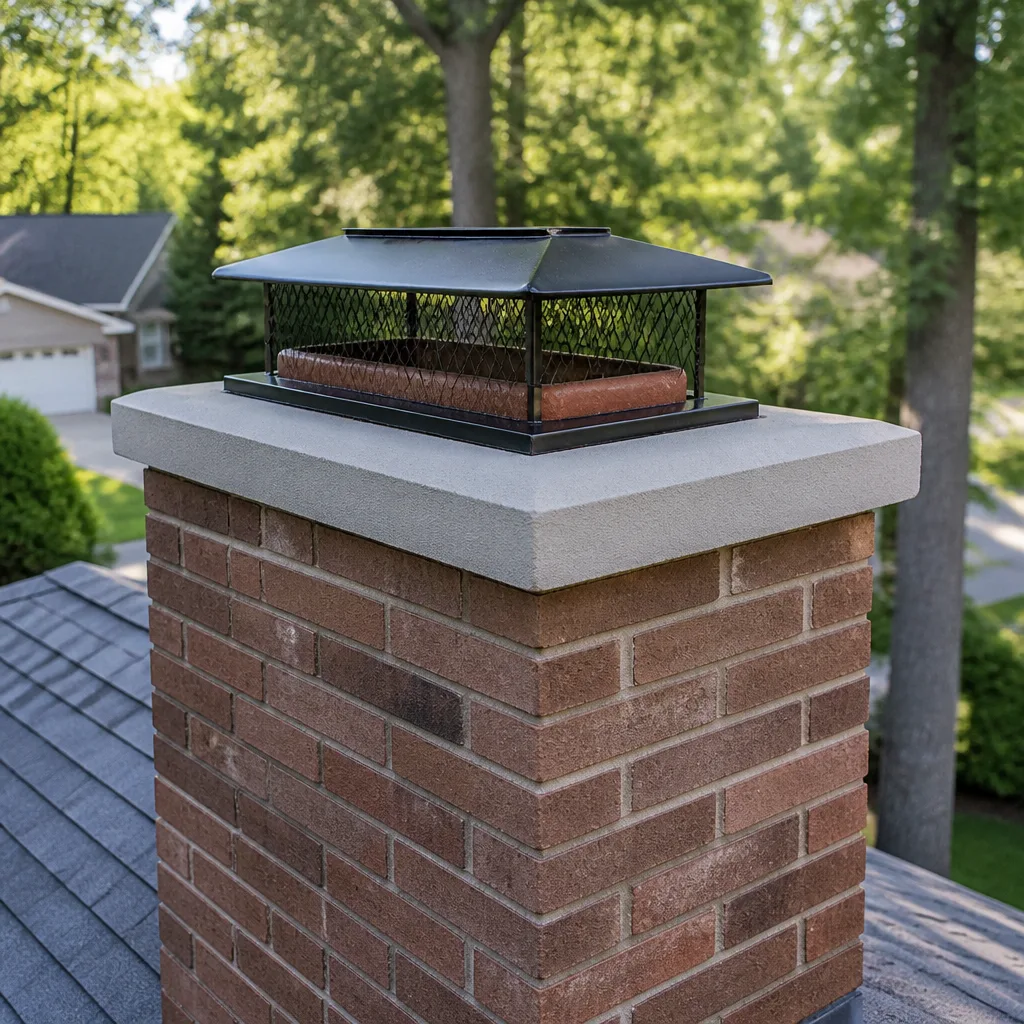 Caps & crowns
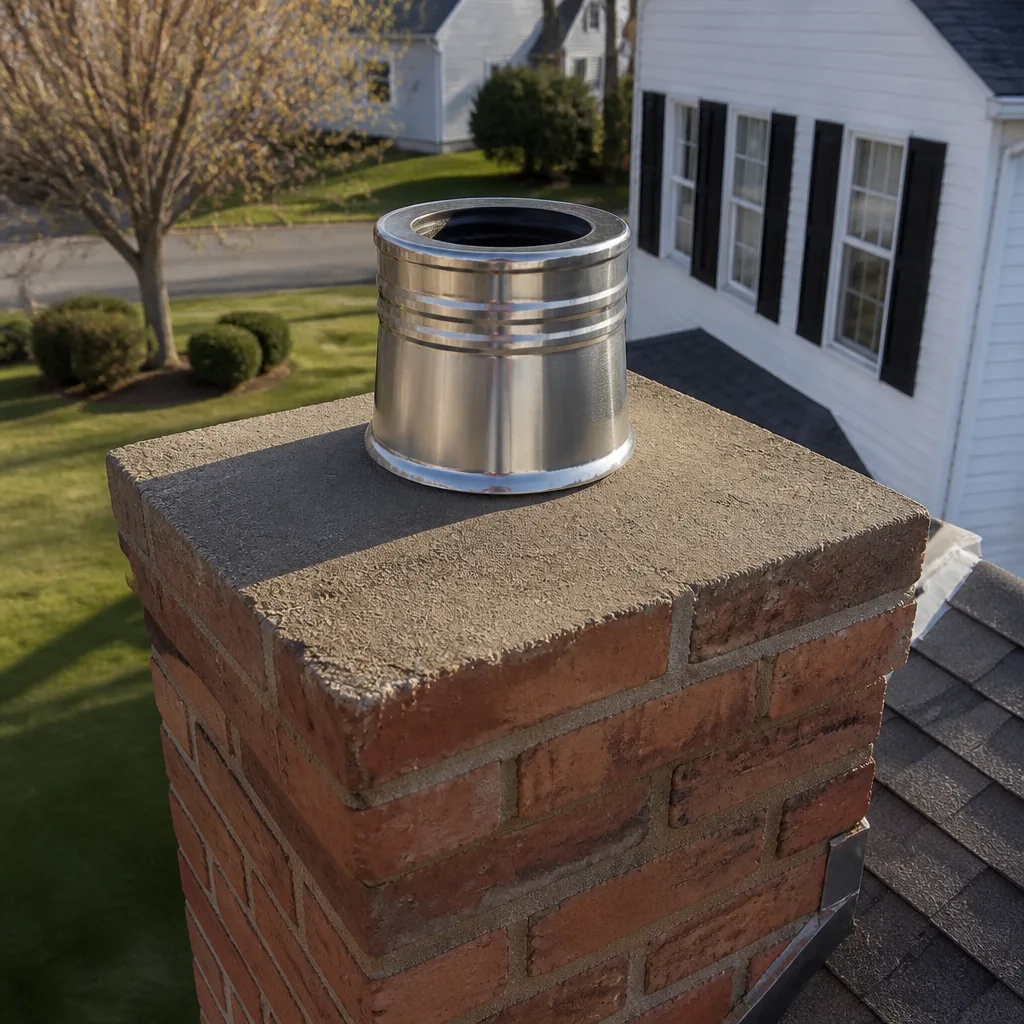 Flue relining
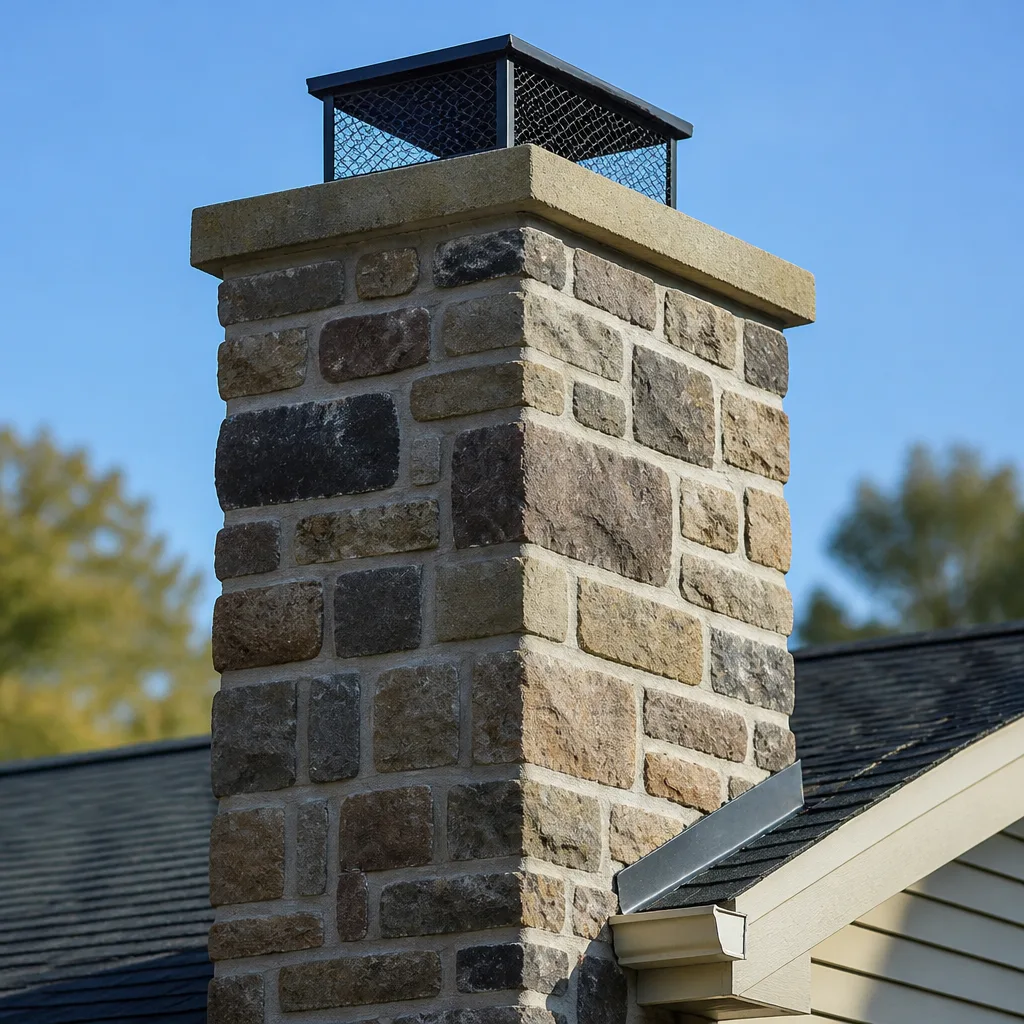 Masonry repair
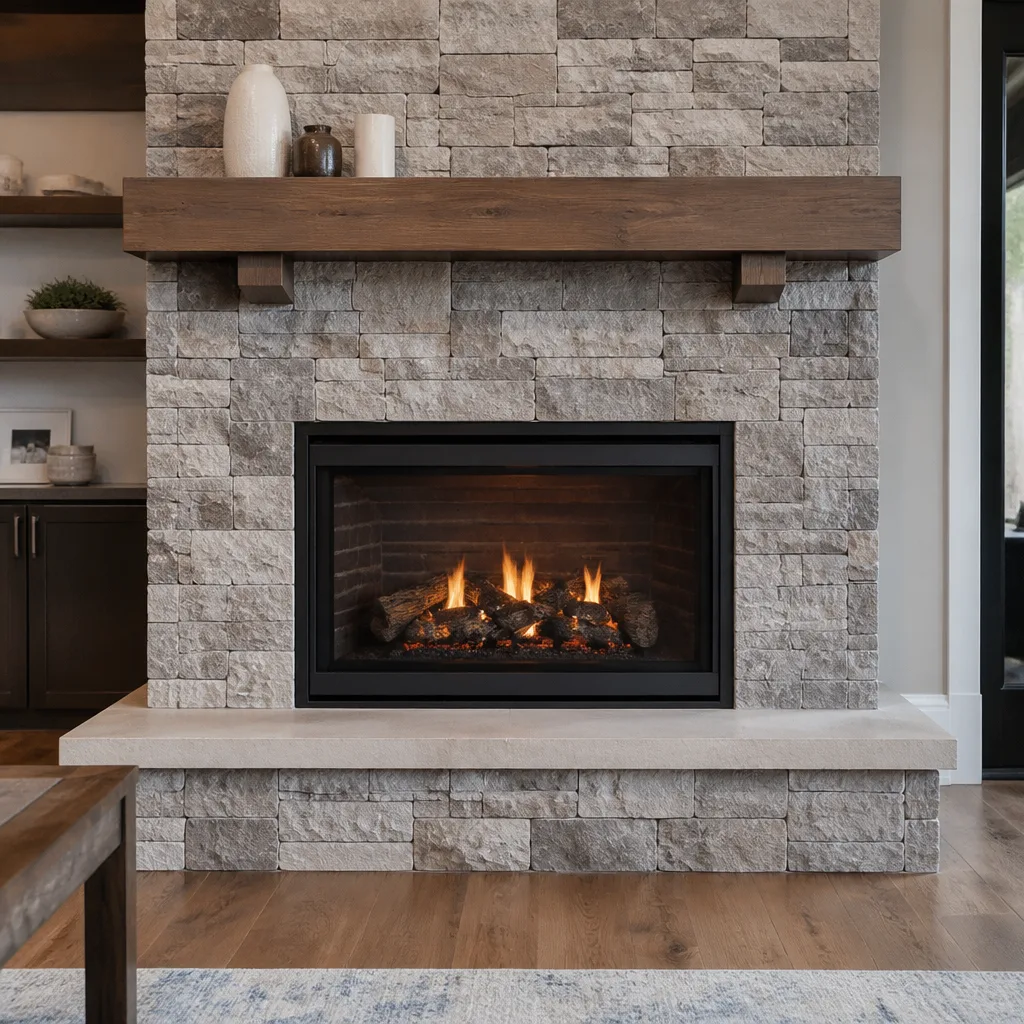 Gas fireplace service
Level 1 sweep and inspection to the NFPA 211 annual standard - flue, crown, cap, and flashing checked and photographed
Chimney sweep logs do not sweep chimneys. They loosen some creosote - which then falls where a brush and vacuum still have to collect it.
DIY vs Professional Chimney Cleaning: The Mariners Harbor Homeowner’s Decision Guide
You can buy a chimney brush kit and remove visible soot. That part is true, and it’s why so many homeowners in Mariners Harbor ask whether the professional sweep is really necessary. But you cannot see a hairline crack in a clay flue tile from above with a flashlight, and that crack is what starts the fire. The soot is the part you can reach. The danger lives in the parts you can’t. This guide lays out the narrow conditions where a brush kit makes sense, the conditions where it creates real liability, and what professional equipment and a documented inspection actually do for a house in Mariners Harbor.
Quick Answer
DIY chimney cleaning is a reasonable option only for a wood-burning fireplace with a known, intact flue liner, light first-degree soot, and a clean inspection on record from the past year. For everything else – an older flue of unknown history, a gas appliance, any glazed or tar-like creosote, or a chimney that hasn’t been professionally inspected – brush kits can’t get the job done safely, and professional sweeping with a camera inspection is what protects your home. In most Mariners Harbor rowhouses, the flue history is the deciding factor.
Styles & brands we work with
- Sweep & inspection
- Caps & crowns
- Flue relining
- Masonry repair
- Gas fireplace service
Table of Contents
- What a professional sweep actually does
- The decision matrix: when DIY is reasonable
- What brush kits can’t do: equipment gap explained
- Creosote degrees and why the third one is a different problem
- Insurance and legal exposure of an undocumented chimney fire
- The honest cost comparison for a Mariners Harbor rowhouse
- Frequently Asked Questions
What a Professional Chimney Sweep Actually Does
A professional sweep is not a big brush on a long pole. The work is a sequence that starts with protection and ends with documentation, and every step exists because a previous failure in that step caused a problem someone had to fix. In our experience, the customers most grateful for a documented inspection are the ones who later had to make an insurance claim and had a report in hand.
Here’s the sequence a proper professional sweep follows for a wood-burning chimney:
- Protect the room. Drop cloths go down over the hearth, the surrounding floor, and any nearby furniture before a single piece of equipment moves. A negative-pressure vacuum hooks up to the firebox opening to pull dust into a HEPA filter for the entire job.
- Inspect the firebox first. Before cleaning, the technician looks at the damper, the smoke chamber, the firebox walls, and the top of the firebox, which is one of the most common locations for hidden damage in older Mariners Harbor homes.
- Brush the flue from the top down. A rotary brush head is run on a flexible rod at controlled speed through the entire flue length. Rotary heads flex against the flue walls and knock down glazed deposits that a straight push-pull brush cannot touch.
- Vacuum everything the brushing loosened. The negative-pressure vacuum keeps the debris out of the room.
- Run a camera up the flue. This is the step that separates a professional sweep from a DIY brush job. A CCTV camera records the entire flue interior, and any cracks, gaps, missing mortar joints, or offset tiles show up on the screen.
- Document the findings. Photos and a written report go into the customer’s file. If any work is recommended, the technician shows the customer the exact camera frame that prompted it.
That last step matters more than most homeowners realize. It’s the reason we say we inspect before we recommend – nothing gets fixed until the camera shows why. When a pro sweeps a chimney in Mariners Harbor, they’re building a record of that flue’s condition that future technicians, insurers, and the next owner of the house can all rely on.
The Decision Matrix: When DIY Chimney Cleaning Is Actually Reasonable
DIY makes sense in a narrow set of conditions, and it’s fair to name them plainly. There are homes in Mariners Harbor where buying a brush kit and cleaning a lightly used fireplace is not reckless. The question is whether your situation meets all the criteria, not most of them.
DIY is a reasonable option when all of these are true
- You have a documented inspection from the past 12 months. A professional has looked up the flue with a camera and confirmed the liner is intact.
- The fireplace is wood-burning only, and it’s the only appliance on that flue. No gas insert, no oil furnace, no shared flue.
- The chimney cap is in place and undamaged. No animals, no water intrusion, no nest material sitting in the flue.
- You burn seasoned hardwood and the deposits are light, dry, and powdery. First-degree soot is what a hand brush handles. Anything else is out of scope.
- You have the right tools and a safe way to reach the roof. A proper brush sized to your flue, rods, drop cloths, and a solid footing on the roof – many Mariners Harbor rowhouses are steep enough at the roofline that this alone rules out DIY.
- You’re physically able to do it safely. Brushing a flue is upper-body work done at height, and a fall from a rowhouse roof is far more dangerous than a dirty chimney.
DIY creates real liability when any of these are true
- You don’t know the flue’s history. This is the most common situation in Mariners Harbor rowhouses, especially a house that changed hands recently. Unknown liner, unknown past use, unknown condition.
- The flue serves a gas appliance. Gas chimneys need a different inspection protocol because the flue gases are cooler and wetter, and the liner degrades differently.
- There is any glazed, shiny, or tar-like creosote. Brushing won’t remove it, and brushing can make it worse.
- You smell smoke in the room when the fireplace is running. That’s a sign of a draft or liner problem, not a dirt problem.
- A previous fire burned hot enough to discolor the cap or crack a brick. The flue almost certainly needs camera inspection.
- You’re preparing to sell the house or refinance. Buyers, appraisers, and insurers want a professional report, not a homeowner’s assurance.
If even one of the liability triggers applies, the honest recommendation is a professional sweep with camera inspection. The total cost is less than most homeowners assume, and it removes the guesswork entirely. For a full breakdown of the professional service itself, see our guide to scheduling a chimney sweep for a chimney the same way we’d explain it in person.
What Brush Kits Can’t Do: The Equipment Gap, Explained
The tools in a consumer brush kit were designed to knock loose soot off the flue walls. That’s the entire job they were engineered for. Professional chimney cleaning equipment was engineered for three things the kit can’t touch: glazed deposits, structural verification, and containment. Each of these is a separate capability, and each one is why professional sweeps exist as a trade.
Rotary cleaning systems
A push-pull brush uses muscle and gravity. A rotary system uses a motorized head that spins against the flue wall at a controlled speed, flexing against the curved clay tile and knocking glaze off the surface instead of sliding over it. In a Mariners Harbor rowhouse with a clay flue, glaze bonds hard to the tile, and the difference between a rotary head and a hand brush is the difference between removing the deposit and polishing it. Rotary systems also come in whip styles designed for smaller or offset flues, which are common in older houses.
CCTV liner inspection
A camera on a flexible reel runs the full length of the flue and shows the technician every joint, every tile edge, every mortar line, and the smoke chamber above the damper. Cracks that are invisible from the top of the flue show up on the screen. Tile offsets where sections of clay liner have shifted out of alignment show up on the screen. Missing mortar joints between tiles show up on the screen. If you can’t see these, you can’t decide whether the flue is safe, and a DIY brush kit gives you no way to see them.
Negative-pressure dust containment
A HEPA negative-pressure vacuum hooked to the firebox pulls air out of the chimney for the entire cleaning. Every particle the brush loosens gets captured instead of drifting into your living room. Consumer brush kits don’t include this, and the result is a fine layer of soot settling on every surface in the room. Professional sweeps don’t just clean better – they clean without leaving a mess to clean up after.
The equipment gap isn’t about status. It’s about visibility. A technician working on a Mariners Harbor chimney can see what’s happening inside the flue. A homeowner with a brush kit is working blind.
Creosote Degrees and Why the Third One Is a Different Problem
Creosote is the residue left behind when wood smoke cools on its way up the flue. It comes in three grades, and each grade requires a different approach. Most people who ask about DIY cleaning are picturing first-degree soot. They’re not picturing third-degree glaze, which is a completely different material.
First-degree creosote
Dry, powdery, light brown or gray, and flaky. It’s what you find in the flue of a fireplace that’s burned well-seasoned wood with good draft and gets swept regularly. A hand brush removes it, and a homeowner with proper equipment can handle it safely. This is the only grade DIY cleaning is built for.
Second-degree creosote
Harder, darker, and partly bonded to the flue wall. It flakes off in chips when you try to remove it, and it can look like hardened crust along the joints. A hand brush will knock off some of it and leave the rest behind. A rotary head removes it. Second-degree deposits are a sign that the chimney hasn’t been swept on a proper schedule or that the fireplace has been burning green wood. This is where DIY starts to leave real deposits behind.
Third-degree creosote
Glazed, shiny, tar-like, and difficult to remove even with professional tools. Third-degree creosote is fuel. It burns hot and it burns fast, and once it ignites, the fire spreads up the flue in seconds. A hand brush does nothing to it – the bristles slide right over the glaze. In our experience, third-degree glaze shows up in chimneys where the owner has burned unseasoned wood for several seasons without a sweep, or in older homes where the fireplace was operated without anyone knowing the flue needed attention. Removing third-degree creosote requires professional rotary equipment or, in severe cases, chemical treatment by a trained technician before cleaning. It is not a DIY situation.
If you suspect third-degree creosote in your chimney, don’t guess. Call (877) 792-7270 for a professional inspection. We answer 24/7. Fast dispatch from 7am to 7pm, Sunday through Friday.
Insurance and Legal Exposure of an Undocumented Chimney Fire
Here’s the part most DIY guides skip. A chimney fire that starts in a home with no professional inspection on record is a very different claim than the same fire in a home with a documented sweep. Insurance adjusters aren’t being unreasonable when they ask for proof of maintenance – they’re asking a standard question, and the answer matters to whether the claim proceeds normally.
When you file a chimney fire claim after a professional inspection and sweep, you have a written record showing:
- The date of the last professional inspection
- The condition of the flue at that time, with photos
- Any maintenance the technician recommended, and whether it was completed
- The date of the last professional cleaning
That record supports the claim. It shows the homeowner took reasonable steps to maintain the system.
When you file the same claim after years of DIY or no cleaning at all, the insurer has no way to know whether the fire was preventable. Many policyholders find the claim scrutinized more carefully, and in some cases an adjuster will argue the homeowner failed to maintain the system. The presence of third-degree creosote in a fire scene is a specific finding that insurers do look at.
If you’re selling a house in Mariners Harbor, the same principle applies before the sale. A buyer’s inspector will look at the chimney, and a documented sweep on file is a credibility item that shows up before the inspector ever climbs on the roof. It isn’t only the buyer’s peace of mind – it’s the integrity of your answer when they ask “when was this swept last?”
Documentation isn’t theater. It’s the reason professional sweeps write reports, and it’s the reason we recommend keeping the report with the house paperwork every time. For a home in Mariners Harbor where the flue history might be uncertain, having that record from the day you close is worth substantially more than what a brush kit saves.
Insurance conversations often raise a related question – whether the liner itself needs to be replaced. Our guide to what to do when it’s time for fireplace repair walks through the camera-evidence test we use before recommending any repair work.
The Honest Cost Comparison for a Mariners Harbor Rowhouse
Nobody should have to guess what a professional sweep costs while deciding whether DIY is worth the savings. Here’s what a realistic comparison looks like for a typical wood-burning rowhouse in Mariners Harbor. These are typical ranges, and the written estimate sets the final price – every job gets one before any work starts.
| Item | Typical Cost Range | What It Covers |
|---|---|---|
| DIY brush kit | $40 – $120 | Brush, rods, possibly a shop vac attachment |
| DIY personal protective equipment | $30 – $80 | Respirator, goggles, gloves, drop cloths |
| Professional chimney sweep (standard) | $180 – $340 | Rotary cleaning, HEPA vacuum containment, basic visual inspection, written report |
| Professional sweep with CCTV inspection | $250 – $450 | Everything above plus recorded camera inspection of the full flue, photos, and condition report |
| Sweep plus minor cap or crown repair | $320 – $600 | Cleaning, inspection, and repair of a compromised cap or crown |
| HeatShield flue resurfacing (if needed) | $1,200 – $2,800 | Restores a deteriorating flue without full liner replacement |
| DuraFlex liner installation (if needed) | $2,200 – $5,500 | Full stainless liner for a flue that can’t be resurfaced |
The DIY kit looks cheaper up front. But look at what’s actually happening in the comparison. The $40-$200 total is the homeowner’s full spend, and the homeowner gets a clean-ish flue with no inspection, no record, and no way to know whether the flue has a hairline crack. The $180-$340 sweep total includes the cleaning plus a documented inspection, and it’s the number that protects the homeowner if something goes wrong later.
What the comparison hides
The honest comparison has to include what’s not on the DIY side of the ledger:
- The cost of a professional inspection you skipped. If the flue needs attention and you didn’t have it looked at, the repair cost on the back end is dramatically higher than the cost of catching it early. A compromised clay liner becomes a HeatShield resurfacing job when caught at the right time – and a full DuraFlex liner when caught after the chimney fire.
- The cost of your time and risk. Climbing a rowhouse roof in Mariners Harbor to brush a flue is not a hobby. A fall is a serious injury, and the homeowner who climbs without proper fall protection is carrying risk that never shows up on a receipt.
- The cost to the claim. As covered above, missing documentation has a real effect on how an insurance claim after a chimney fire plays out.
The comparison isn’t close. For a homeowner who knows their flue, burns clean wood, and has a recent inspection on file, DIY saves real money on a routine cleaning. For a homeowner who doesn’t know their flue, the professional sweep is the cheaper decision by a wide margin.
If the inspection turns up a cap or crown problem, we handle it as a single job – our chimney cap & crown work uses Gelco and Olympia Chimney components so the repair is manufacturer-backed, not whatever the local hardware store had in stock. One call covers cleaning, inspection, and repair.
How the Mariners Harbor Housing Stock Changes the Answer
Mariners Harbor is a working neighborhood on Staten Island’s north shore, and its housing stock is dominated by attached rowhouses and early-to-mid 20th-century construction. That matters for this decision because it shapes what a flue is likely to look like when a technician opens it up.
Three things consistently show up in the older rowhouses here:
- Unknown liner histories. Many of these homes have been through several owners, and the flue has often served different appliances over the decades – wood, then oil, sometimes back to a gas insert. Each fuel change leaves its own signature on the liner, and a homeowner who bought the house five years ago has no idea what happened before that.
- Offset flues and shared chimneys. Attached rowhouses often share a chimney stack with the neighbor, and the flue serving your fireplace may not be the one you think it is. If you’re not sure which flue is yours, brushing the wrong one is a genuine problem.
- Steep rooflines and limited roof access. Rowhouse roofs in this part of Staten Island aren’t always easy to stand on safely. The professional sweep has the fall protection and the access equipment to do the work from the roof safely. The DIY homeowner usually does not.
None of this is a strike against Mariners Harbor homes. It’s a reason to know your specific flue before deciding how to clean it. The neighborhood’s housing stock rewards a documented inspection more than newer construction does, because there’s more history that needs to be discovered.
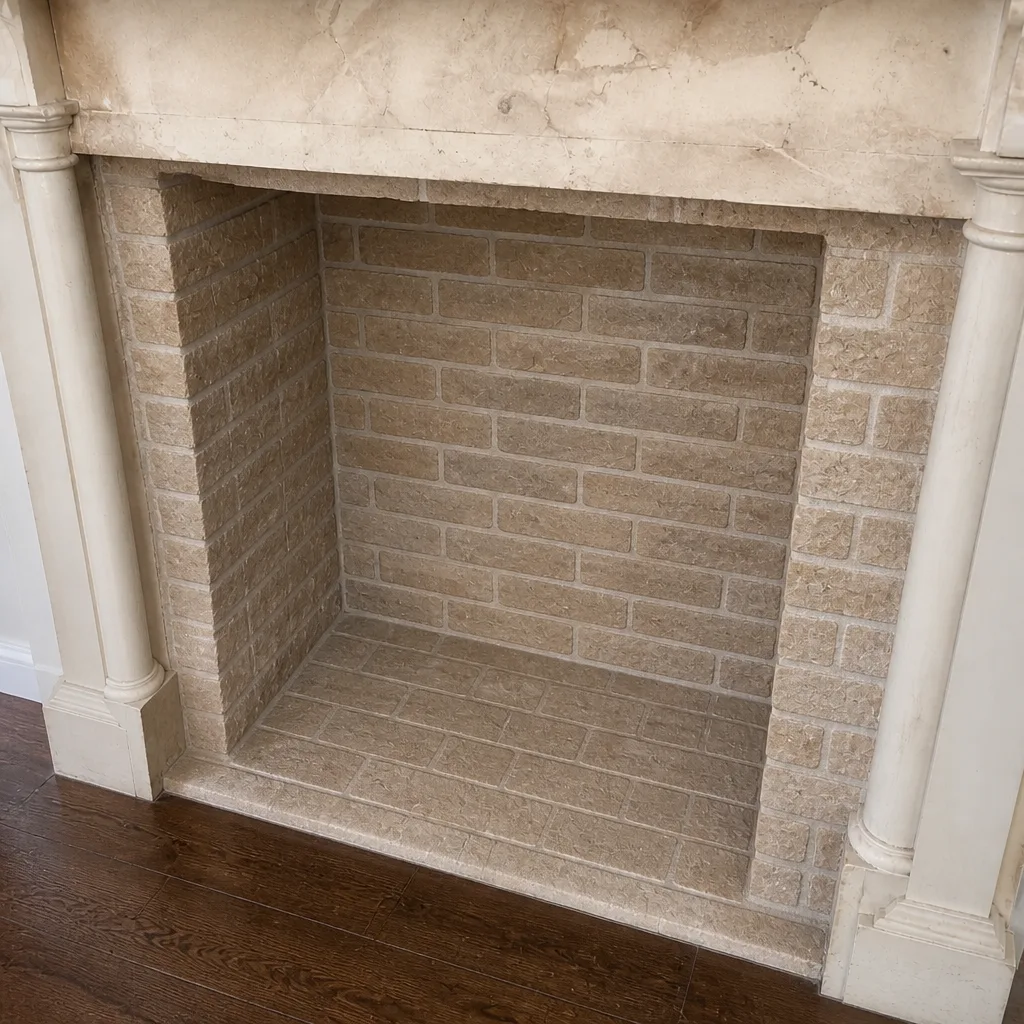
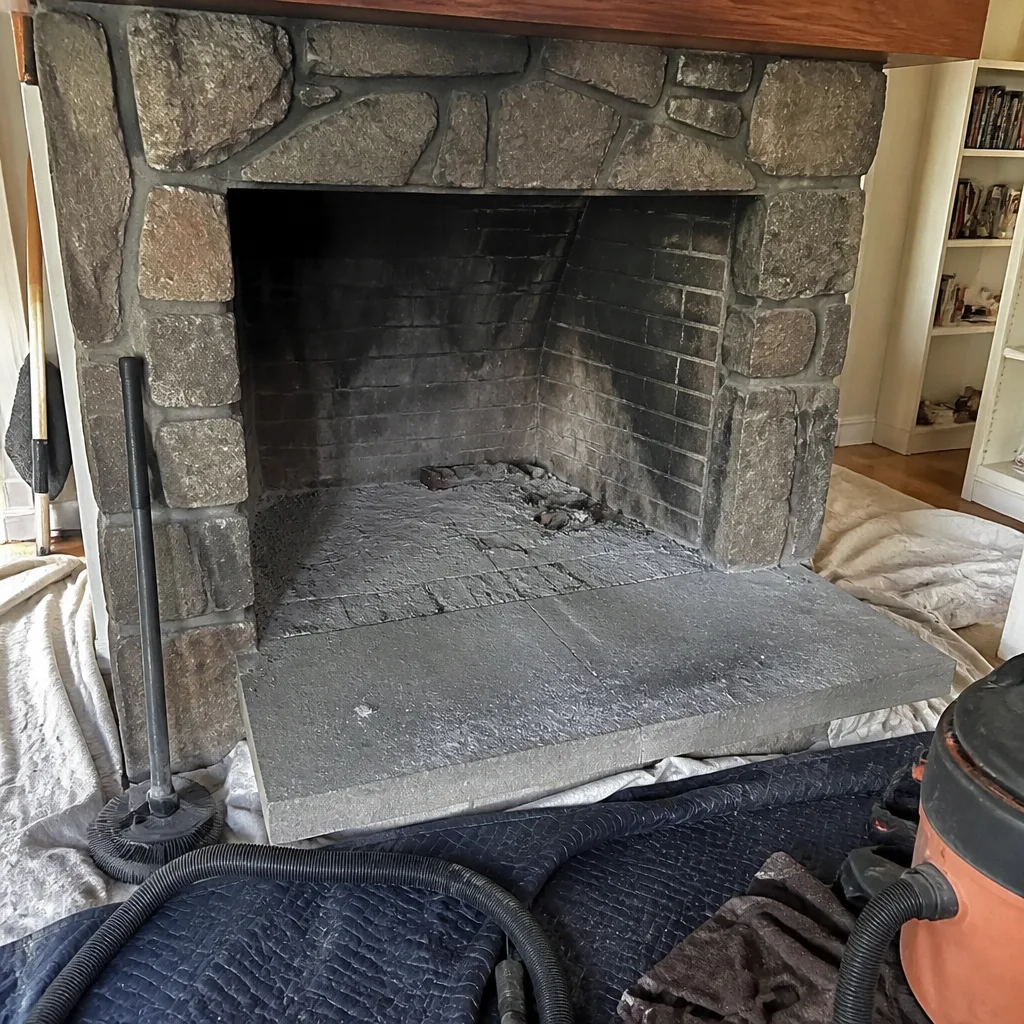
See the difference
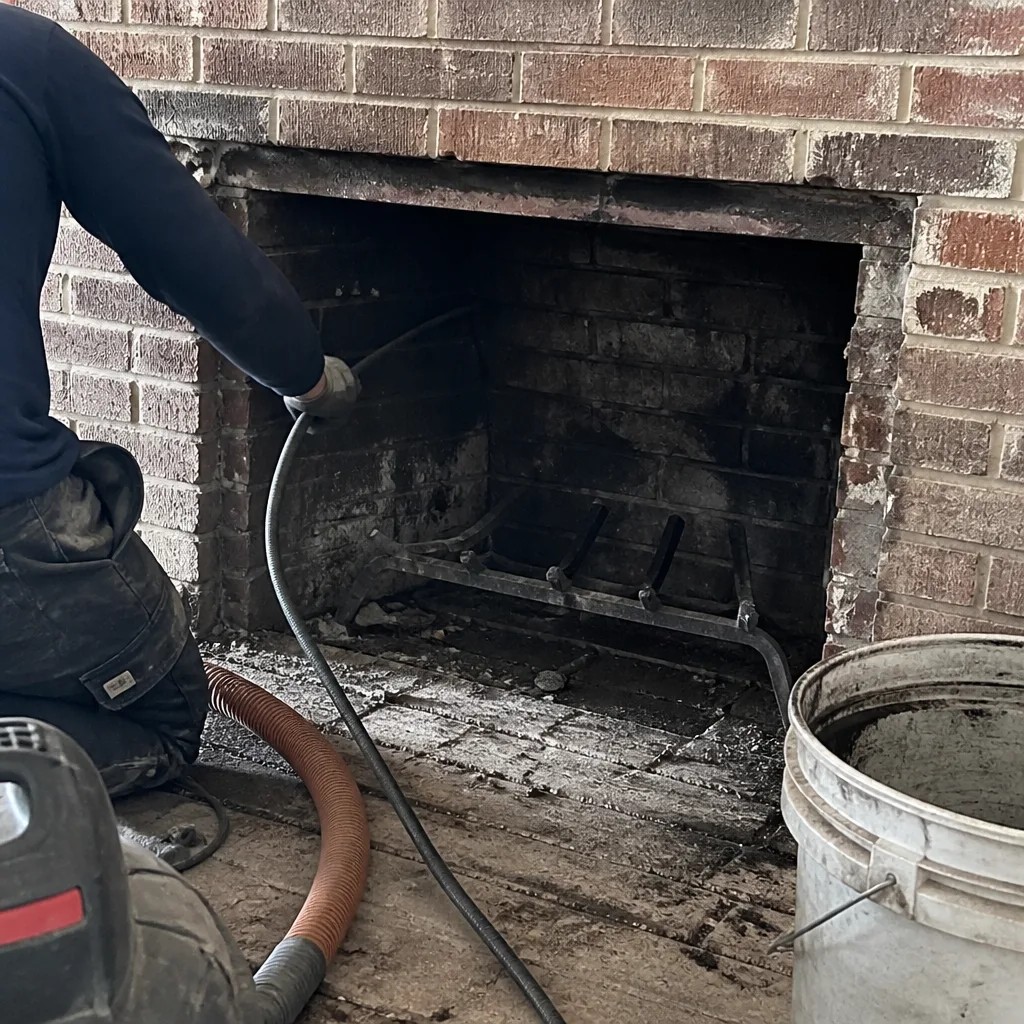 Before
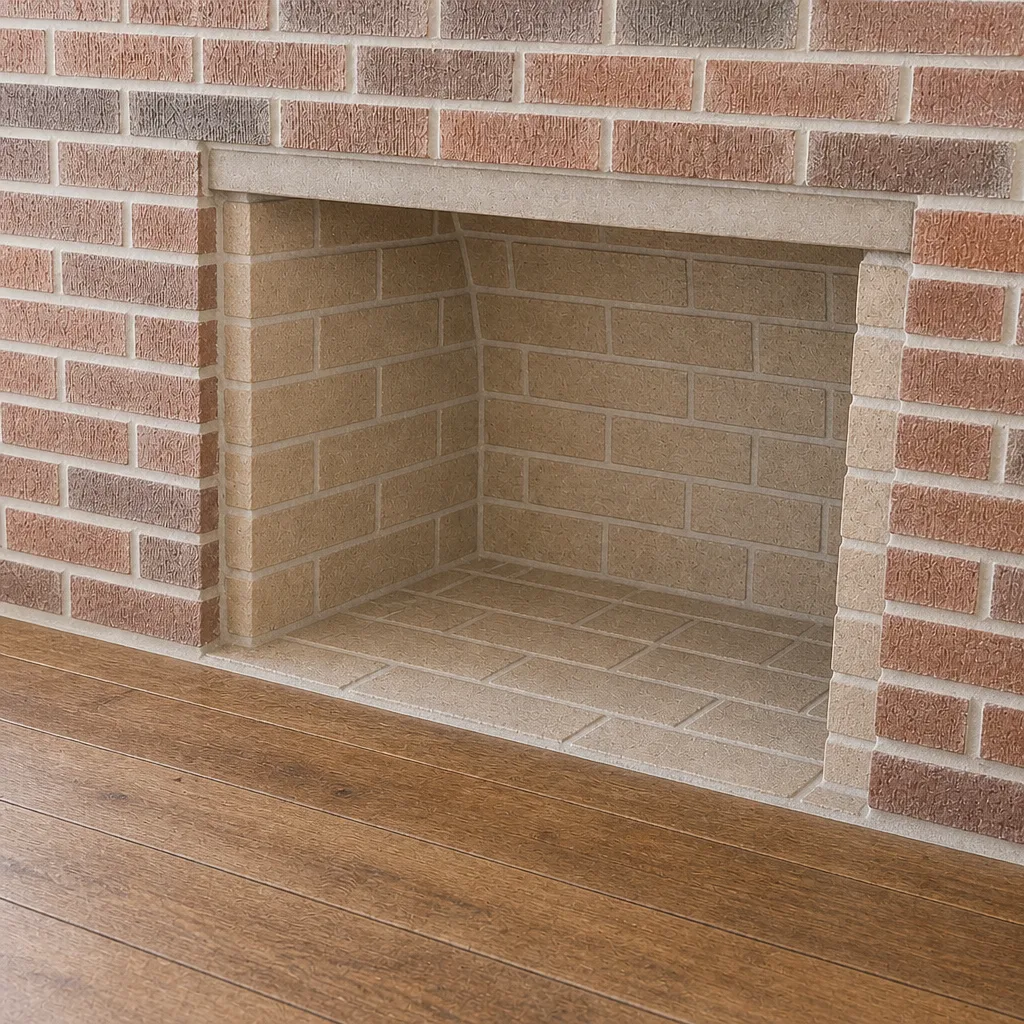 After
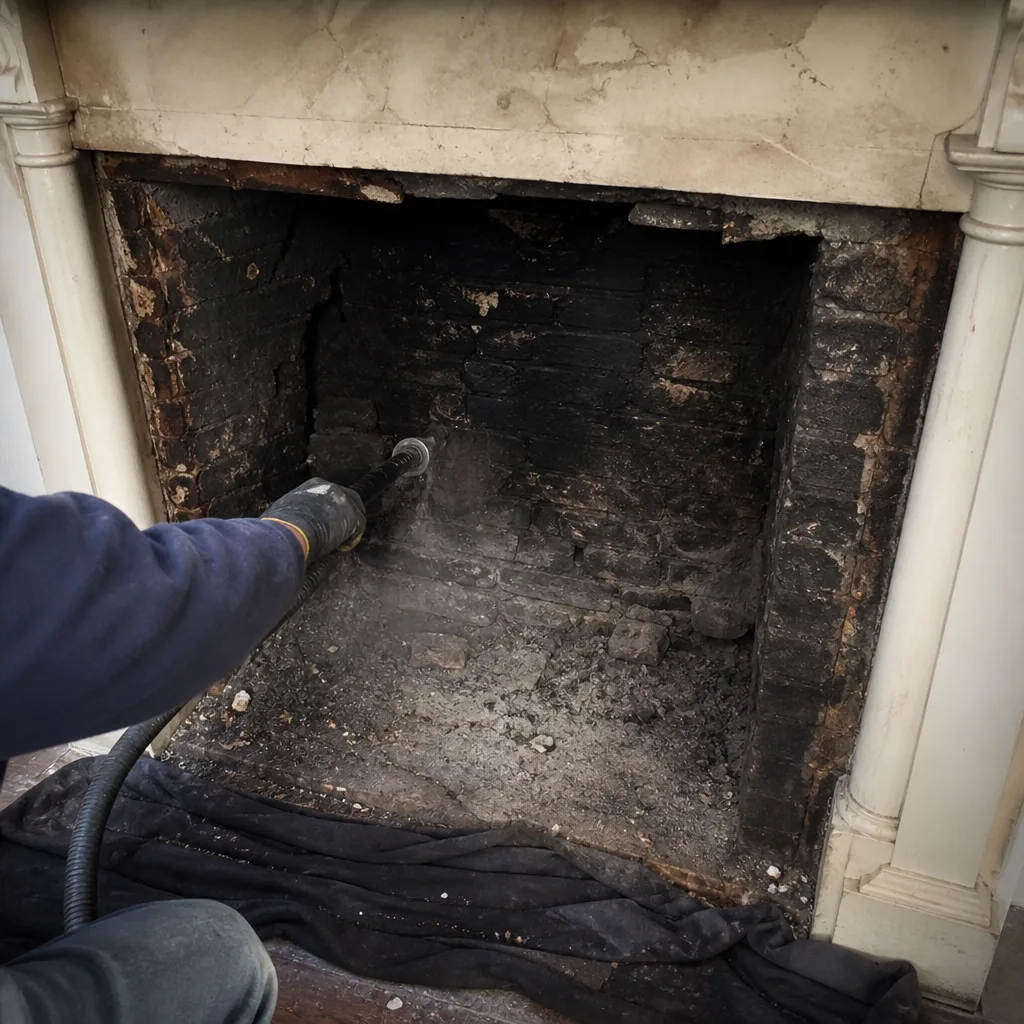 Before
 After
 Before
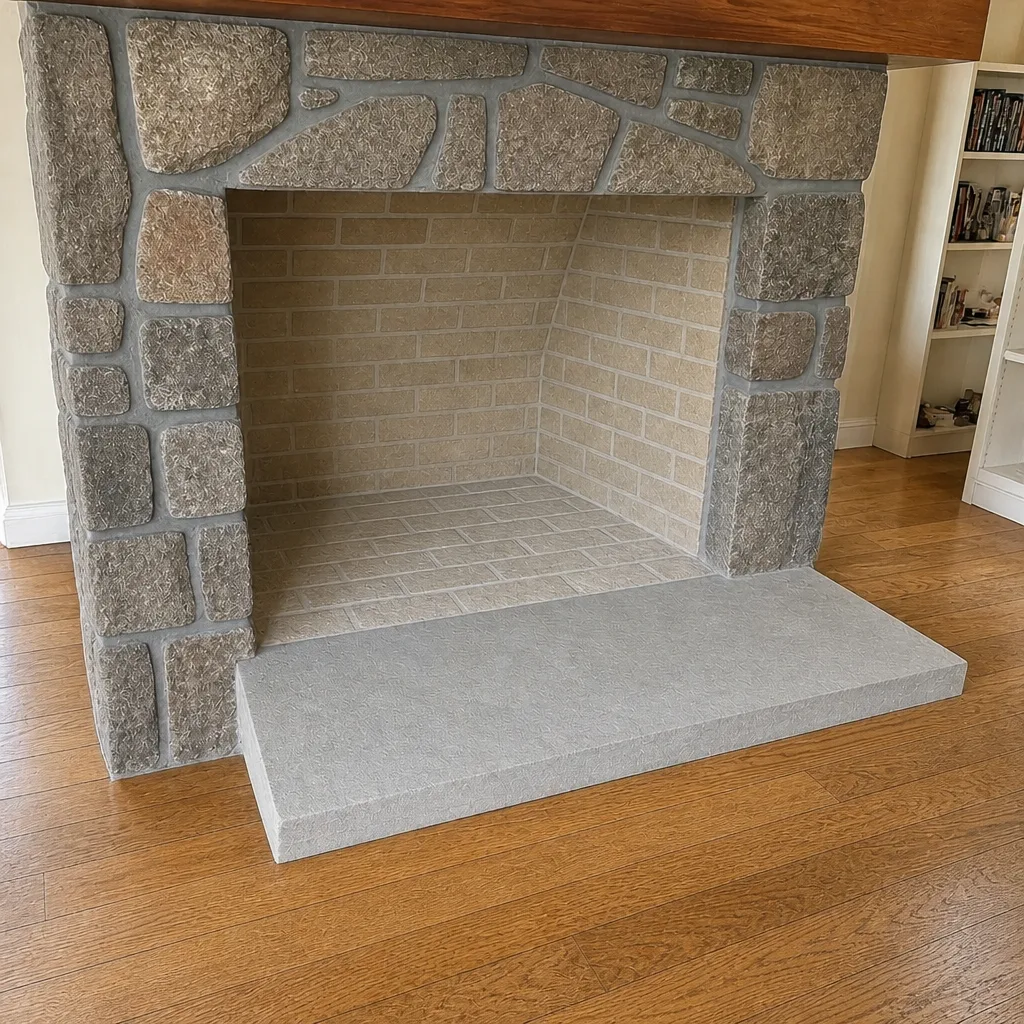 After
Common Mistakes to Avoid
- Assuming “no smoke in the room” means the chimney is fine. A flue with a hairline crack in a clay tile can draft perfectly with no visible symptom until the first chimney fire, when the crack lets fire through to the wood framing. Smoke back-draft is a symptom; its absence is not proof.
- Burning unseasoned wood to “stretch” the cord. Green wood produces more creosote per fire than dry wood, and in Mariners Harbor homes where the fireplace is a heat supplement through the winter, a couple of seasons of green wood can push a flue from first-degree soot into third-degree glaze. Season wood before burning it, and don’t shortcut the drying time.
- Using a brush that’s the wrong size for the flue. An undersized brush misses the flue walls. An oversized brush can damage the tile. The correct brush is sized to the flue interior, and it isn’t obvious from the firebox opening which flue dimension you’re dealing with.
- Skipping the cap inspection. A missing or damaged cap lets rain, snow, animals, and debris into the flue, and a nest in the flue is a fire waiting to happen. The cap is part of the chimney system, not an accessory.
- Cleaning from the firebox up instead of the top down. Bottom-up brushing loosens creosote that drops into the smoke chamber and the damper. Top-down is the standard method, and it’s why proper roof access matters.
- Not documenting the clean. A sweep with no written record is a sweep that never happened from an insurance perspective. Keep the report with the house paperwork.
- Trying to remove third-degree glaze with a hand brush. The brush won’t remove it, but it can polish the surface and make the glaze harder to detect on a later inspection. Leave third-degree deposits to a professional with rotary equipment.
When to Call a Professional
Call a professional sweep any time the flue’s history is uncertain – which, in Mariners Harbor, describes most homes that changed hands in the last decade. Call when the fireplace is a gas insert, when you’ve noticed smoke in the room, when the cap is missing or damaged, when you’re prepping the house for sale, or when the last cleaning was more than a year ago by anyone’s hand. Call after any chimney fire, even a small one you put out yourself. And call if you own a rowhouse and have never had the flue inspected with a camera – that inspection is the whole point. Chimney Sweep Mariners Harbor offers free estimates in Mariners Harbor – call (877) 792-7270. We answer 24/7. Fast dispatch from 7am to 7pm, Sunday through Friday.
Frequently Asked Questions
A standard professional chimney sweep in Mariners Harbor typically runs $180-$340, and a sweep with a full CCTV inspection runs roughly $250-$450. The written estimate we provide before any work sets the final price, and the inspection portion is what protects you if the flue turns out to need attention. Call (877) 792-7270 for an exact quote – estimates are free.
You can clean your own chimney safely only if the flue liner is confirmed intact by a professional inspection from the past 12 months, the deposits are light dry first-degree soot, the fireplace is wood-burning only, and you can safely access the roof. If any one of those conditions isn’t met, self-cleaning can’t verify the liner, can’t remove glazed creosote, and can’t produce the documented inspection you’d want if something went wrong. In that case, call a professional. Call (877) 792-7270 for an exact quote – estimates are free.
Most wood-burning chimneys need sweeping once a year, or more often if the fireplace gets heavy use through the winter. The general guidance is to have the chimney inspected annually and swept whenever the inspection shows deposits of a sixteenth of an inch or more. In Mariners Harbor homes where the fireplace runs as a heat supplement, we’d suggest an inspection every year and plan on an annual sweep at a minimum. Call (877) 792-7270 for an exact quote – estimates are free.
Creosote builds up on the flue walls over time, and once it reaches the glazed third-degree stage, it becomes fuel that can ignite and send a chimney fire up the flue within seconds. Even before that, an uncleaned flue restricts airflow, drafts poorly, and puts carbon monoxide at greater risk of backing into the living space. Skipping regular cleaning doesn’t cause a problem today – it makes one inevitable eventually. Call (877) 792-7270 for an exact quote – estimates are free.
Chimney fires are generally covered by homeowner’s insurance, but the claim will be evaluated against the maintenance record, and a documented professional inspection makes the claim much easier to support. Where there’s no maintenance record and the flue shows severe third-degree creosote, an adjuster may question whether the loss was preventable. Keeping your sweep reports with the house paperwork is the simple answer. Call (877) 792-7270 for an inspection – estimates are free.
You need a new liner only when the camera inspection shows the existing liner can’t be restored – and that decision should always be made from evidence you can see. In many cases a deteriorated flue can be restored with HeatShield flue resurfacing instead of full liner replacement, which is a difference of thousands of dollars. We never recommend liner work without showing you the camera footage first. Call (877) 792-7270 for an exact quote – estimates are free.
No. Gas fireplaces need a different inspection protocol, and the flue gases are cooler and wetter, which means the liner and venting degrade in ways you can’t see from the firebox. Gas venting is not a DIY cleaning situation – it requires a professional inspection with the right equipment. For gas fireplace concerns, call a professional. Call (877) 792-7270 for an exact quote – estimates are free.
The Bottom Line
DIY chimney cleaning is a real option for a narrow set of conditions: a wood-burning fireplace with a confirmed intact liner, light first-degree soot, a recent inspection on file, and safe roof access. In those conditions, the brush kit does its job. Outside those conditions – an unknown flue history, a gas appliance, second-degree or third-degree creosote, or any crack or offset the brush can’t see – the DIY kit leaves you with a dirty-looking flue and no way to know whether it’s safe. For most Mariners Harbor homeowners, the professional sweep with a camera inspection is the cheaper decision by a wide margin, and it’s the only one that produces a documented record you can use later if you ever need to. If you’re not sure where your flue stands, that’s the question to answer first.
Chimney Sweep Mariners Harbor offers free estimates in Mariners Harbor. Call (877) 792-7270. We answer 24/7. Fast dispatch from 7am to 7pm, Sunday through Friday. For a full look at the service, see our Chimney Sweep Mariners Harbor page. Whether you’re on the DIY side of the line or the professional side, the decision should be made from what the camera shows – not what the brush kit guessed.
Written by the team at Chimney Sweep Mariners Harbor.