
Last updated November 23, 2026
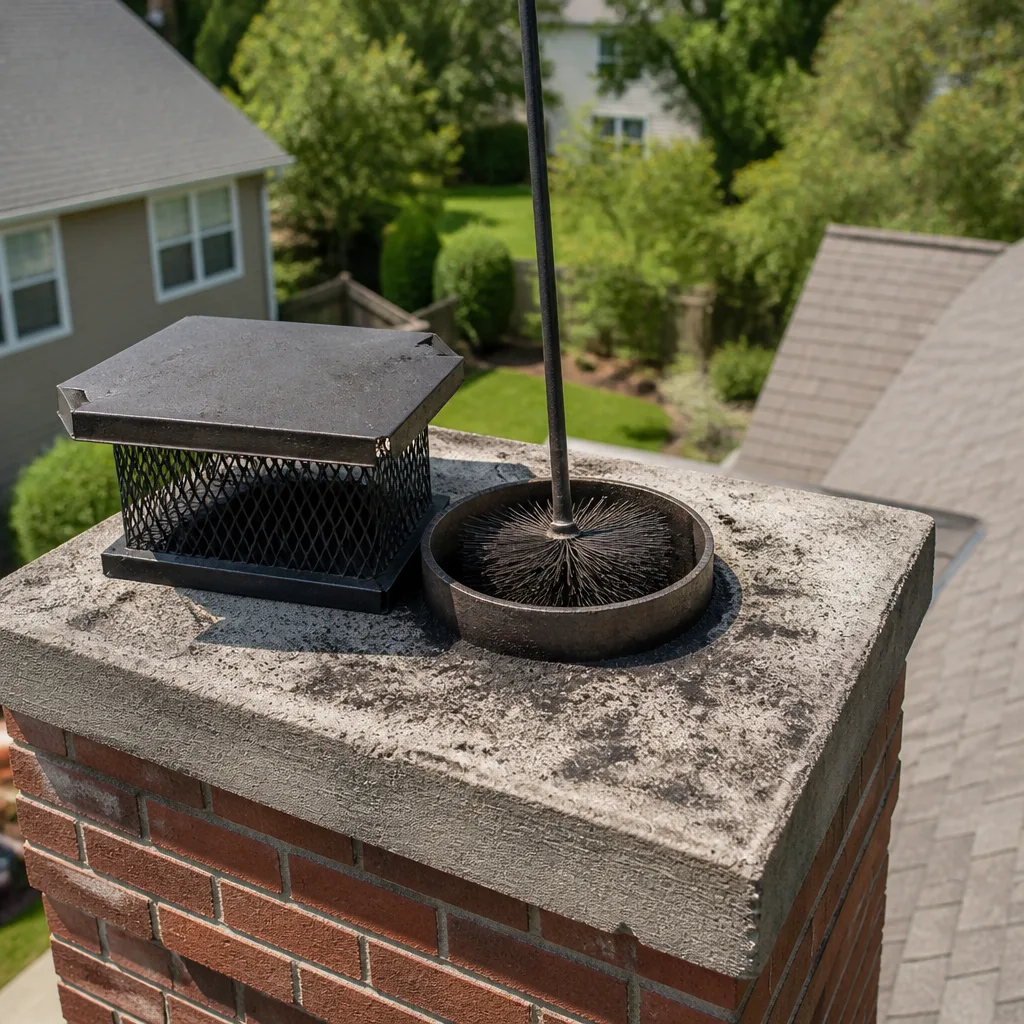 Sweep & inspection
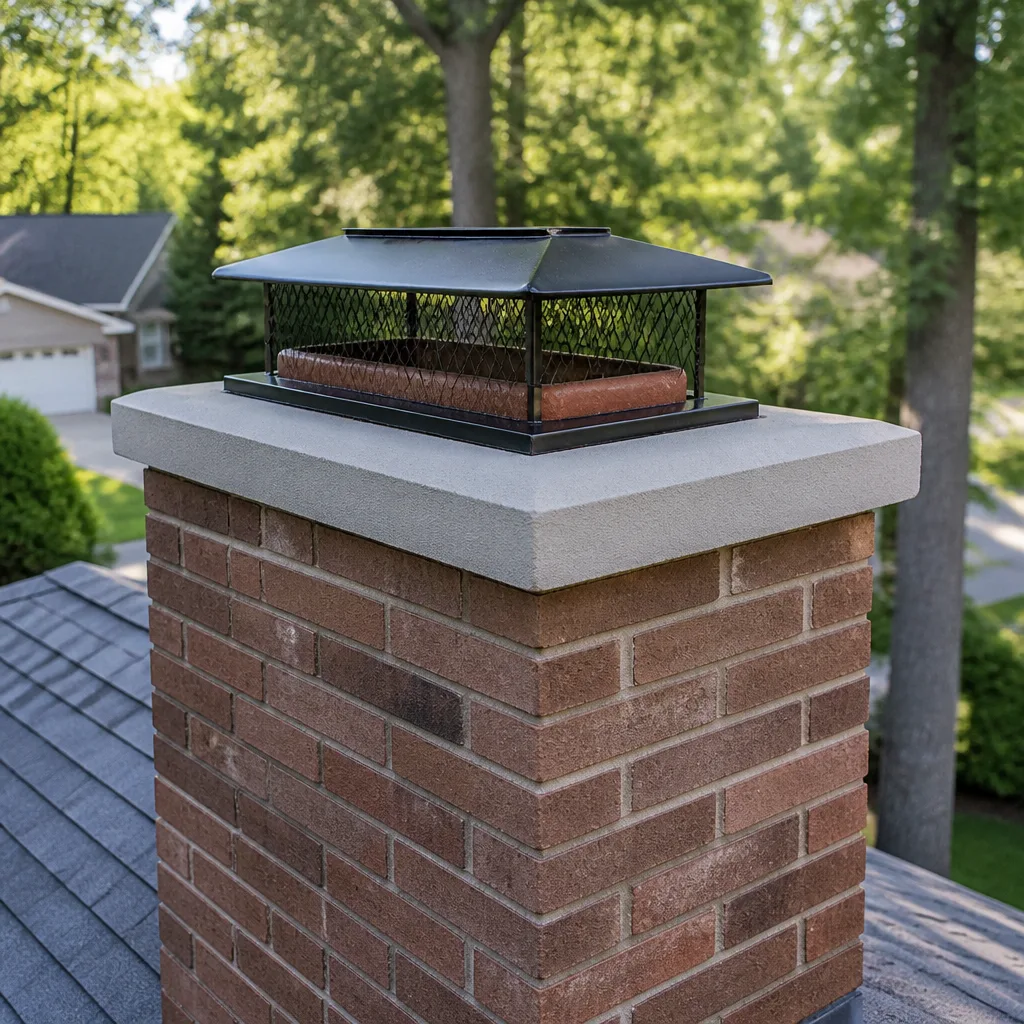 Caps & crowns
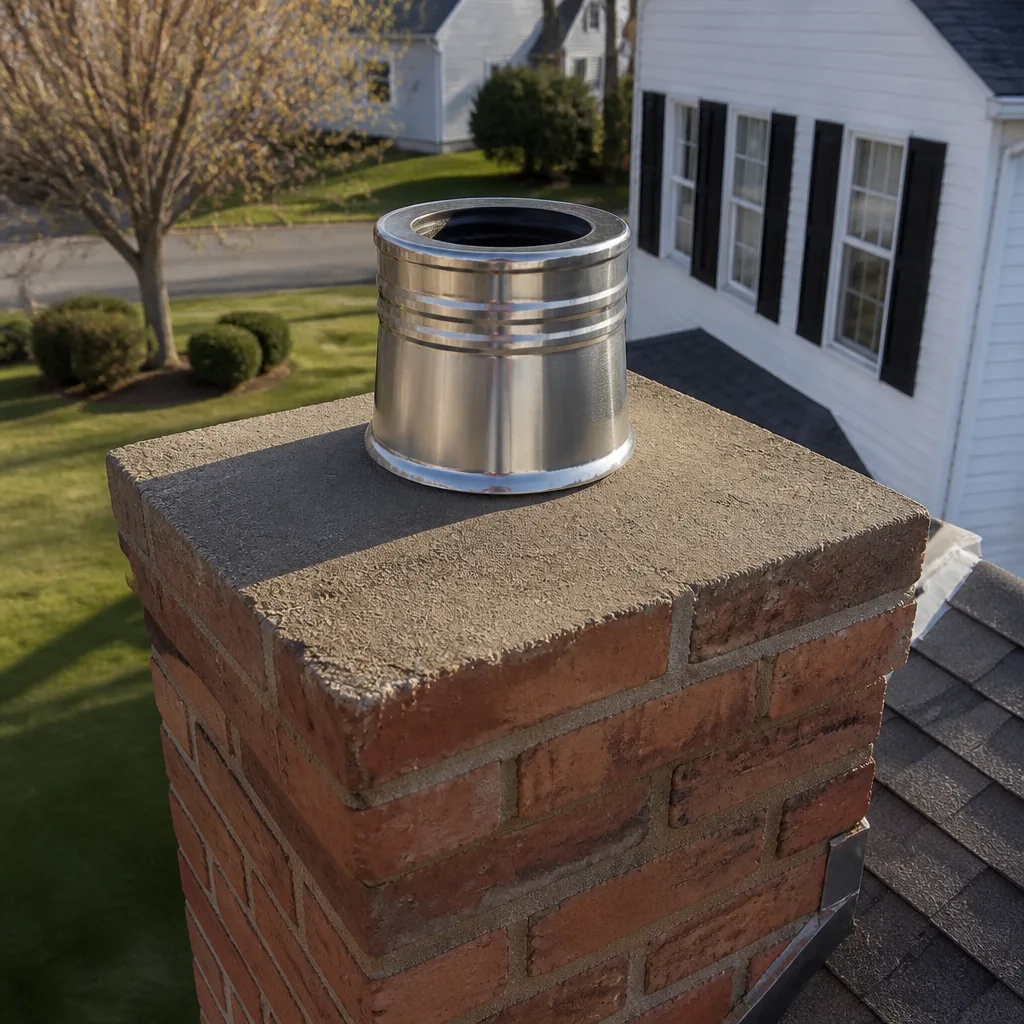 Flue relining
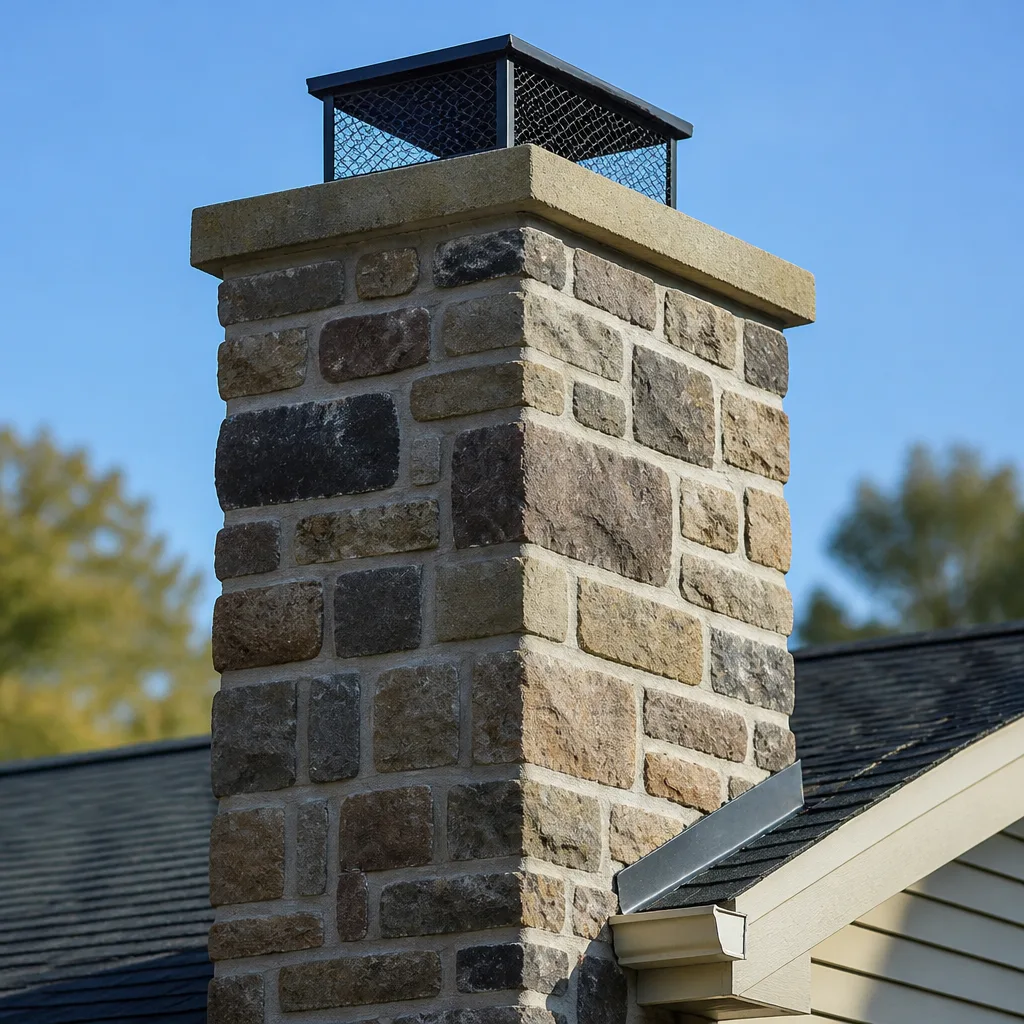 Masonry repair
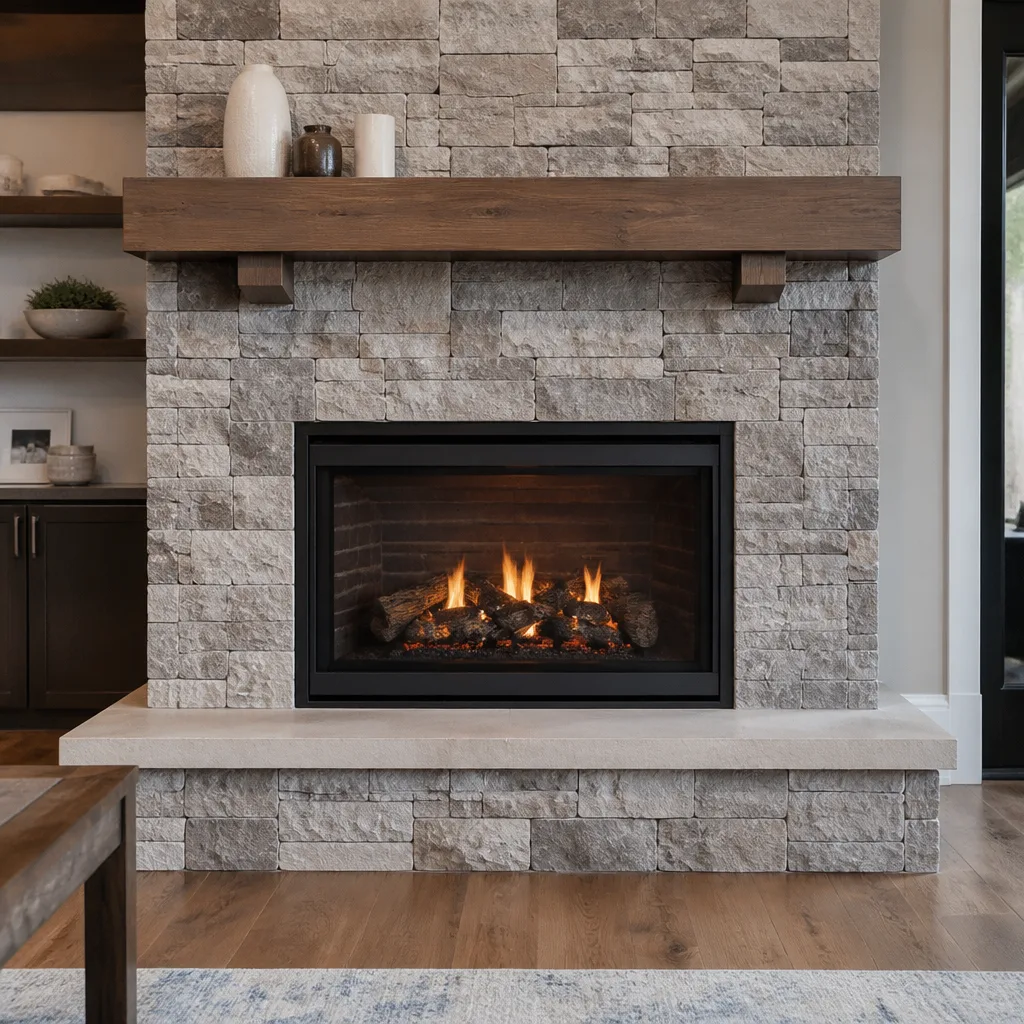 Gas fireplace service
Level 1 sweep and inspection to the NFPA 211 annual standard - flue, crown, cap, and flashing checked and photographed
Chimney sweep logs do not sweep chimneys. They loosen some creosote - which then falls where a brush and vacuum still have to collect it.
Seasonal Chimney Cleaning Care for Mariners Harbor: Year-Round Homeowner’s Guide
Most homeowners treat chimney care as a fall chore, something to handle the week the first cold snap hits. That habit is exactly backward. By late September, every sweep in the area is booked out weeks ahead, and you’re lighting fires in a flue nobody has looked at since last winter. Chimney problems don’t wait for autumn either. They build quietly through spring rain, summer humidity, and the first hard freeze. This guide walks you through a four-phase maintenance rhythm built around how Mariners Harbor weather actually behaves, from the nor’easters that batter crowns to the summer damp that quietly eats mortar. You’ll learn what to do each month, when to book, and what to watch for on a waterfront property.
Quick Answer
The best time to schedule your annual chimney sweep in Mariners Harbor is late August through mid-September, before the fall rush fills every calendar. Year-round care follows four phases: a spring shutdown and moisture check, summer repairs while the weather is dry, a pre-season sweep and inspection in late summer, and winter monitoring through firing season. Skipping any phase lets a small problem grow into a structural one by the next spring.
Styles & brands we work with
- Sweep & inspection
- Caps & crowns
- Flue relining
- Masonry repair
- Gas fireplace service
Table of Contents
- Why Mariners Harbor Chimneys Follow a Four-Phase Year
- The Mariners Harbor Month-by-Month Task Map
- Why Summer Is the Best Time to Fix Moisture Damage
- Preparing Your Fireplace for the Off-Season
- The Optimal Pre-Season Sweep Window
- Post-Storm Inspection: What a Nor’easter Can Do in One Event
- What to Watch During Firing Season
- When to Call a Professional
Why Mariners Harbor Chimneys Follow a Four-Phase Year
Chimney wear isn’t linear. It moves in steps that track the seasons, and each step creates a different kind of problem if you let it slide. In Mariners Harbor, that rhythm is shaped by four distinct weather patterns: the wet nor’easters of late winter and early spring, the humid summer air off the water, the dry early-fall window when firing season begins, and the hard freeze cycles that arrive in November and hold through February.
Each phase stresses the chimney in a specific way. Spring rain finds its way into cracked mortar and hairline crown fractures. Summer heat bakes that trapped moisture into the masonry, and the damage spreads. The first hard freeze turns any remaining water into expanding ice, which is what finally pops brick faces and opens joints wide. By winter, you’re firing a chimney whose exterior has been quietly deteriorating since March.
The four phases look like this:
- Spring (March – May): Shut down the fireplace, clear out ash and soot, and check for moisture intrusion after the last nor’easter. This is when water damage is easiest to catch early.
- Summer (June – August): The dry window for repairs. Crown work, cap replacement, flashing fixes, and flue resurfacing all happen best now, when materials cure properly and there’s no fire in the box.
- Early Fall (late August – mid-September): The pre-season sweep and inspection. This is the window before the booking rush, and it’s when you confirm the flue is clean and structurally sound before the first fire.
- Winter (November – February): Monitor and maintain. Watch for draft problems, creosote buildup, and any new cracks that open with the freeze-thaw cycle.
Homeowners who follow this rhythm rarely face a surprise repair. Those who skip it tend to discover problems the hard way, usually in December, when every sweep in Mariners Harbor is already booked and the flue is the last thing anyone wants to think about.
The Mariners Harbor Month-by-Month Task Map
Generic seasonal guides tell you to “clean your chimney in the fall.” That’s not useful. Here’s a task map tied to how the weather in Mariners Harbor actually moves through the year, so you know what to do and when.
January – February: Deep Winter Monitoring
This is peak firing season. Check the firebox for creosote glaze after every few fires, keep an eye on draft strength, and listen for any change in how the flue draws. A chimney that suddenly smokes back or drafts poorly in mid-winter is telling you something has changed inside.
March – April: Spring Shutdown and Moisture Check
After the last fire, sweep out ash and soot and look for water staining on the firebox walls or smoke chamber. The late-winter nor’easters are the biggest driver of crown and flashing damage in this area, so this is the month to walk the exterior and check for cracked mortar or a shifted cap.
May – June: Early Summer Inspection
Book your inspection now if you want the repair window open before the humidity peaks. A professional can assess the flue, crown, and cap and tell you what needs attention before summer repairs begin.
July – August: Repair Season
The dry months are when crown repair, cap replacement, flashing work, and flue resurfacing get done. Materials cure correctly in this window, and there’s no fire in the box to work around.
Late August – Mid-September: Pre-Season Sweep
This is the window to book your fall sweep before the rush. Get the flue cleaned and inspected now, and you’ll light the first fire of the season in a chimney you know is sound.
October: Final Pre-Fire Checks
Confirm the damper operates smoothly, the cap is secure, and the firebox is clear. If your sweep flagged anything in September, this is the month to get it fixed before the cold sets in.
November – December: Freeze-Thaw Watch
Hard freezes arrive. Watch for new cracks in the exterior masonry, spalling brick faces, or white efflorescence on the chimney stack. These are signs that moisture got in and the freeze is now doing damage.
This map isn’t a rigid schedule; it’s a rhythm. But if you follow it, you’ll stay ahead of the two things that cause the most chimney damage in Mariners Harbor: water intrusion and deferred maintenance.
Why Summer Is the Best Time to Fix Moisture Damage
Summer is the best time to address moisture damage because the masonry is dry, the weather allows proper curing, and there’s no fire in the flue to work around. But the deeper reason is what happens if you wait. Untreated moisture damage doesn’t sit still through the summer. It spreads.
Here’s the mechanism. Water gets into the masonry through a cracked crown, a failed flashing, or porous brick. In summer, that moisture is trapped inside the chimney structure, and the heat pulls it toward the interior, where it can degrade the mortar joints from the inside out. The damage is invisible until the first freeze.
When November arrives and the temperature drops below freezing, any water still trapped in the masonry expands. That expansion is powerful enough to spall brick faces, widen mortar joints, and crack the crown further. A hairline crack in July becomes a structural issue by December.
What summer repair actually involves depends on what the inspection finds:
- Crown repair or replacement: The crown is the concrete cap at the top of the chimney that sheds water. A cracked crown is the most common entry point for moisture. Repairing or replacing it in summer means the new material cures fully before the freeze.
- Flashing repair: The metal flashing where the chimney meets the roof is a frequent leak point, especially after a nor’easter. Summer is the time to reseal or replace it while the roof is dry.
- Cap installation: A properly fitted cap keeps rain, snow, and animals out of the flue. Installing one in summer protects the flue through the winter.
- Flue resurfacing: If the flue liner has deteriorated, HeatShield resurfacing can restore it without a full liner replacement. This is a summer job because the material needs time to cure before firing season.
The key point: moisture damage compounds. The longer you leave it, the more work it takes to fix. Summer is when you stop the clock before the freeze does its damage.
Preparing Your Fireplace for the Off-Season
Shutting down the fireplace for the warm months isn’t just about cleaning out the ash. It’s about sealing the system against the two things that cause the most off-season damage in Mariners Harbor: animal nesting and moisture intrusion. Waterfront properties face both more acutely, because the moist air and the surrounding habitat make the chimney an attractive target for wildlife.
Here’s how to prepare a fireplace for the off-season, step by step:
- Remove all ash and unburned wood. Leftover ash holds moisture and attracts pests. Clear the firebox completely and dispose of the ash safely.
- Sweep the flue or schedule a sweep. Soot and creosote left over the summer can absorb moisture and corrode the liner. A spring sweep clears the flue before the humid months.
- Check the damper. Make sure it closes fully. A damper that stays open lets humid air and pests into the firebox all summer.
- Verify the cap is secure. A chimney cap is the first line of defense against birds, squirrels, and rain. If the cap is missing or damaged, animals will nest in the flue, and the blockage can be dangerous when you light the first fire of fall.
- Inspect the crown and flashing. Look for cracks or gaps that let water in. Summer is the time to seal them, before the freeze.
- Close off the firebox. If the fireplace won’t be used, a tight-fitting cover or sealed damper keeps moisture and pests out.
On a waterfront property, the moisture exposure is higher, and the surrounding trees and shoreline habitat make animal nesting more likely. That makes the cap and damper checks especially important. A cap installed or repaired with Gelco or Olympia Chimney components gives you a secure, manufacturer-backed barrier against both problems.
If you find evidence of nesting when you open the chimney in the fall, don’t light a fire until a professional has cleared and inspected the flue. A blocked flue is a carbon monoxide hazard.
The Optimal Pre-Season Sweep Window
The optimal pre-season sweep window in Mariners Harbor is late August through mid-September, roughly a three-to-four-week stretch before the fall rush begins. This is when contractor availability is still reasonable and inspection lead time is short enough to get any needed repairs done before the first fire.
Why this window specifically? Because the booking curve for chimney sweeps is steep. Homeowners who wait until the first cold snap to call will find schedules full for weeks, and some will light the first fire of the season without an inspection at all. The late-August window gets you ahead of that curve.
There’s also an inspection lead-time consideration. If the sweep finds a problem that needs repair (a cracked crown, a deteriorated liner, a damaged cap), you want enough runway to get the work done before firing season. Booking in late August gives you that runway. Booking in late October does not.
Here’s how to use the window well:
- Book the sweep and inspection together. A sweep without an inspection tells you the flue is clean but not whether it’s safe.
- Ask for a camera inspection of the flue. This is the only way to see the interior condition of the liner, and it’s the basis for any repair recommendation.
- Get the repair estimate in writing before the first fire. If the inspection finds something, you want the scope and price clear before you’re in a hurry.
- Schedule any repairs for the dry window. Late summer and early fall are still dry enough for crown and flashing work to cure properly.
A complete chimney system, not just a quick sweep, is what you’re after here. The pre-season visit should confirm the flue is clean, the cap and crown are intact, and the liner is sound. One call covers the cleaning, the inspection, and any repair you need, so you’re not chasing a second contractor in October.
If you’re in Mariners Harbor and you haven’t booked yet, this is the window to do it. Call chimney sweep scheduling directly and get on the calendar before the rush.
Post-Storm Inspection: What a Nor’easter Can Do in One Event
A single nor’easter or tropical system can do more chimney damage in a few hours than a full season of ordinary wear. The combination of driving rain, wind loading, and debris makes these storms the most common trigger for crown, cap, and flashing failures in Mariners Harbor. A post-storm inspection is the fastest way to catch the damage before it turns into a repair.
What a storm can do in one event:
- Crack or dislodge the crown. The concrete crown at the top of the chimney takes the full force of wind and rain. A crack that opens during a storm lets water straight into the masonry.
- Lift or damage the cap. A cap that isn’t properly secured can be shifted or torn off by high wind, opening the flue to rain and animals.
- Breach the flashing. The flashing where the chimney meets the roof is a common storm failure point. Once it’s breached, water runs down the chimney and into the house.
- Drive debris into the flue. Leaves, twigs, and even small animals can be pushed into the flue during a storm, creating a blockage that’s dangerous to light.
- Spall brick faces. Wind-driven rain soaks into the masonry, and the freeze that follows a late-season storm can pop brick faces off the stack.
After any significant storm, walk the exterior and look for obvious damage: a shifted cap, a crack in the crown, missing flashing, or fallen brick. If you see any of it, get a professional inspection before you light a fire. If you don’t see anything obvious, it’s still worth a look at the flue interior, because storm debris and hairline cracks aren’t visible from the ground.
Post-storm inspections are one of the most useful parts of a year-round care plan, and they’re the reason a single pre-season sweep isn’t enough for a Mariners Harbor home that takes a direct hit from a nor’easter. Call (877) 792-7270 for a post-storm inspection. We answer 24/7. Fast dispatch from 7am to 7pm, Sunday through Friday.
What to Watch During Firing Season
Once the first fire is lit, your job shifts from prevention to monitoring. Winter is when the problems you didn’t catch earlier show themselves, and it’s also when the freeze-thaw cycle does its most visible damage. Here’s what to watch for through the firing season.
Draft and Smoke
A chimney that drafts well in October and poorly in January is telling you something has changed. A partial blockage from creosote or a fallen piece of masonry, or a change in the cap or crown, can all reduce draft. If smoke rolls into the room when you light a fire, stop and get it checked.
Creosote Buildup
Creosote accumulates faster in cold weather, when the flue is colder and the smoke condenses more readily. Glazed creosote is the most flammable form, and it’s a chimney fire risk. Check the firebox and the flue access for buildup and schedule a mid-season sweep if you burn heavily.
Exterior Cracks and Spalling
Watch the chimney stack for new cracks, white efflorescence, or brick faces that are flaking off. These are signs of moisture penetration and freeze damage. They don’t fix themselves and they’ll get worse with each freeze.
Carbon Monoxide
A blocked or damaged flue can let carbon monoxide into the home. Make sure you have working carbon monoxide detectors on every level, and treat any draft problem or smoke backdraft as a reason to stop using the fireplace until it’s inspected.
Winter monitoring isn’t about doing repairs yourself. It’s about noticing changes early so a professional can address them before they become structural. If something looks wrong, call. We answer 24/7. A call outside dispatch hours is booked into the next opening, Sunday through Friday, 7am to 7pm.
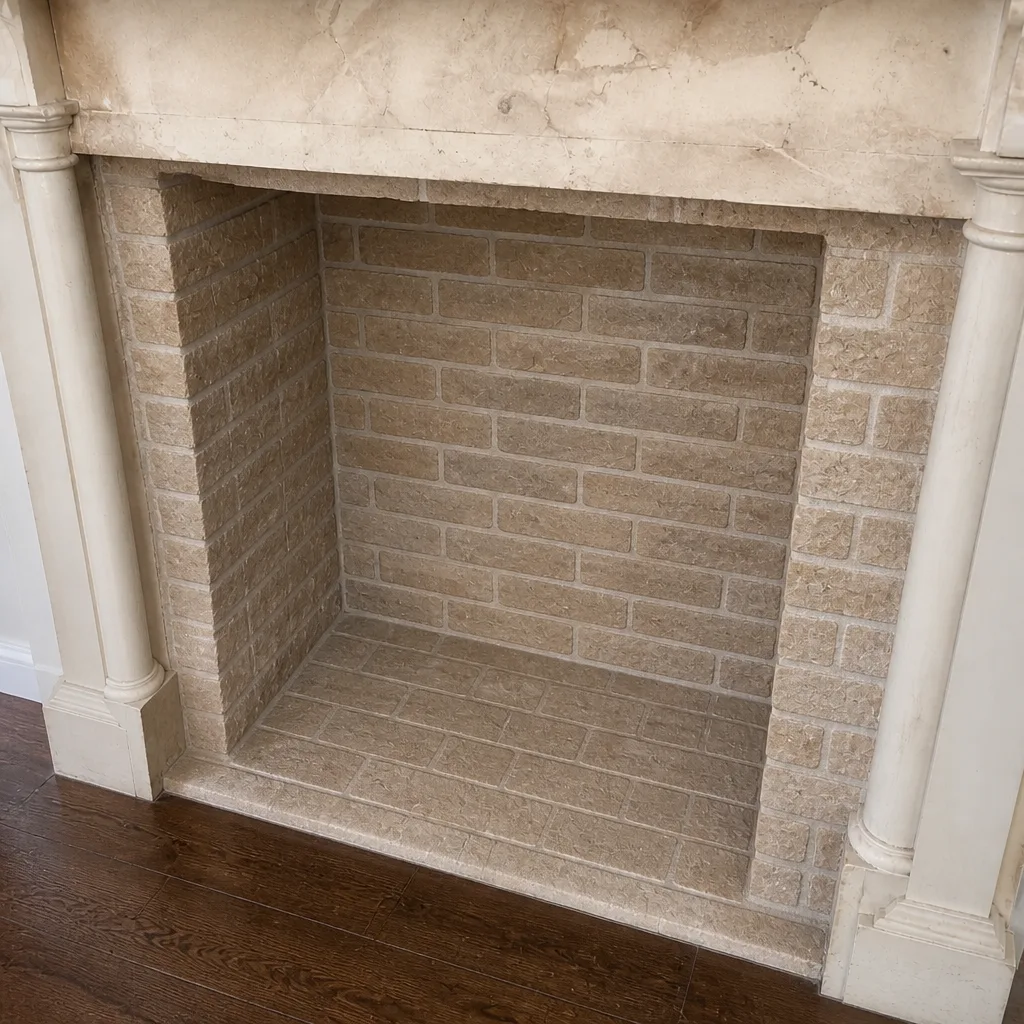
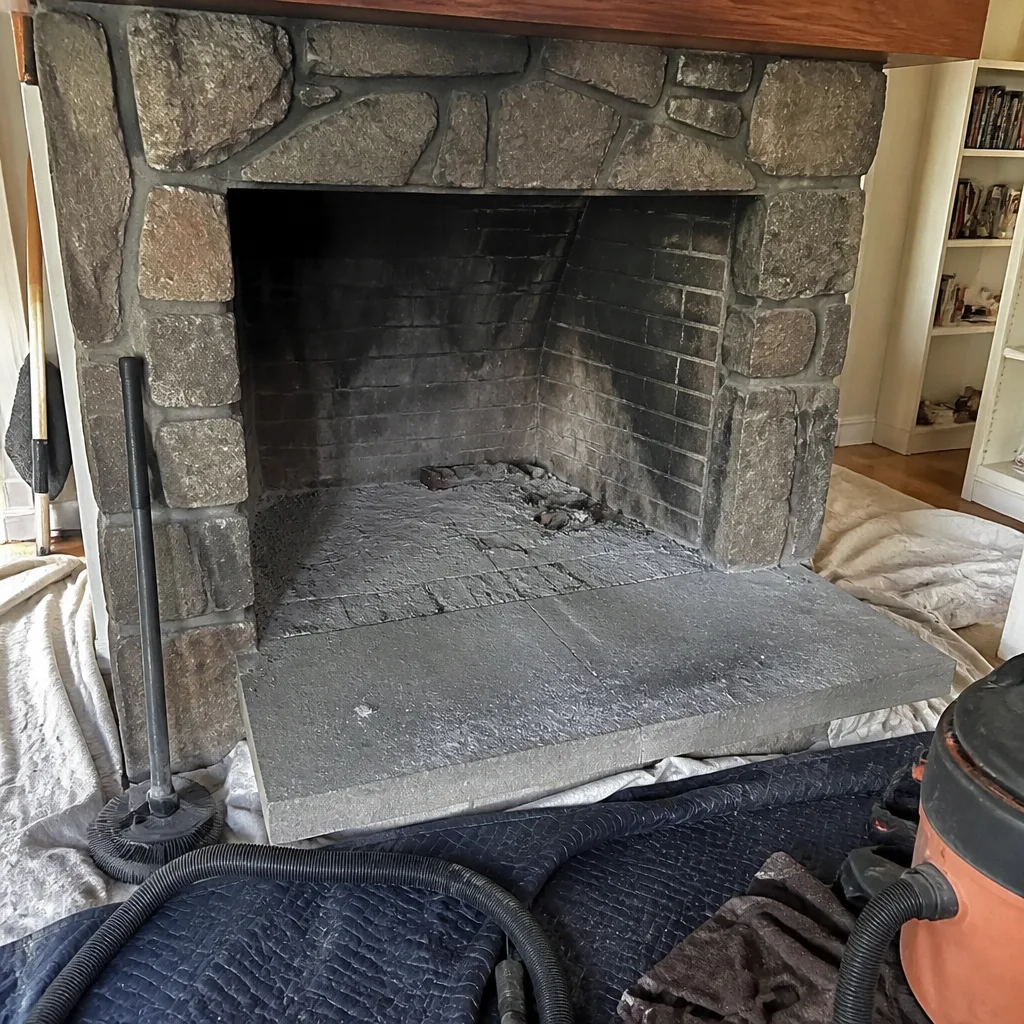
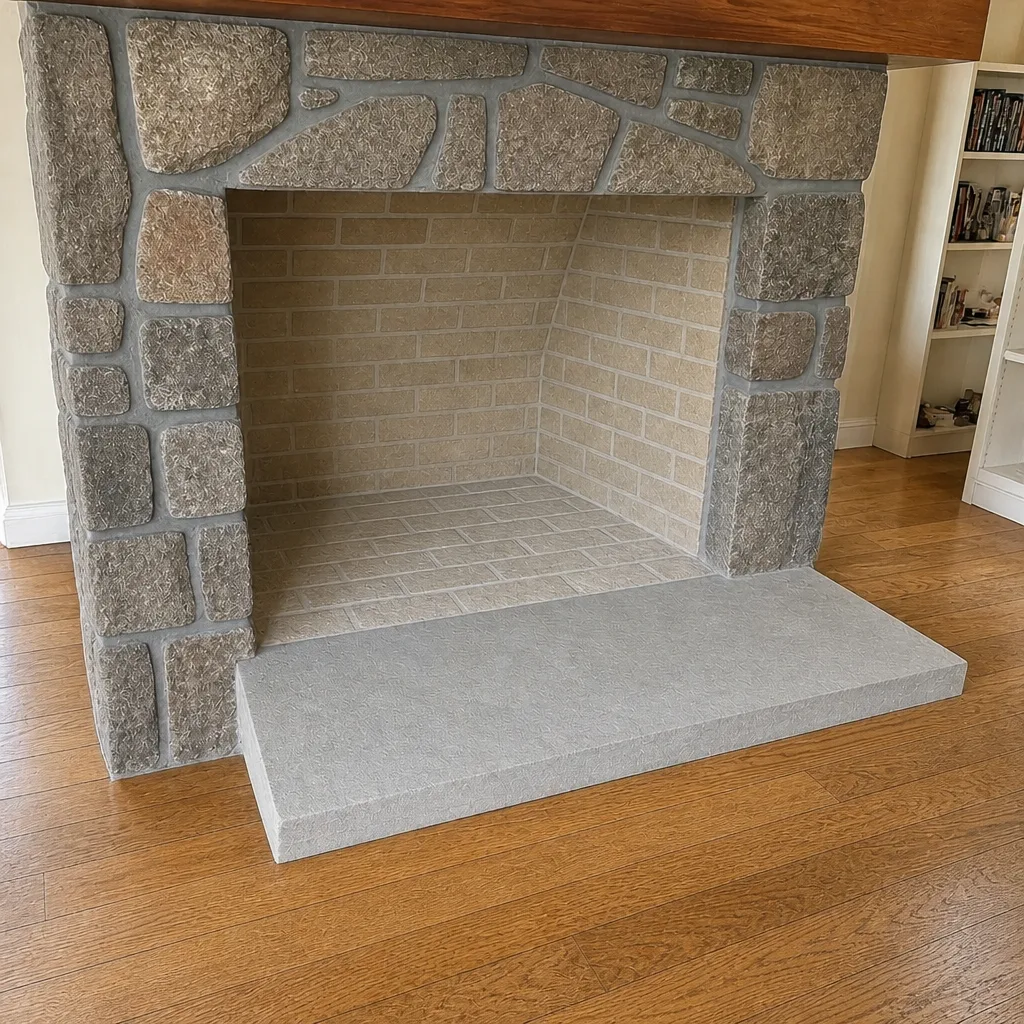
See the difference
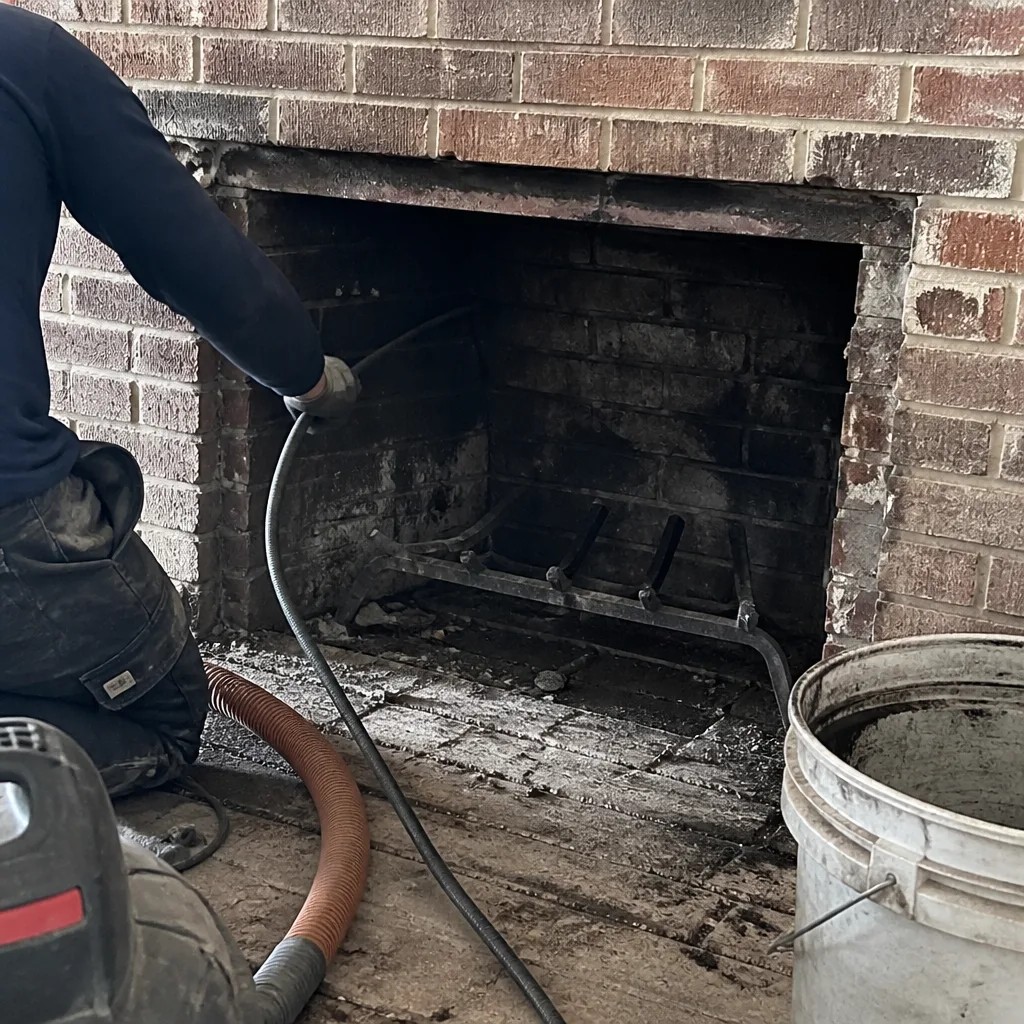 Before
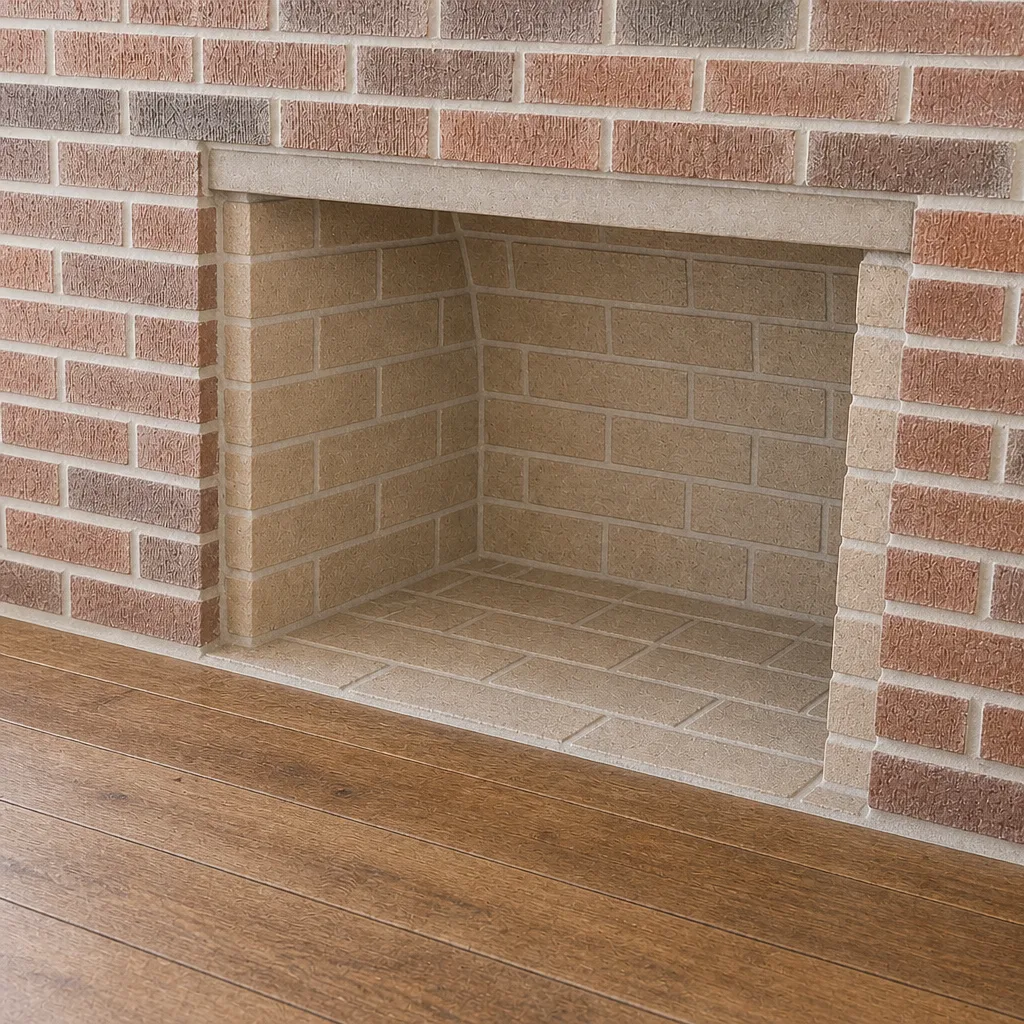 After
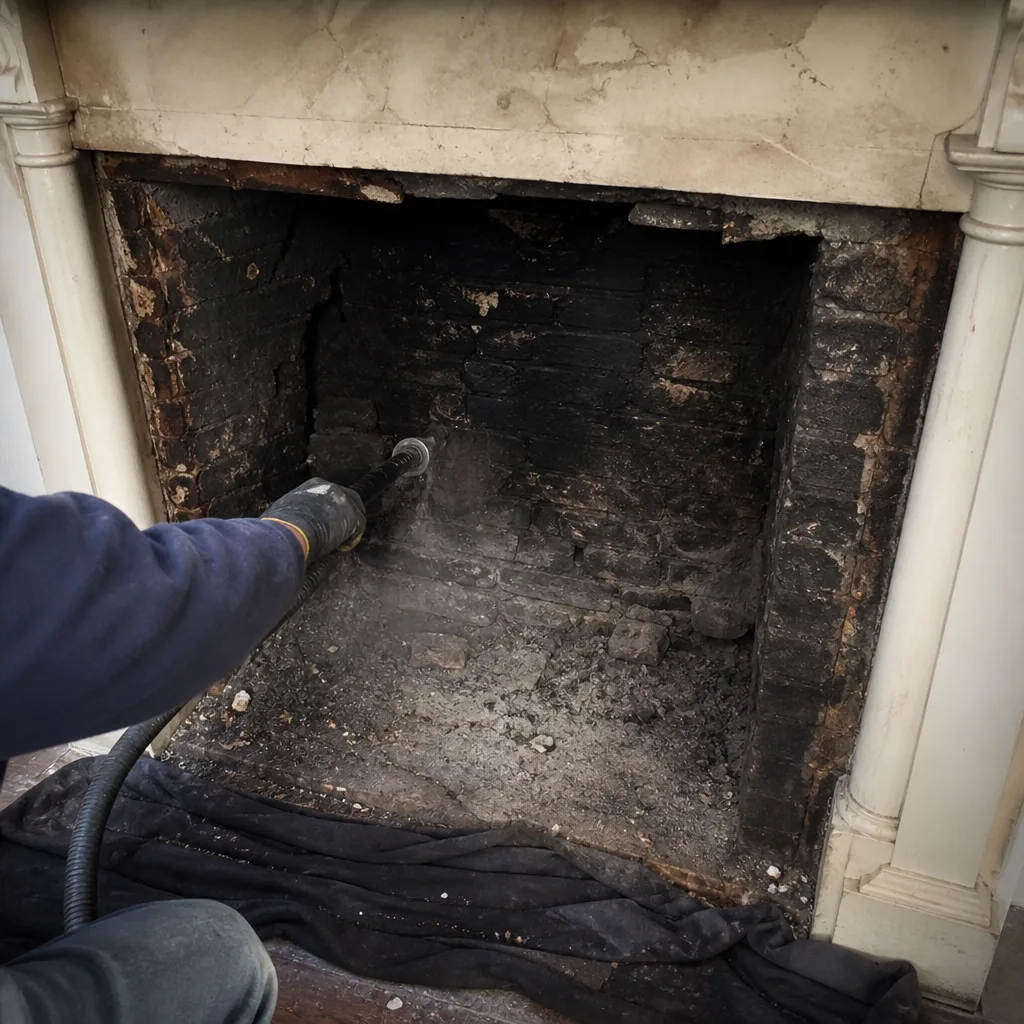 Before
 After
 Before
 After
Common Mistakes to Avoid
- Waiting until the first cold snap to book a sweep. By then, every sweep in Mariners Harbor is booked for weeks and you might be lighting an uninspected fire. Book in late August instead.
- Skipping the inspection because the flue looks clean. A sweep only tells you the flue is clear. An inspection tells you whether the liner and masonry are sound, which is the part that matters for safety.
- Ignoring moisture damage until spring. A cracked crown or breached flashing found in fall and left until spring gives the freeze cycle a full season to widen the damage. Fix it while the weather is dry.
- Leaving the damper open all summer. An open damper lets humid air and animals into the firebox through the warm months. Close it after the last fire of spring.
- Lighting a fire without checking for a blocked flue. If the cap is missing or damaged, animals may have nested in the flue. A blocked flue is a carbon monoxide hazard, so check before the first fire.
- Assuming a post-storm look is enough. A nor’easter can crack a crown or shift a cap without visible damage from the ground. Get a professional inspection after a significant storm.
- Using whatever materials are available at a big-box store. Crown and cap repairs need contractor-grade materials to hold up through a Mariners Harbor winter. DuraFlex and Famco components are built for this climate; generic patches aren’t.
When to Call a Professional
Some chimney work is routine and can wait for the pre-season window. Some can’t. Call a professional if you see smoke backing into the room, if you notice new cracks or spalling on the exterior stack, if the cap is missing or damaged, or if it’s been more than a year since the last inspection. Get a professional on the calendar after any nor’easter or tropical system that hits Mariners Harbor hard. And if you’re not sure, err on the side of an inspection, because the cost of looking is far less than the cost of a chimney fire or a structural repair.
Chimney Sweep Mariners Harbor offers free estimates in Mariners Harbor and can handle the full picture, from cleaning and inspection to fireplace repair and chimney cap & crown work. Call (877) 792-7270. We answer 24/7. Fast dispatch from 7am to 7pm, Sunday through Friday.
Frequently Asked Questions
The best time is late August through mid-September, before the fall booking rush fills every schedule. This window gives you time to get any needed repairs done before firing season. Call (877) 792-7270 to book before the rush; estimates are free.
A chimney should be swept at least once a year if you burn wood regularly, and more often if you burn heavily or notice creosote buildup. Annual inspection is the baseline, not a ceiling. Call (877) 792-7270 for a sweep and inspection; estimates are free.
Summer is the best time because the masonry is dry and repairs cure properly before the freeze. If you wait until November, trapped water expands in the freeze-thaw cycle and the damage gets worse. Call (877) 792-7270 to schedule a summer inspection; estimates are free.
Check the exterior for a shifted cap, cracked crown, or missing flashing, then get a professional inspection even if nothing is obvious from the ground. Storm debris and hairline cracks aren’t always visible. Call (877) 792-7270 for a post-storm inspection; estimates are free.
No. A chimney can have liner damage or a cracked crown that isn’t visible or noticeable in how it performs. An inspection is the only way to confirm the flue is sound. Call (877) 792-7270 to schedule one; estimates are free.
Deferred care lets small problems compound: moisture damage worsens through each freeze, creosote builds up and raises fire risk, and animal blockages go unnoticed until the first fire. Skipping care is how a routine sweep turns into a structural repair. Call (877) 792-7270 to get back on a year-round schedule; estimates are free.
The Bottom Line
Year-round chimney care in Mariners Harbor isn’t complicated, but it does follow a rhythm: spring shutdown and moisture check, summer repairs while the weather is dry, a pre-season sweep in late August or early September, and winter monitoring through firing season. Skip a phase and the next one gets harder. The single most useful habit is booking the pre-season sweep early, before the fall rush fills every calendar, so you light the first fire in a chimney you know is sound. A complete chimney system, from cleaning and inspection to cap and crown work, is what keeps a home safe through a Mariners Harbor winter. We inspect before we recommend, and we work with contractor-grade materials from HeatShield, DuraFlex, and other professional supply brands.
Call (877) 792-7270 for a free estimate. We answer 24/7. Fast dispatch from 7am to 7pm, Sunday through Friday.
Written by the team at Chimney Sweep Mariners Harbor.