
Last updated November 23, 2026
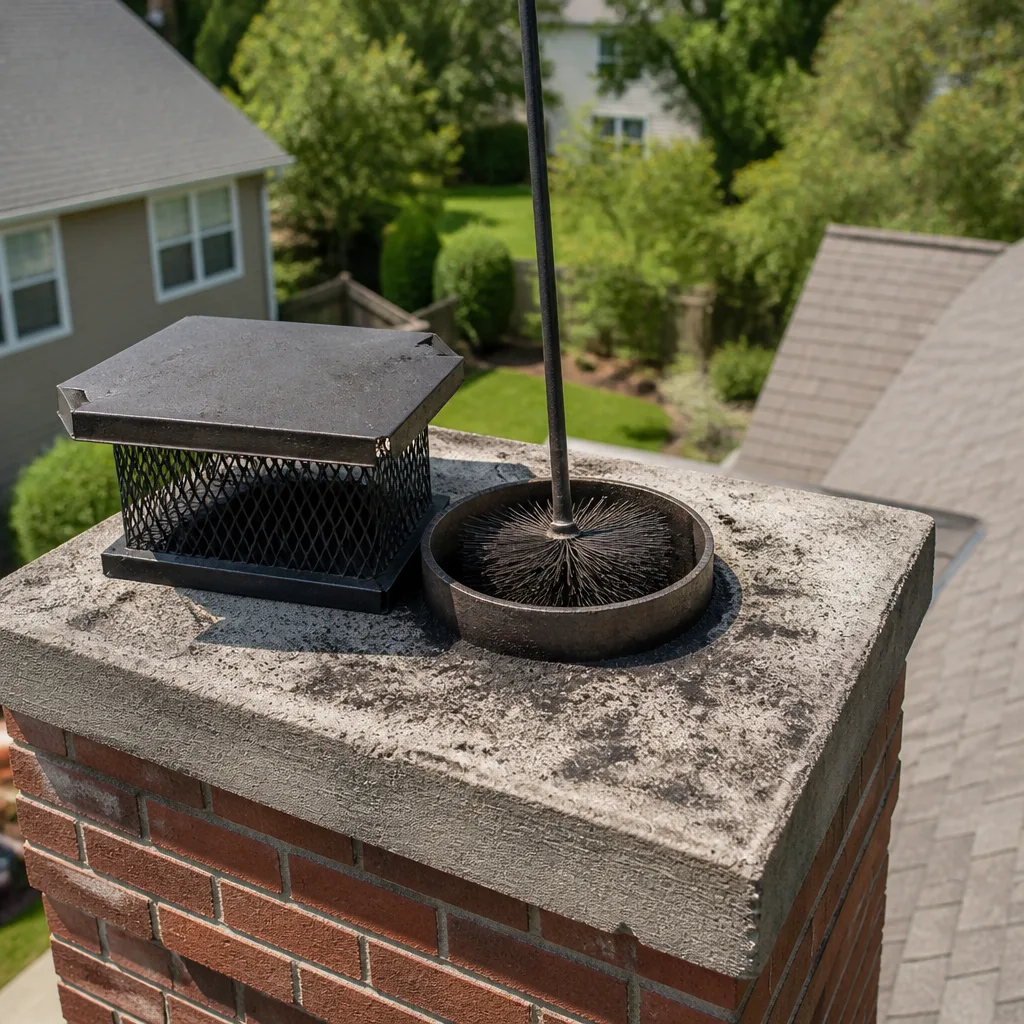 Sweep & inspection
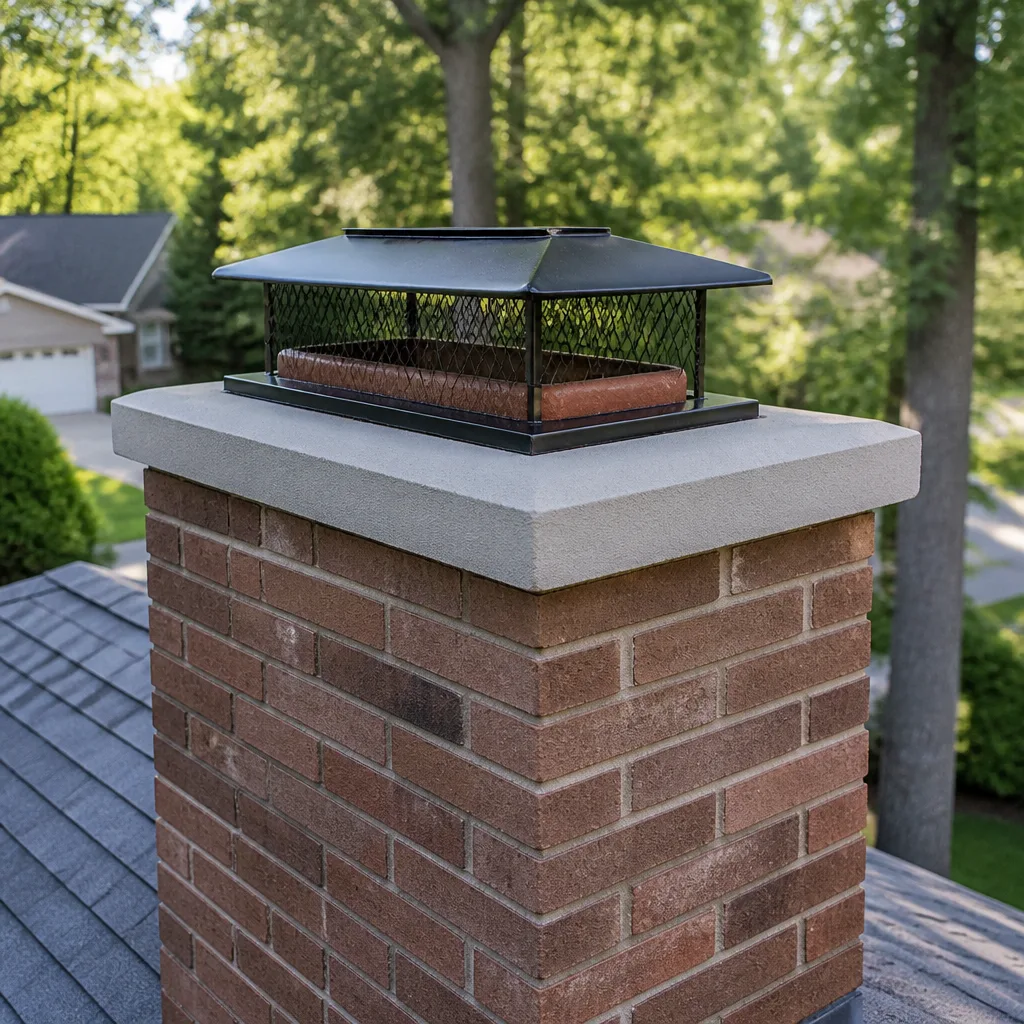 Caps & crowns
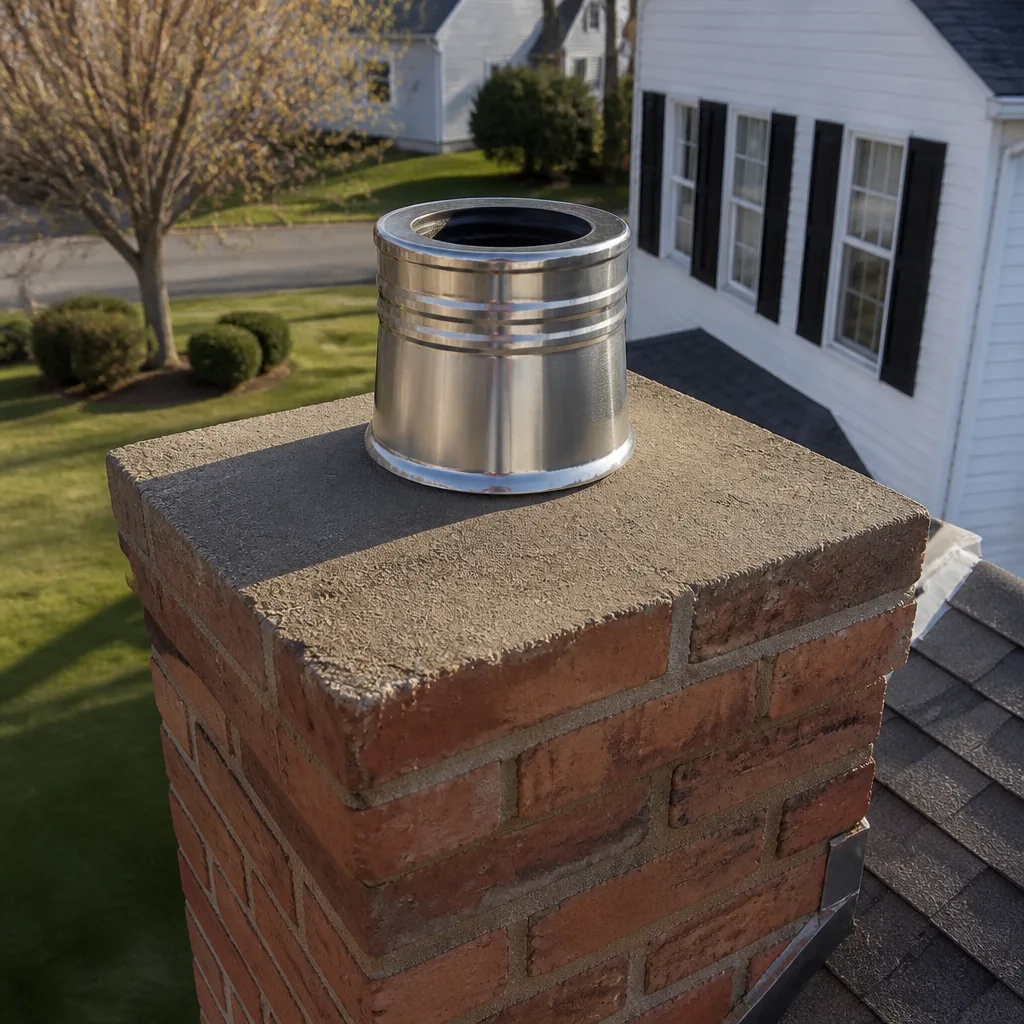 Flue relining
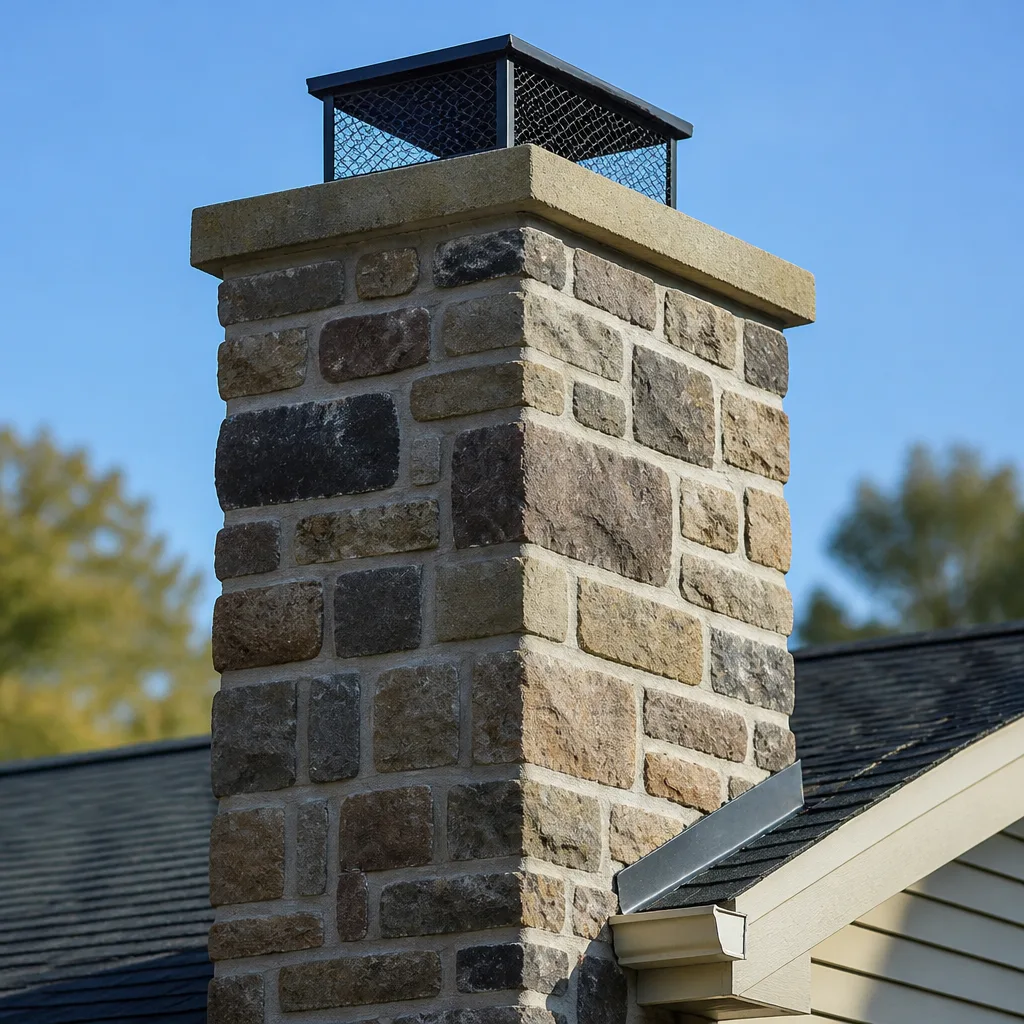 Masonry repair
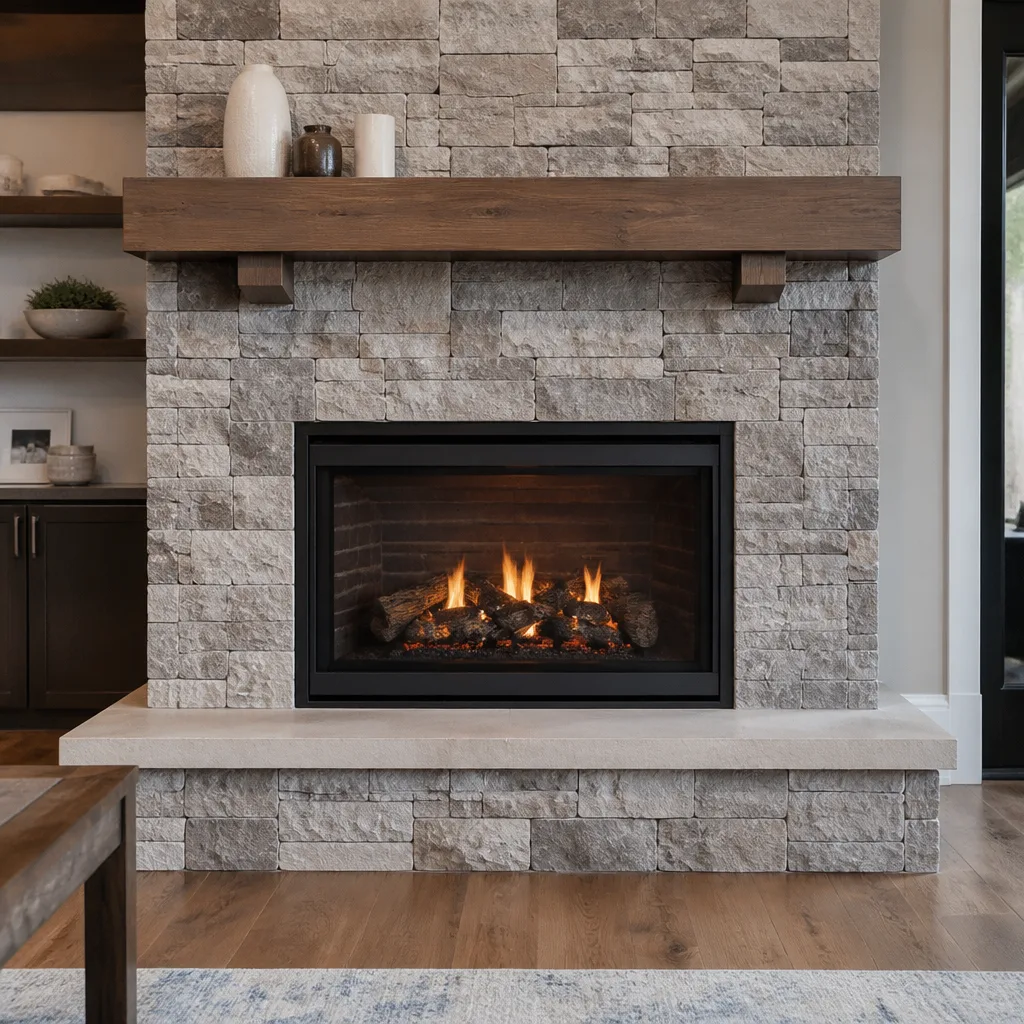 Gas fireplace service
Level 1 sweep and inspection to the NFPA 211 annual standard - flue, crown, cap, and flashing checked and photographed
Chimney sweep logs do not sweep chimneys. They loosen some creosote - which then falls where a brush and vacuum still have to collect it.
How to Hire a Chimney Cleaning Contractor in Mariners Harbor: A Step-by-Step Guide
Most homeowners hiring a chimney sweep ask one question: how much? That’s the wrong first question, and it’s why so many Mariners Harbor homeowners end up with a cheap sweep, a skipped camera inspection, and a repair bill six months later. The real question is whether the person on your roof understands flue sizing, liner integrity, and draft mechanics, or just owns a brush and a shop vac. CSIA certification is the floor, not the ceiling; plenty of certified sweeps have never looked inside a clay-tile liner in a Staten Island row house. This guide gives you a vetting process you can run in about ten minutes.
Quick Answer
Hire a chimney contractor by verifying CSIA credentials and insurance through primary sources, asking technical questions about flue sizing and liner condition, requiring a camera inspection with a written photo report, and insisting on a line-item estimate instead of a flat fee. In Mariners Harbor, the lowest bid in chimney work almost always means the camera never came out of the case.
Styles & brands we work with
- Sweep & inspection
- Caps & crowns
- Flue relining
- Masonry repair
- Gas fireplace service
Table of Contents
- Why chimney work is different from other home service hiring
- How to verify credentials, licensing, and insurance
- The interview questions that separate specialists from generalists
- What a real inspection includes (and what it doesn’t)
- How to read a chimney estimate
- Local red flags in Mariners Harbor
- Why the materials matter: liner and repair products
- How often to book and when to call
Why Chimney Work Is Different From Other Home Service Hiring
A chimney is a system with moving parts you cannot see from the ground. The flue, the liner, the crown, the cap, the smoke chamber, and the firebox all interact, and a problem in one changes how the others perform. When you hire a general handyman to sweep, you’re paying for a cleaning. When you hire a chimney specialist, you’re paying for someone who can tell you whether the thing is safe to burn in. Those are different jobs, and in Mariners Harbor the difference matters because the housing stock varies block to block. Some of the older homes near the harbor have clay-tile liners that have been through decades of freeze-thaw cycles. Others have been retrofitted with stainless liners by a previous owner, sometimes correctly and sometimes not. A sweep who has only trained on one type can miss problems on the other.
Generalists also tend to skip the parts of the job that don’t produce visible results. They clean the flue, hand you a receipt, and leave. They don’t photograph the liner, don’t check the crown for cracks, and don’t measure draft. That’s not dishonesty so much as a limitation of training. Chimney work has its own code requirements, materials, and failure modes, and a person who also does gutters and pressure washing doesn’t have the hours in.
Our technicians have up to 8 years of experience, and every hour of it is chimney and fireplace work. That’s the kind of focus you should demand from whoever you hire, whether it’s us or someone else.
How to Verify Credentials, Licensing, and Insurance
Any contractor can print “certified and insured” on a business card. In Mariners Harbor, you can actually check, and in about ten minutes. Do it before you book, not after.
- Check CSIA certification yourself. The Chimney Safety Institute of America maintains a public directory of certified sweeps. Look up the company name and the individual technician’s name. If the person who will be on your roof isn’t listed, ask why. Certification requires an exam and continuing education, and it lapses if the sweep doesn’t keep up.
- Request a certificate of insurance. Ask for the general liability and workers’ compensation certificates to be sent directly from the insurer or agent. A PDF forwarded by the contractor is not the same thing. If a technician is injured on your roof and the company isn’t covered, that becomes your problem.
- Confirm the business entity. New York State does not issue a statewide chimney sweep license, so anyone claiming one is either confused or lying. What you can check is whether the business is registered and in good standing with the state, and whether local rules apply in your situation.
- Ask for the manufacturer authorization. Professional-grade liner and repair products like DuraFlex and HeatShield are sold through authorized channels. A sweep who can’t tell you which brands they’re authorized to install is a sweep who buys whatever’s on the shelf.
- Check reviews for substance. Look for reviews that mention a camera inspection, a written report, or a specific repair. Reviews that say only “friendly and on time” tell you nothing about the technical work.
Our team is authorized to work with DuraFlex, HeatShield, Gelco, Olympia Chimney, Famco, and Copperfield, which means the materials on your job come from supply channels that unlicensed operators don’t have access to.
The Interview Questions That Reveal Real Knowledge
You don’t need to become a chimney expert to spot one. You need four or five questions that a generalist can’t answer without giving themselves away. Ask these on the phone before you book. A specialist will answer in specifics. A generalist will pivot to price.
- “How will you determine whether my flue is the right size for my appliance?” A trained sweep describes measuring the flue’s cross-sectional area against the appliance’s flue collar and the manufacturer’s spec, and mentions the difference between an interior and exterior chimney. A generalist says something about it being “about right.”
- “What do you look for on a clay-tile liner, and what does a cracked tile mean?” The specialist talks about spalling, offset joints, missing mortar, and why gaps allow heat and gases into the surrounding structure. On a Staten Island row house, the chimney often shares a wall with the neighbor, so liner integrity isn’t just your problem.
- “How do you check draft, and what would you do if the draft is weak?” Look for answers involving a smoke test, pressure diagnostics, and the possibility that the cap, the flue height, or a competing exhaust appliance is causing the problem. A weak draft is a venting question, not a cleaning question, and specialists know the difference.
- “Which liner repair materials do you work with?” If the answer is vague or the sweep names a brand you can find at a big-box store, keep looking. HeatShield flue resurfacing and DuraFlex flexible liner systems are the kind of products that require training and authorization to install correctly.
- “Will I get photos of what you found?” Yes is the only acceptable answer. A no tells you the inspection is going to be a visual glance from the damper.
- “What’s included, and what would cost extra?” A specialist can outline the scope in a sentence. A generalist starts hedging.
What a Real Inspection Includes (and What It Doesn’t)
A proper chimney inspection follows a defined scope, and it isn’t the same as a cleaning. The industry recognizes three levels, and most homeowners need the middle one.
- Level 1: a visual check of readily accessible portions of the chimney, firebox, and appliance connection. Appropriate when conditions haven’t changed and the system is in known good shape.
- Level 2: everything in Level 1 plus a camera inspection of the flue interior and the accessible portions of the attic and crawlspace. Required when a home has changed hands, when an appliance has been replaced, or after a chimney fire or a significant event.
- Level 3: a diagnostic inspection that may involve removing parts of the chimney or surrounding structure. Reserved for when a serious defect is suspected.
If you’ve recently bought a home in Mariners Harbor, you need a Level 2. The previous owner’s habits are unknown, and a home inspection report almost never includes a flue camera. A Level 1 sweep that skips the camera is not a bargain; it’s an incomplete job. When you book a chimney sweep, the camera inspection and a photo report should be part of the standard scope, not an upsell.
How to Read a Chimney Estimate
A flat fee for “chimney work” is a red flag by definition, because chimney work is a list of discrete tasks with different scopes and different materials. A real estimate is a line-item document that tells you what’s being done, what’s being left alone, and what would change the price.
- Cleaning of the flue and firebox, with the level of service stated
- Inspection level, with camera confirmation and a photo report noted
- Crown condition, with repair or sealant scope if applicable
- Cap condition and whether replacement is included
- Liner condition, with resurfacing or relining quoted separately if needed
- Exclusions, written down plainly: masonry rebuilding, structural work, appliance service
If a bid comes in dramatically lower than the others, ask what was left out. In chimney work, the answer is almost always the camera inspection and the crown check, and both are exactly the parts of the job that catch problems early. A cheap clean followed by a surprise repair estimate from the same company is a known pattern, and it starts with the bid that skipped the diagnostics.
When you book with us, the price is set per job by a written estimate, and we don’t recommend work we haven’t documented. Photographs come first, always.
Local Red Flags Specific to Mariners Harbor
Mariners Harbor sits on Staten Island’s north shore, and the housing mix here creates a specific set of failure modes. Terraced rowhouses, older detached homes, and mid-century construction all age differently. Here’s what to watch for when hiring.
- The sweep can’t name a liner material. If asked which resurfacing or flexible liner systems they install and the answer is “we use whatever’s best,” walk away. HeatShield and DuraFlex are brand names for a reason: they’re specified by manufacturers and installed to their instructions.
- No post-service report. A company that won’t hand you photos and a written finding for any level of work has nothing to stand behind. This is the single most reliable differentiator between a specialist and a generalist.
- “We’ll take a look when we get there.” Inspection levels exist so the appointment has a defined scope. A company that arrives without knowing whether they’re doing a Level 1 or a Level 2 hasn’t planned the job.
- Unsolicited masonry recommendations. A sweep who arrives for a $200 cleaning and leaves recommending a $6,000 rebuild without photos is a sweep to investigate. We’ve seen homeowners in this position repeatedly, and the fix is simple: demand the evidence before authorizing anything.
- No mention of draft testing. On an interior chimney in a row house, the neighboring stack can interfere with draft. A sweep who doesn’t check is guessing.
- Quotes that skip the crown and cap. The crown is where water gets in, and a cracked crown is the number-one cause of chimney deterioration in this climate. If the estimate doesn’t mention it, the inspection didn’t cover it.
Why the Materials Matter: Liner and Repair Products
The difference between a good repair and a repeat problem is often the product. Chimney materials have to withstand flue temperatures, condensation, and freeze-thaw cycles, and the budget versions sold in general hardware stores are not built for that.
HeatShield is a resurfacing system used to restore a deteriorating flue without pulling it out and relining the whole stack. It’s applied to the existing liner, and it works on certain conditions and not others. A sweep who offers it is a sweep who can look at your flue and tell you whether resurfacing makes sense or a full reline is needed. That’s a real distinction and a skill many single-service sweeps simply don’t have.
DuraFlex flexible liner systems are the modern route when the existing flue is past resurfacing. They’re installed as a continuous run, sized to the appliance, and they’re the standard for bringing an older chimney into compliance with current code.
Gelco and Copperfield product lines support cap, crown, and exterior component work with materials backed by the manufacturer. When you see a chimney cap & crown job quoted with a brand name attached, that’s a sign the contractor knows what they’re installing and can stand behind it.
If a repair moves into the firebox or the fireplace itself, we handle that too, so you don’t have to book a second contractor. Our fireplace repair work covers the interior side of the same system.
How Often to Book, and When to Call
Annual inspection is the standard, and it’s the right cadence for a chimney you use regularly. Cleaning frequency depends on how much you burn. Someone who runs a fire most cold nights and burns seasoned hardwood will need more cleanings than someone who lights one a few times a month.
- Once a year: inspection, cleaning, and a check of cap and crown condition. Book it before the burning season, not after.
- After a chimney fire: a Level 2 inspection is required, even if the fire was small and put itself out. Damage can be invisible from the firebox.
- After buying a home: a Level 2 before you light the first fire. The seller’s inspection didn’t cover it.
- After a significant storm: check the crown and cap, and have the flue looked at if you see water in the firebox or rust on the damper.
- Any time you smell smoke in the room or notice staining on the chimney exterior: call for an inspection rather than burning through it.
Mariners Harbor houses closer to the water see more moisture cycling than inland parts of the borough, and moisture is what turns a small crown crack into a structural problem. That’s an argument for yearly attention, not for alarm.
Common Mistakes to Avoid
- Hiring the lowest bid without asking what’s excluded. The low bid typically skips the camera, which is the only part of the job that finds liner problems before they become expensive. Ask for the scope in writing and compare line by line.
- Assuming a certified sweep is a competent one. Certification proves a baseline. Ask about the sweep’s experience with your specific liner type, because a row house with clay tile is a different job than a modern stainless install.
- Accepting a repair recommendation without photos. Nothing should be recommended that you can’t see for yourself. If a contractor can’t show you the evidence, don’t authorize the work.
- Skipping the crown because the flue looked fine. The crown is what protects the stack from water, and it fails silently. A sweep who doesn’t inspect it is leaving out the cheapest preventive work on the list.
- Booking a cleaning when you need an inspection. If it’s been years, if you just bought the place, or if the chimney has been through a fire, ask for a Level 2 inspection specifically.
- Letting a generalist talk you into masonry. Not every recommendation needs to happen right away. A small crown crack or a worn cap can wait; a compromised liner cannot. Ask which findings are urgent and which aren’t, in writing.
- Ignoring draft problems. Smoke rolling back into the room, soot on the fireplace face, or a lazy fire can all point to venting issues. A cleaning doesn’t fix them. A diagnosis does.
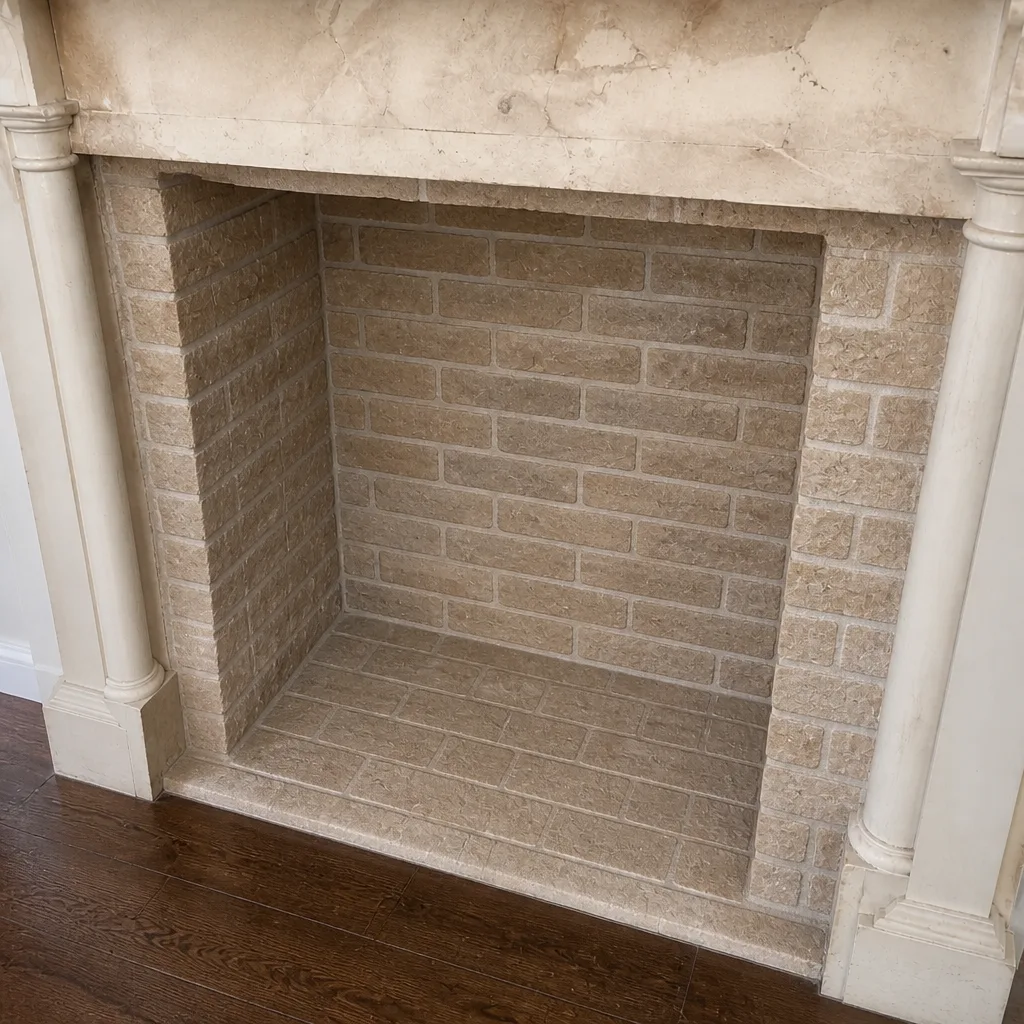
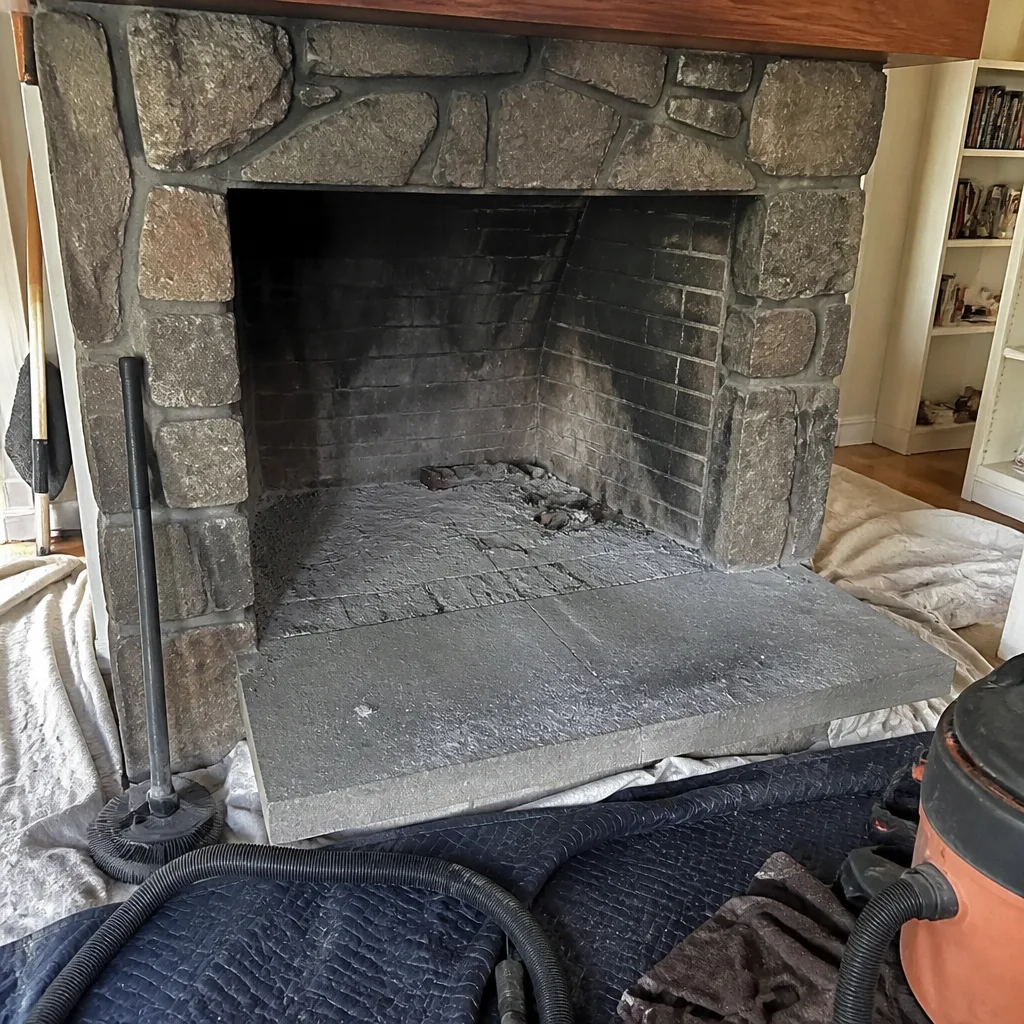
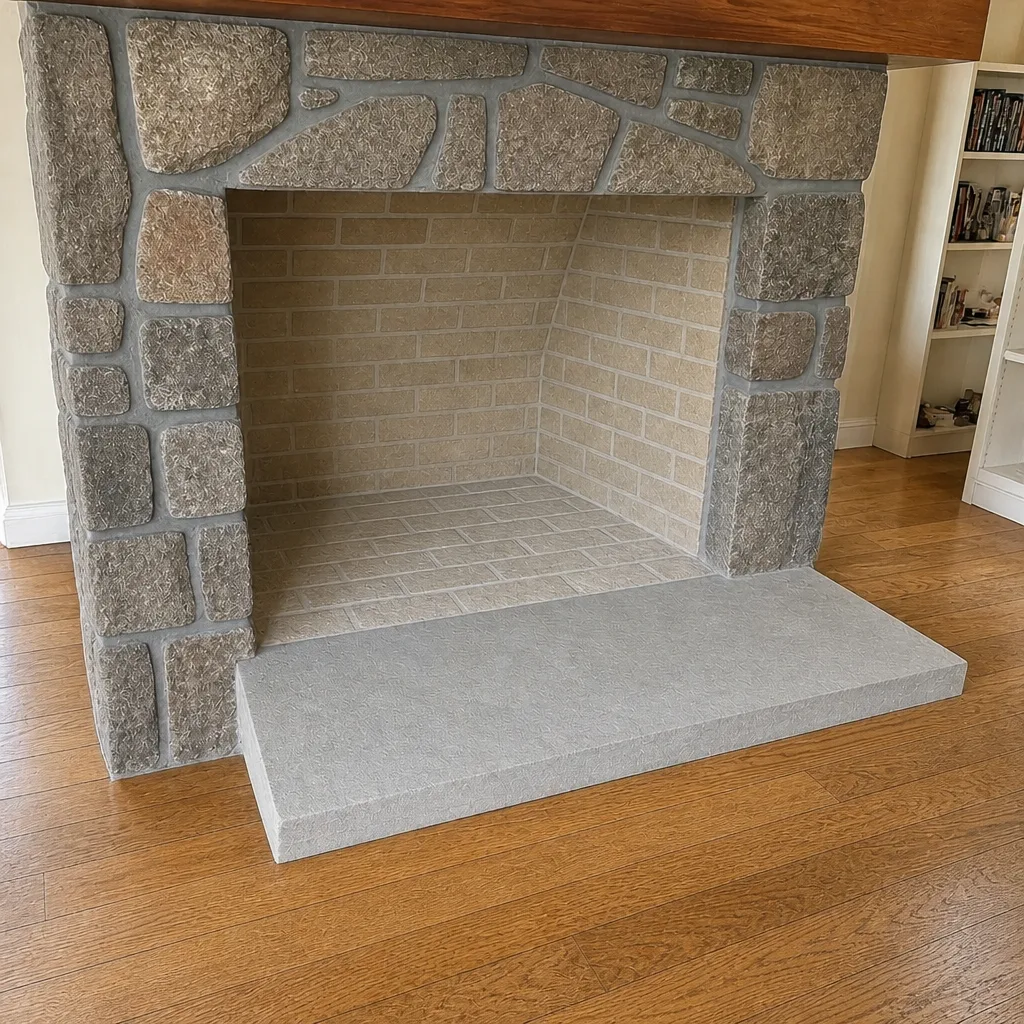
See the difference
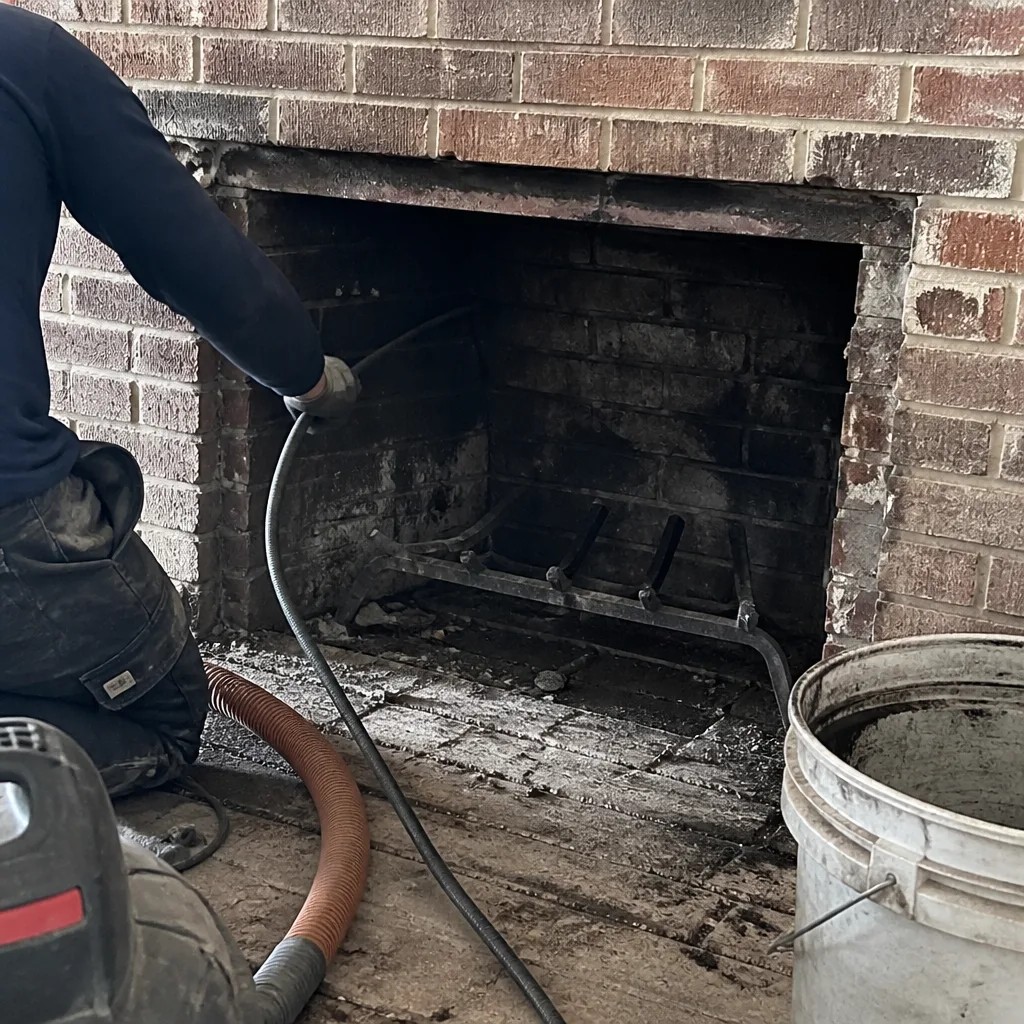 Before
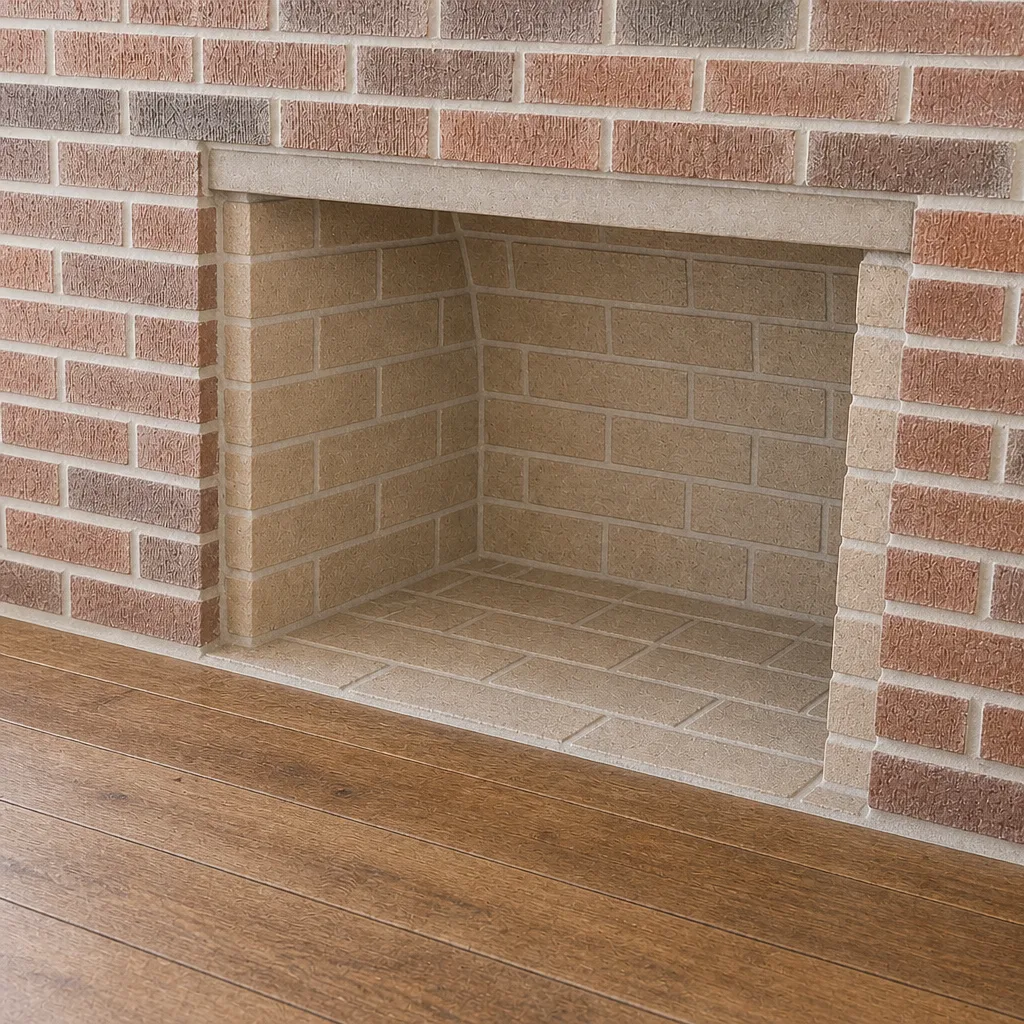 After
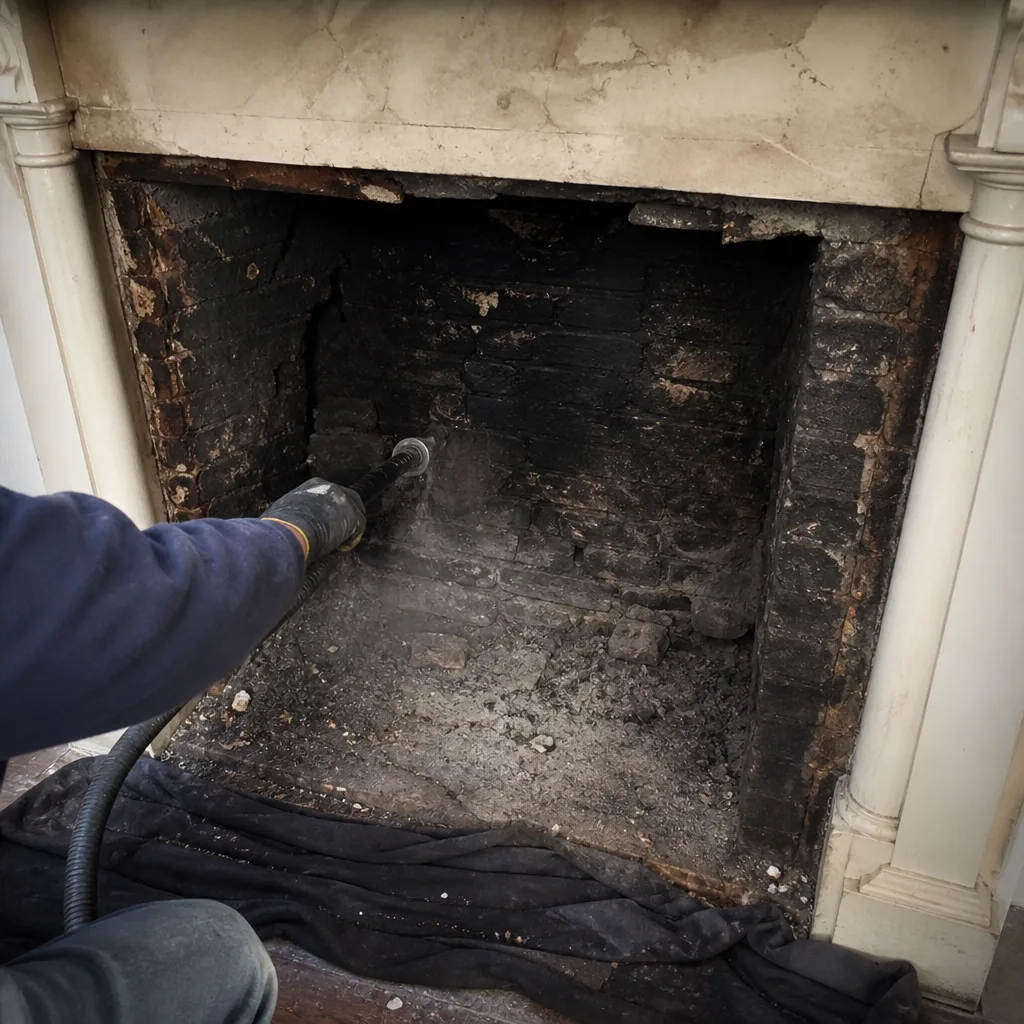 Before
 After
 Before
 After
When to Call a Professional
Call a professional if it’s been more than a year since your last inspection, if you’ve recently bought a home in Mariners Harbor, if you’ve had a chimney fire of any size, or if you smell smoke indoors when the fireplace is running. Call before you light the first fire of the season if you’ve never had the flue camera-inspected. Call if the crown looks cracked from the ground or if water is getting into the firebox. Call if you’re getting a headache or noticing a gassy smell while burning, which can point to a venting problem. And call if a previous contractor recommended a repair you can’t verify, because a second opinion with photographs is worth the time. Chimney Sweep Mariners Harbor offers free estimates. Call (877) 792-7270. We answer 24/7. Fast dispatch from 7am to 7pm, Sunday through Friday.
Frequently Asked Questions
Check CSIA certification in the public directory, request insurance certificates directly from the insurer, and ask the technical questions in this guide. A qualified sweep can explain flue sizing, liner condition, and draft mechanics without hesitation, and will offer a camera inspection as part of the standard service. Call (877) 792-7270 for an exact quote on an inspection, free estimates included.
Inspection pricing varies by level, and the safest way to compare is to ask each contractor for a written scope covering the same inspection level and confirming camera inspection and a photo report are both included. The price is set per job by the written estimate. Call (877) 792-7270 for an exact quote, free estimates included.
On a home you’ve recently bought, on any flue you’ve never had inspected, and after any chimney fire, a camera inspection is not optional. It’s the only way to see liner cracks, offset joints, and missing mortar, and those are exactly the problems that don’t show up from the firebox. Call (877) 792-7270 for an exact quote on a camera inspection, free estimates included.
Ask for the photographs and a written finding before you authorize anything. A liner recommendation should come with visible evidence of the defect, and a good contractor will show you what they saw and explain what happens if the repair waits. If the recommendation can’t be documented, don’t act on it. Call (877) 792-7270 for a second opinion, free estimates included.
Sweep based on how much you burn, but inspect annually regardless. An annual inspection catches crown cracks, cap damage, and liner wear before they become structural repairs, and it’s the cheapest maintenance on the whole system. Call (877) 792-7270 to book an inspection, free estimates included.
Nothing dramatic on day one, which is why people skip it. The problems that build are moisture getting through a small crown crack, creosote accumulating in a flue that hasn’t been cleaned, and liner joints opening slowly. By the time you notice, the repair is larger. Call (877) 792-7270 to book an inspection before the burning season, free estimates included.
The Bottom Line
Hiring a chimney contractor in Mariners Harbor comes down to five checks: verify CSIA credentials and insurance through primary sources, ask technical questions about flue sizing and liner integrity, require a camera inspection with a written photo report, insist on a line-item estimate, and be skeptical of the lowest bid. The specialist will show you what they found. The generalist will tell you what you need. Our approach at Chimney Sweep Mariners Harbor is to inspect before we recommend anything, and to put the evidence in your hands so you can decide with confidence. A complete chimney system deserves a contractor who treats the whole system, not just the flue.
Call (877) 792-7270 for a free estimate. We answer 24/7. Fast dispatch from 7am to 7pm, Sunday through Friday. One call covers cleaning, inspection, and repair, with contractor-grade materials matched to your system.
Written by the team at Chimney Sweep Mariners Harbor.