
Last updated November 23, 2026
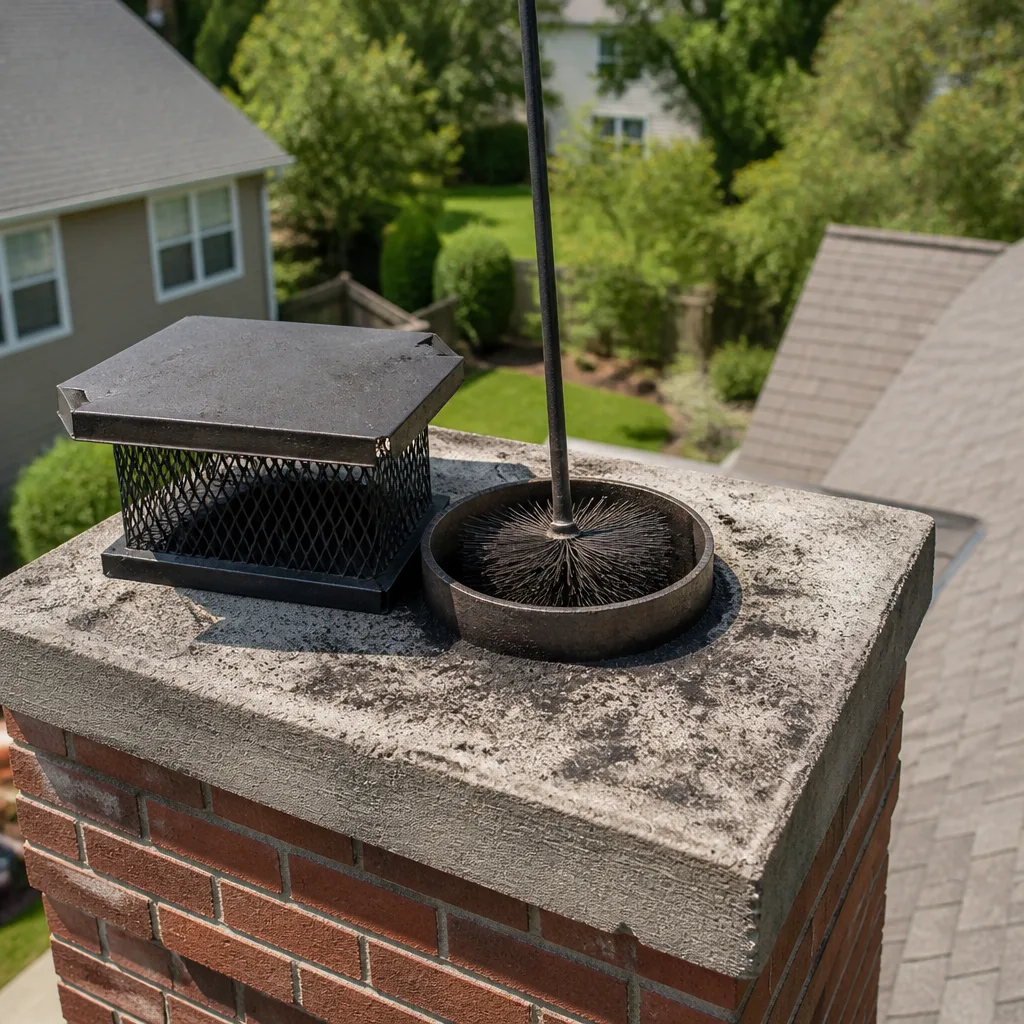 Sweep & inspection
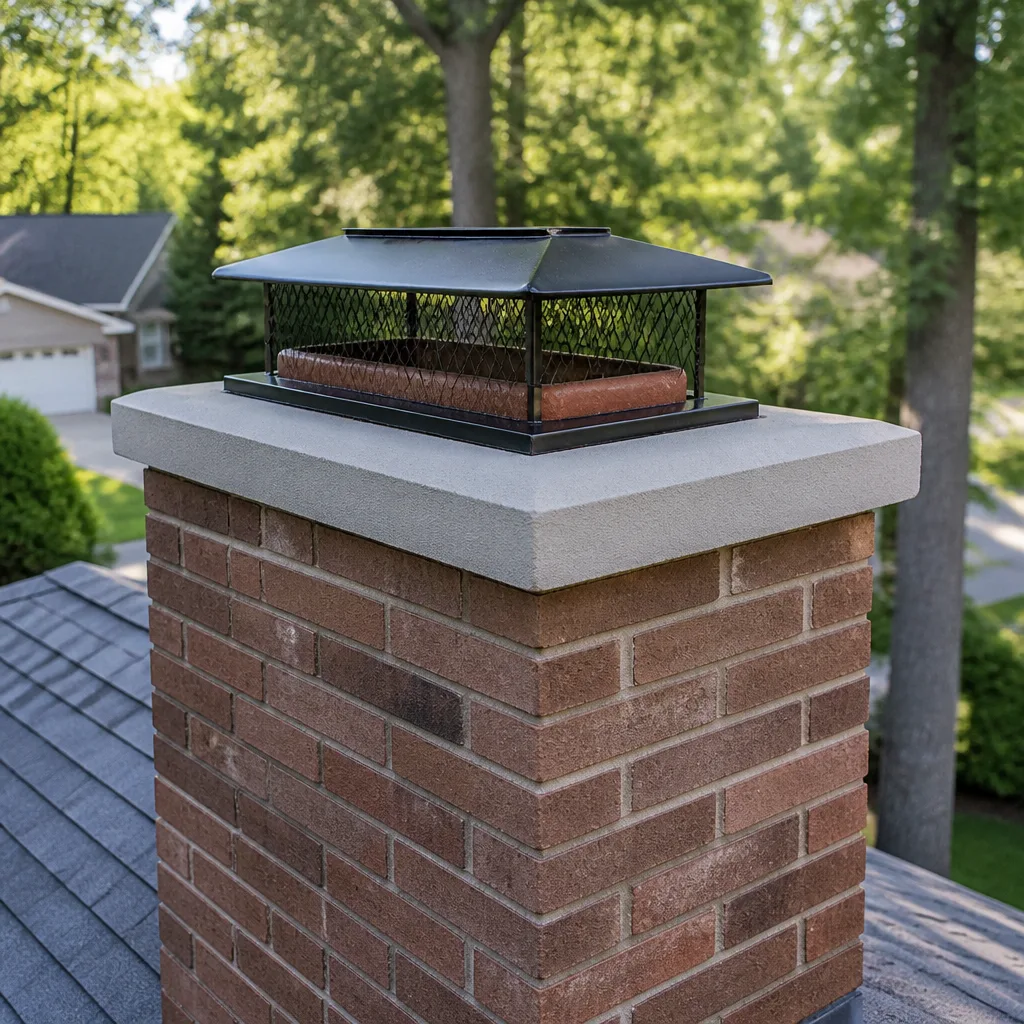 Caps & crowns
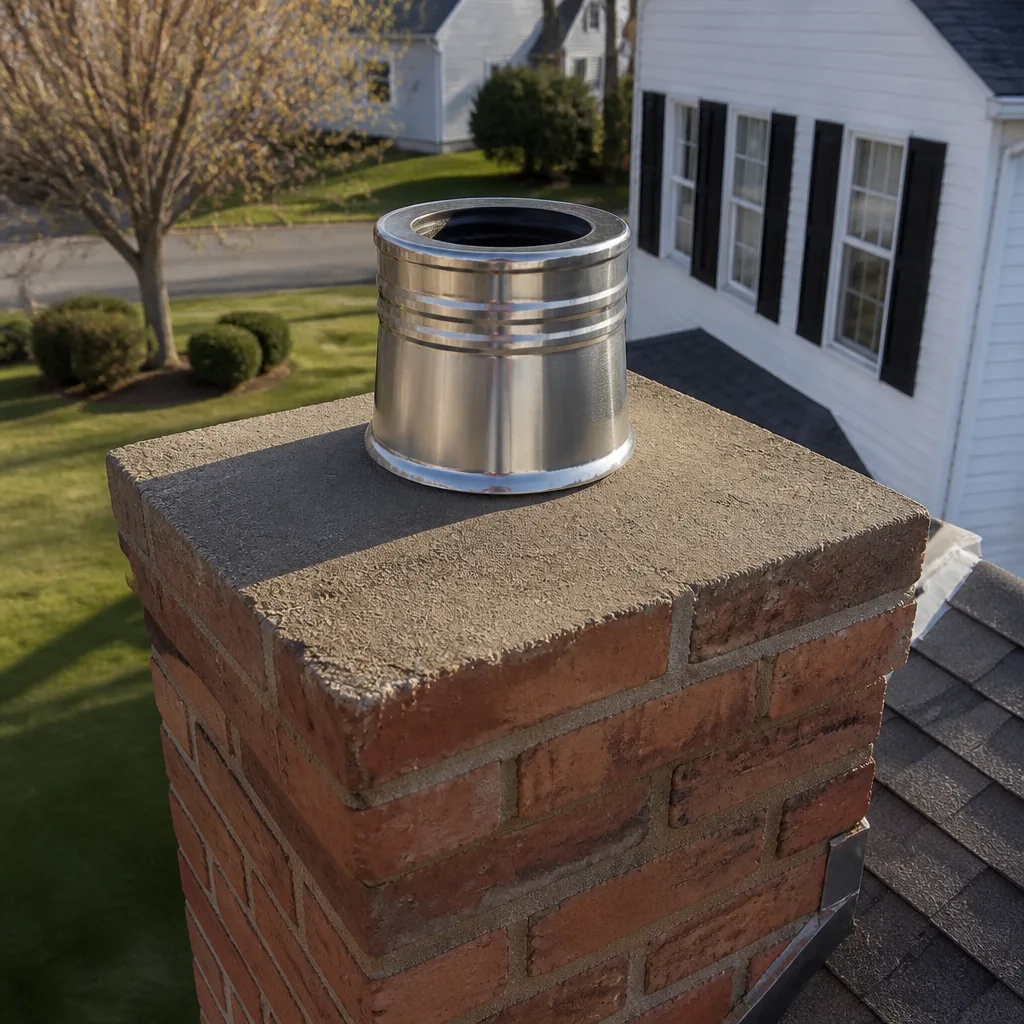 Flue relining
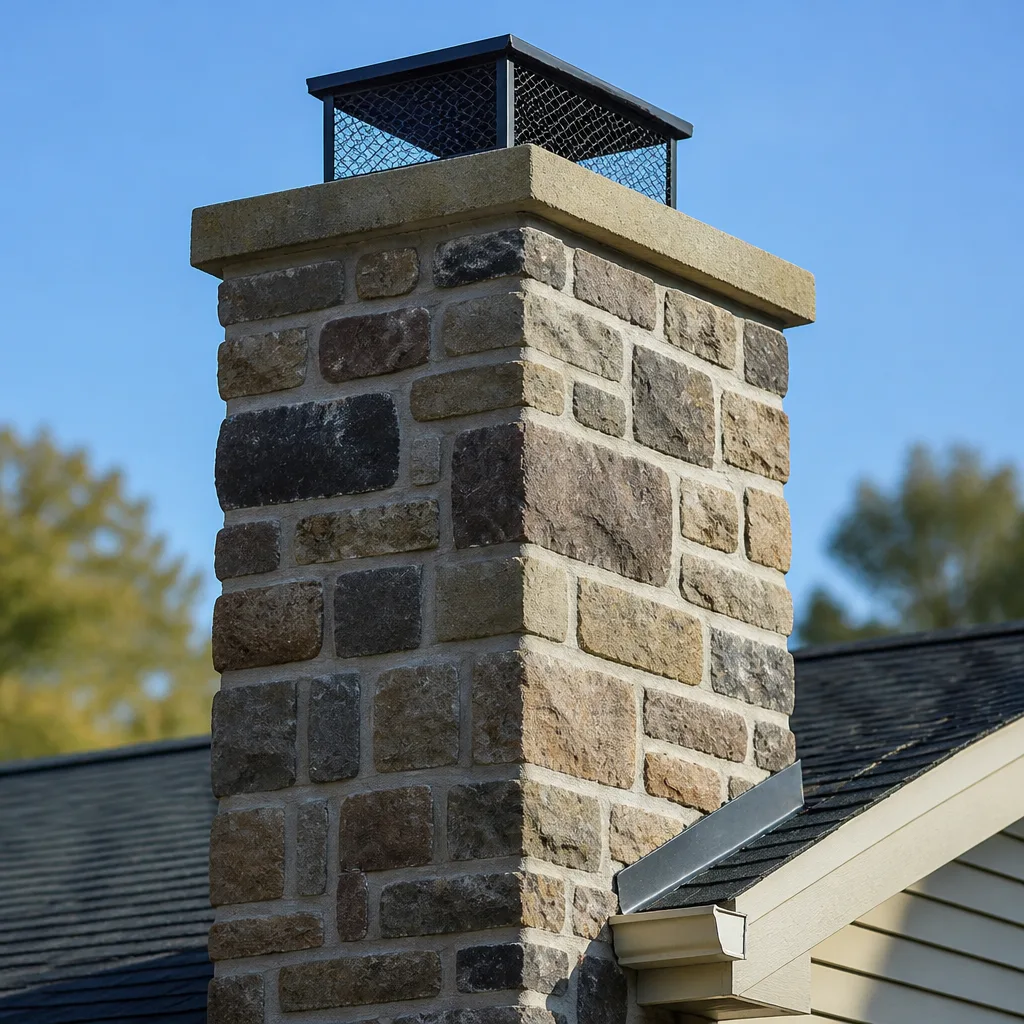 Masonry repair
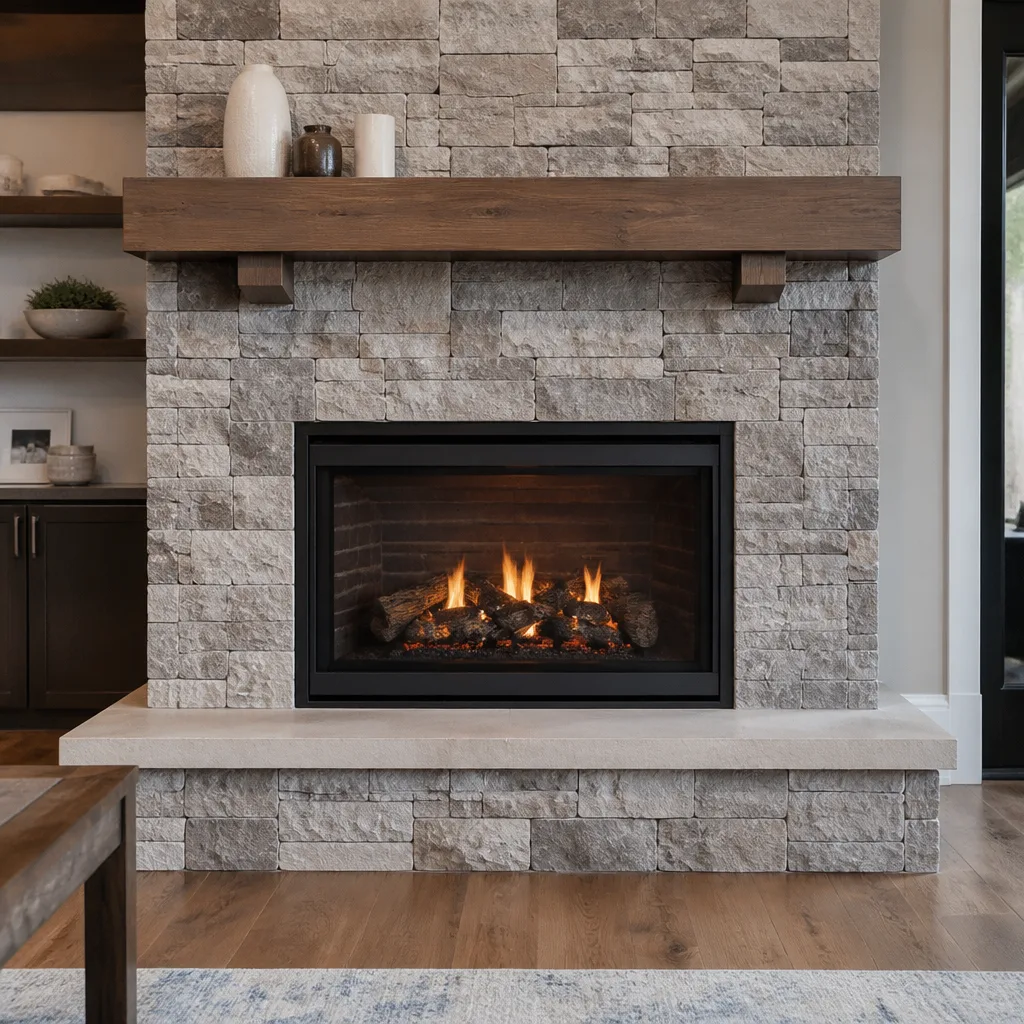 Gas fireplace service
Level 1 sweep and inspection to the NFPA 211 annual standard - flue, crown, cap, and flashing checked and photographed
Chimney sweep logs do not sweep chimneys. They loosen some creosote - which then falls where a brush and vacuum still have to collect it.
The Complete Guide to Chimney Cleaning in Mariners Harbor
Most chimney fires we’re called about don’t happen because the homeowner skipped cleanings. They happen because the cleaning was done without anyone looking at what the flue liner was doing underneath the soot. A liner that has thinned, cracked, or pulled away from the flue tile lets heat reach the wood framing, and no amount of brushing fixes that. In Mariners Harbor, where wood-burning fireplaces work hard through the cold months and the housing stock is older than most of the mainland, this distinction matters more than the sweep itself. This guide walks through what a real cleaning involves, what inspections actually check, and how a Mariners Harbor home differs from the generic advice you’ll read elsewhere.
Quick Answer
A proper chimney cleaning in Mariners Harbor removes measured creosote from the flue, includes a visual inspection of the liner and cap, and ends with a written report of what was found. It should take about an hour for a standard flue, and it should leave you with a clear answer about whether the chimney is safe to use. A cosmetic brush-down that never checks the liner is not a cleaning.
Styles & brands we work with
- Sweep & inspection
- Caps & crowns
- Flue relining
- Masonry repair
- Gas fireplace service
Table of Contents
- Why Mariners Harbor Chimneys Age Differently
- What a Real Chimney Cleaning Involves
- Row House Chimney Configurations and Tool Access
- Level 1 vs Level 2 Inspection
- Oil-to-Gas Conversion Residue: The Hidden Hazard
- Degrees of Creosote and Why They Matter
- How Often to Clean Your Chimney
- Common Repairs We Find During Cleaning
Why Mariners Harbor Chimneys Age Differently
Mariners Harbor sits on the western edge of Staten Island, close to the Kill Van Kull and the working waterfront. That location shapes how chimneys here age in ways that inland guides rarely address. The humidity in the air is consistently higher than what you’d find fifteen miles inland, and chimneys draw that moisture in through the top and through masonry pores. When a flue cools overnight, moisture condenses on the inner walls. That damp soot binds together and becomes the sticky, hard-to-remove deposit that causes most of the trouble.
Higher ambient moisture changes how creosote forms. In a dry climate, soot stays powdery and brushes out easily. In a humid climate, the same fire produces deposits that layer up faster and harden sooner. A homeowner in Mariners Harbor who burns seasoned wood and cleans annually can still find glazed deposits forming because the flue never fully dries between burns. That’s not a sign they did anything wrong. It’s a sign the climate adds a variable the standard advice doesn’t account for.
The housing stock compounds it. Much of Mariners Harbor’s residential blocks were built up through the middle of the last century, and many chimneys have had at least one fuel change, often more. An original coal flue converted to oil, then to gas, then fitted with a wood insert, has a history that shows up in the flue tile. Cleaning without understanding that history means you remove soot from a liner that may already be compromised.
Cold winter air off the water also means chimneys here run hot and cold cycles that stress masonry. Any chimney with visible spalling, loose mortar joints, or a crown that’s cracked is a candidate for water intrusion that accelerates deterioration from the inside. During a cleaning we look for all of it, because the sweep is the only time anyone gets a full view of the flue from bottom to top.
What a Real Chimney Cleaning Involves
A real cleaning is a measured process, not a quick pass with a brush. Here’s what the work actually looks like from start to finish.
- Lay drop cloths and seal the firebox. The work area gets covered and the opening is sealed so no soot enters the room. This takes a few minutes and prevents the mess people dread.
- Check the damper and firebox first. Before any brushing, we look at the damper for rust, warping, or soot buildup that restricts operation, and inspect the firebox for cracks or missing mortar.
- Brush the flue from the top down or bottom up depending on access. The choice depends on roof and chimney configuration. Row houses often get the bottom-up method because roof access is limited.
- Measure creosote deposits before and after. This is the difference between a cleaning and a cosmetic sweep. We check the flue walls with a mirror and light to confirm deposits are gone, not just loosened.
- Inspect the liner, cap, crown, and flashing. The cleaning is the opportunity to find problems before they become fires or water damage.
- Clean the smoke chamber and smoke shelf. These are the areas most often skipped by sweeps who don’t specialize in chimneys. Soot builds there and restricts draft.
- Vacuum the firebox and surrounding area. A HEPA vacuum captures what the drop cloths don’t.
- Walk you through findings and provide a written report. If something needs repair, you get photos and an explanation, not just a verbal warning.
A single-flue cleaning typically runs 60 to 90 minutes. Chimneys that haven’t been cleaned in several years, or that have glazed deposits, take longer because the deposits need mechanical removal rather than a simple brush pass.
Row House Chimney Configurations and Tool Access
Staten Island row houses and semi-attached homes present specific challenges that a generic sweep may not be equipped for. The most common configuration is a shared or adjacent chimney stack serving multiple flues. Each flue may belong to a different fireplace, appliance, or vent system, and they can’t be cleaned with the same brush or method.
Three configurations come up most often in Mariners Harbor:
- Interior chimneys in the center of the home. These run up through the middle of the structure and exit through the roof ridge. Access from the roof is often difficult due to pitch and height, so cleaning and inspection happen from below.
- Exterior chimneys on the side wall. These are common on the older housing stock and are more exposed to weather. The crown and cap take the brunt, and masonry deterioration on the exterior face is easier to spot but easier to ignore.
- Shared stacks with multiple flues. These require careful isolation so debris from one flue doesn’t drop into another. Each flue gets cleaned separately, with the others sealed.
Tool access matters here. A rigid brush on a fixed rod won’t navigate a flue that has an offset or a slight bend, and many Mariners Harbor chimneys have both. That’s why we use flexible liner-compatible tooling, and why we stock products from DuraFlex and Olympia Chimney when a liner needs to be replaced rather than just cleaned. A flue that can’t be cleaned properly because the tools can’t reach the deposits is a flue that needs relining.
When a chimney is shared, we also check that the flues are correctly separated. A flue serving a furnace that leaks into a flue serving a fireplace can introduce combustion gases into the living space. That’s a carbon monoxide risk, and it shows up during inspection, not during a simple sweep.
Level 1 vs Level 2 Inspection
Most homeowners have heard the terms but don’t know what separates them. A Level 1 inspection is a visual check of the readily accessible portions of the chimney, including the firebox, damper, flue interior as far as can be seen, and the exterior. It’s appropriate for a chimney that has been in continuous use with no changes to the system.
A Level 2 inspection goes further. It includes everything in a Level 1 plus a video scan of the flue interior, inspection of accessible attic and crawlspace areas where the chimney passes through, and a check of connections to appliances. It’s the inspection required after a chimney fire, after a change in fuel type, after a property sale, or when an earthquake or severe weather event may have damaged the chimney.
In Mariners Harbor, the older housing stock almost always warrants a Level 2. Here’s why:
- Many homes have had at least one fuel conversion, and the flue may not be compatible with the current appliance.
- A recent home purchase is the most common reason we’re called, and the buyer has no history of what the chimney has been through.
- Flue tiles in mid-century construction often have gaps, cracks, or missing mortar joints that a visual scan from below won’t reveal.
- Shared stacks need each flue checked individually, which requires a camera.
A video scan shows you what’s actually happening inside the flue, on a screen, in your living room. You see the cracks, the gaps, the rusted liner, or you see a clean flue and get told it’s fine. That’s the point: you shouldn’t have to take anyone’s word for it. We inspect before we recommend, and we show the evidence.
If the scan shows a liner that’s deteriorated but not failed, resurfacing with HeatShield can restore it without a full replacement. That’s a capability that sets a chimney specialist apart from a general sweep, and it’s often the difference between a moderate repair and a full reline.
Oil-to-Gas Conversion Residue: The Hidden Hazard
Many Mariners Harbor homes were heated with oil before natural gas became the standard, and the flues that served those oil furnaces are still in use today. When an oil burner is replaced with a gas furnace or boiler, the flue that carried the oil exhaust doesn’t simply become clean. Oil combustion leaves sulfur and acidic residue on the flue walls, and that residue is corrosive to masonry and to metal liners.
Gas appliances also produce more water vapor than oil appliances. That extra moisture combines with the leftover acidic residue and accelerates deterioration. A flue that looks fine from the firebox may have a liner that’s been eaten away from the inside over years of gas exhaust reacting with oil residue.
Cleaning alone won’t fix this. Brushing removes loose soot but doesn’t neutralize acidic deposits or restore a corroded liner. What’s needed is an inspection to determine the condition of the flue, followed by the appropriate repair, which may be a liner resurfacing or a full reline with a system like DuraFlex. Products from Famco and Copperfield also come into play when venting and draft need correction after a fuel change.
This is a hazard that hides. A homeowner who converts to gas and never has the flue inspected may use the appliance for years without a problem, until the liner fails and exhaust begins leaking into the home. Carbon monoxide is odorless, so there’s no warning. The only reliable way to know is to have the flue scanned. A Level 2 inspection is the right call for any Mariners Harbor home that has changed fuel types at any point.
The same logic applies to wood inserts installed into older fireplaces. An insert that vents into a flue sized for a different appliance can create draft problems and deposit buildup that a standard sweep won’t catch. We check insert installations specifically, because they’re common here and they’re a frequent source of undetected issues.
Degrees of Creosote and Why They Matter
Creosote is the residue left behind by burning wood, and it forms in three distinct stages. Understanding the stages is what separates a real cleaning from a quick brush pass.
- First-degree creosote is light, flaky, and powdery. It brushes off easily and is the easiest to remove. A chimney that’s cleaned regularly rarely gets past this stage.
- Second-degree creosote is harder, crusty, and often comes off in chips or flakes. It requires more mechanical effort and is a sign the chimney has been burning with restricted draft or unseasoned wood.
- Third-degree creosote is glazed, tar-like, and bonded to the flue wall. It can’t be removed with a standard brush. It requires chemical treatment or mechanical removal with specialized tooling, and in severe cases the only safe solution is a full reline.
Third-degree deposits are the most dangerous because they’re highly combustible. A flue coated with glazed creosote can ignite from a single hot fire, and the resulting chimney fire can crack the flue tile or ignite the framing around the chimney. This is why a cosmetic sweep that leaves those deposits in place is worse than no sweep at all: it gives the homeowner a false sense of security.
In Mariners Harbor, the humid climate makes second and third-degree deposits more likely than in drier areas because the moisture in the air causes soot to bind and harden faster. A homeowner who burns wood regularly may find their flue moving from first to third-degree more quickly than the annual cleaning schedule would suggest. That’s why we measure deposits during every cleaning, not just check whether the flue “looks clean.” We use tools from Olympia Chimney when a flue needs mechanical cleaning beyond a standard brush, and we’ll tell you plainly when the deposits are beyond what cleaning can address.
If a flue has glazed deposits, the conversation turns to options. Resurfacing with HeatShield can restore a flue that’s coated but structurally sound. If the deposit has damaged the liner itself, a reline with DuraFlex is the more durable answer. Either way, you see the scan and the deposit before any recommendation is made.
How Often to Clean Your Chimney
The general rule is annual cleaning for a wood-burning fireplace in regular use, and inspection at least once a year for any chimney. But Mariners Harbor conditions push the schedule in ways worth understanding.
- Clean after every cord of wood burned. This is the practical rule for a wood-burning fireplace. A cord is 128 cubic feet, and for most homes that’s about a winter’s worth of fires.
- Inspect annually regardless of use. Even a chimney that wasn’t used much needs an inspection, because moisture, animals, and structural movement don’t require a fire to cause damage.
- Clean before the heating season starts. A cleaning in early fall gives you a clear flue for the winter and catches problems before the first cold snap.
- Do a Level 2 inspection after any change. A new appliance, a fuel conversion, a home purchase, or a chimney fire are all triggers for a camera scan.
- Check the cap and crown each year. A cracked crown lets water in, and water is the slow killer of masonry chimneys.
Homes in Mariners Harbor that burn wood regularly may need cleaning more than once a year if they’re burning unseasoned wood or if the flue is undersized for the fireplace. Gas fireplaces have a lighter cleaning load but still need inspection, especially if the venting configuration is older. If it’s been more than a year since the chimney was looked at, the safest move is to book an inspection and let the scan tell you what the flue actually needs.
Common Repairs We Find During Cleaning
The cleaning is the starting point. What we find underneath it is the reason to use a specialist who can complete the repair in the same visit, rather than a sweep who has to refer you elsewhere.
The most common repair needs in Mariners Harbor homes:
- Deteriorated flue tiles. Cracks, gaps, and missing mortar joints show up in older chimneys and require resurfacing or relining.
- Failed or missing chimney caps. A missing cap lets rain, birds, and debris into the flue. A rusted cap lets water pool on the crown. Both are quick fixes when caught early.
- Cracked crowns. The crown is the concrete surface at the top of the chimney that sheds water. When it cracks, water gets into the masonry and freeze-thaw cycles do the rest. We repair crowns with products from Gelco and Olympia Chimney that are made for exterior chimney work.
- Spalling brick and loose mortar. Signs of water intrusion that need repointing before the damage spreads.
- Damper problems. A damper that doesn’t close fully lets heated air escape and pests in. Repair or replacement is typically straightforward.
- Firebox cracks. The firebox takes direct heat and is the most common place for masonry to fail. Repair is a fire-safety issue, not a cosmetic one.
For chimney cap and crown work, we install manufacturer-backed components rather than generic hardware, which is why the brands we carry matter. A cap that fits poorly or a crown that’s patched with the wrong material will fail again within a few seasons.
Fireplace repair is the other common category. Damaged fireboxes, worn dampers, and smoke chamber issues that restrict draft all fall under it. Because we handle fireplace repair alongside cleaning, a homeowner rarely needs to call a second contractor to finish a project that starts as a routine sweep. The same applies to chimney cap & crown work: the repair can be completed while we’re already on site.
Common Mistakes to Avoid
- Booking a sweep who doesn’t measure creosote. If the technician brushes and says “all done” without checking the flue walls, you don’t know what’s left behind. Ask how they confirm the deposits are gone.
- Skipping the inspection to save time. A cleaning without an inspection misses liner cracks, cap damage, and crown issues. The flue is the one part of the house you can’t see yourself, so the inspection is the whole point.
- Assuming a gas fireplace needs no service. Gas appliances still vent through the chimney, and a flue that’s corroded from an earlier oil furnace is a real risk. Gas fireplaces need inspection, especially after a fuel conversion.
- Ignoring a cracked crown through the winter. Freeze-thaw cycles in Mariners Harbor turn a hairline crack into a failed crown in a single season. Repair it before the cold sets in.
- Cleaning without checking the cap. A missing or damaged cap is the fastest way to get water, birds, and debris into a clean flue. Every cleaning should include a cap check.
- Burning unseasoned wood to stretch the woodpile. Green wood produces more creosote and more moisture, which is the worst combination in a humid climate. Seasoned wood costs more per cord and saves you a cleaning.
- Hiring a generalist for a specialized job. A handyman who sweeps chimneys on the side may not carry the tooling for offsets, shared flues, or glazed deposits. A chimney specialist carries the right tools because that’s all they do.
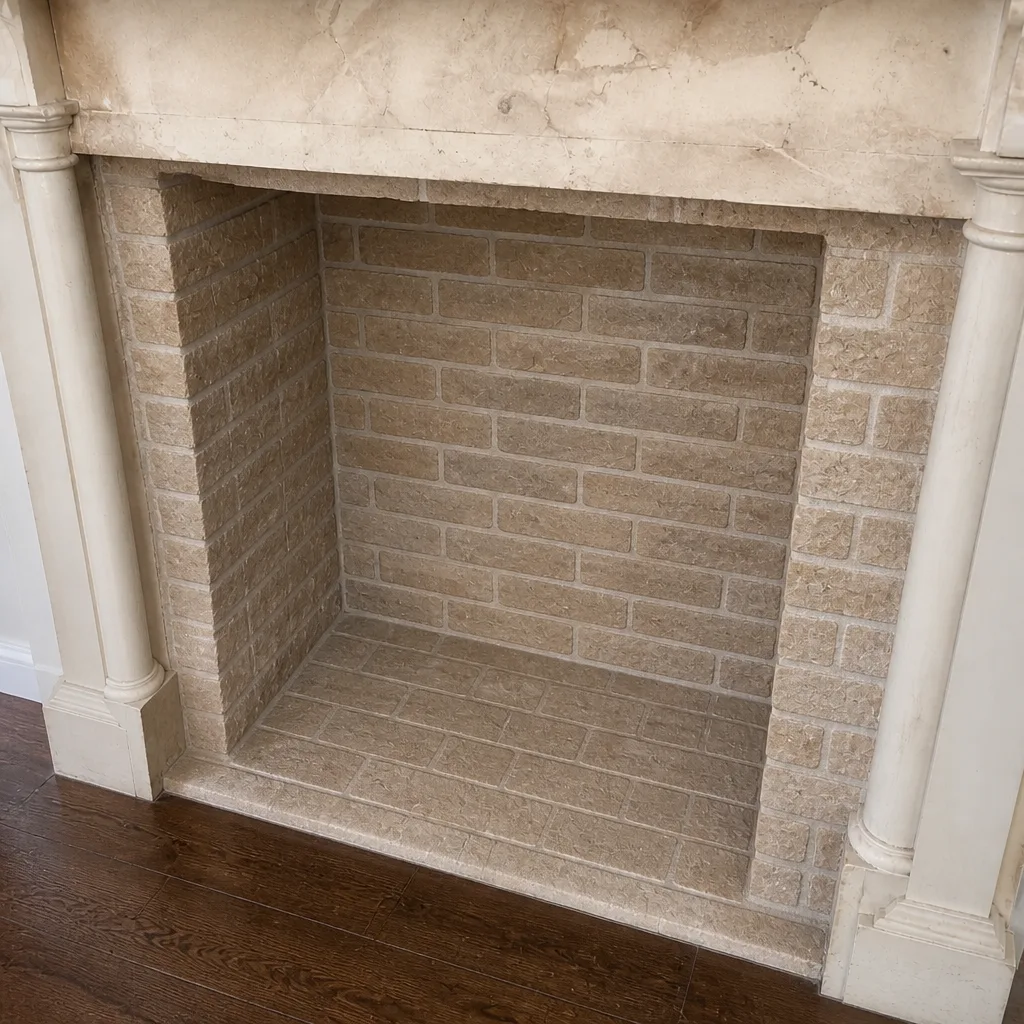
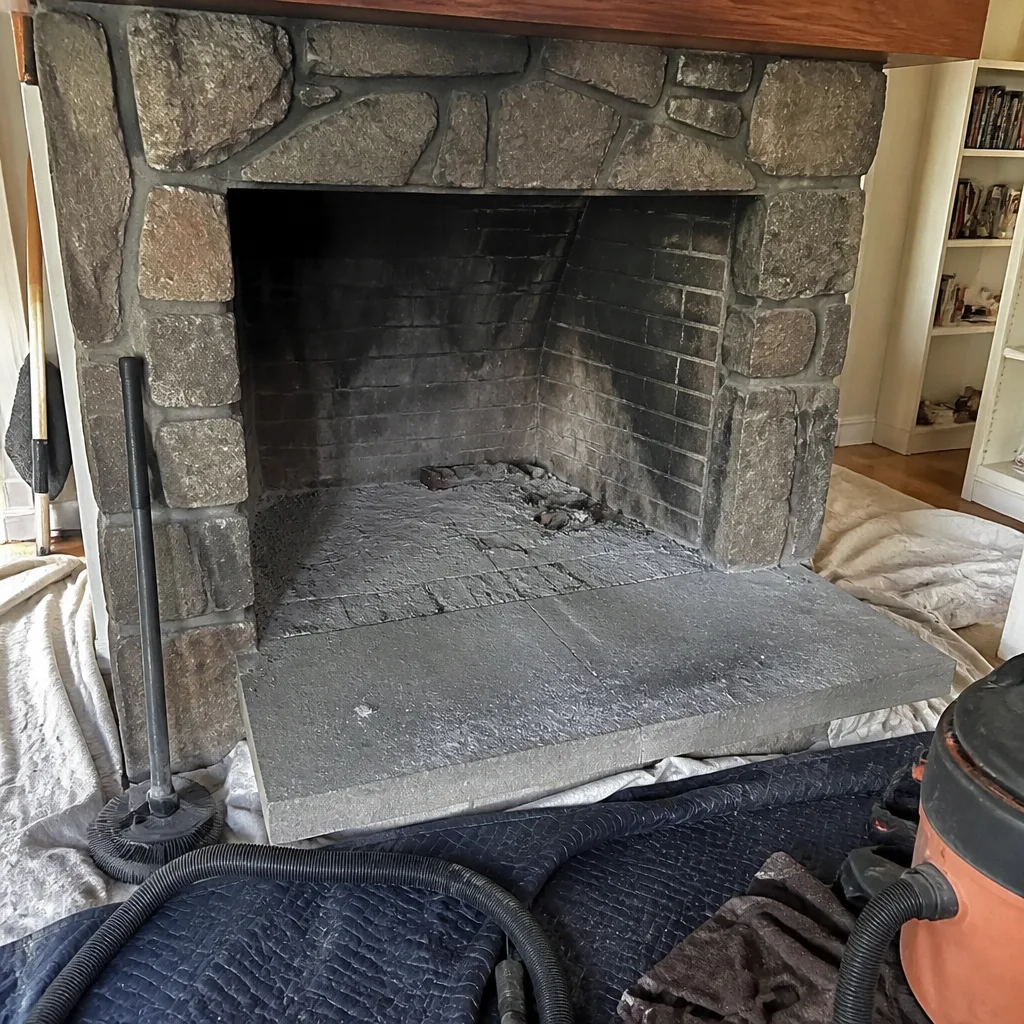
See the difference
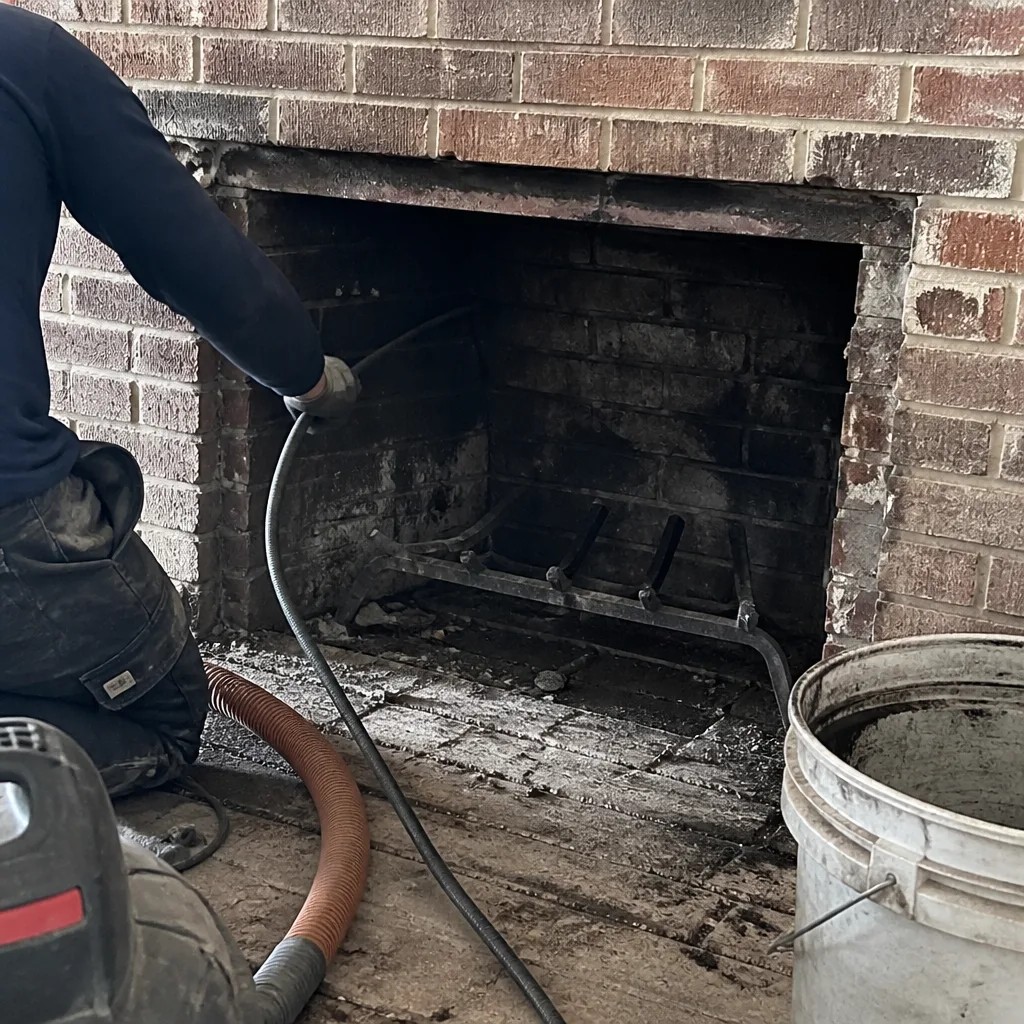 Before
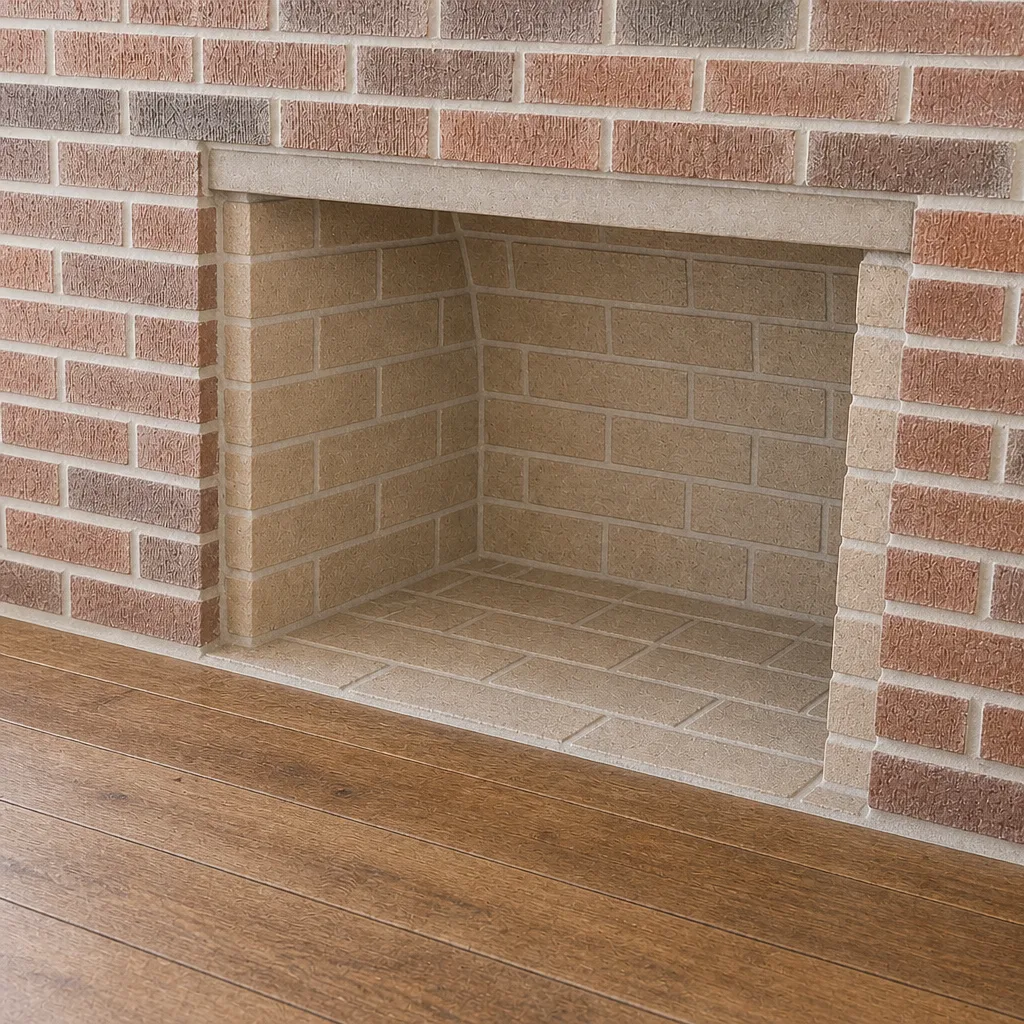 After
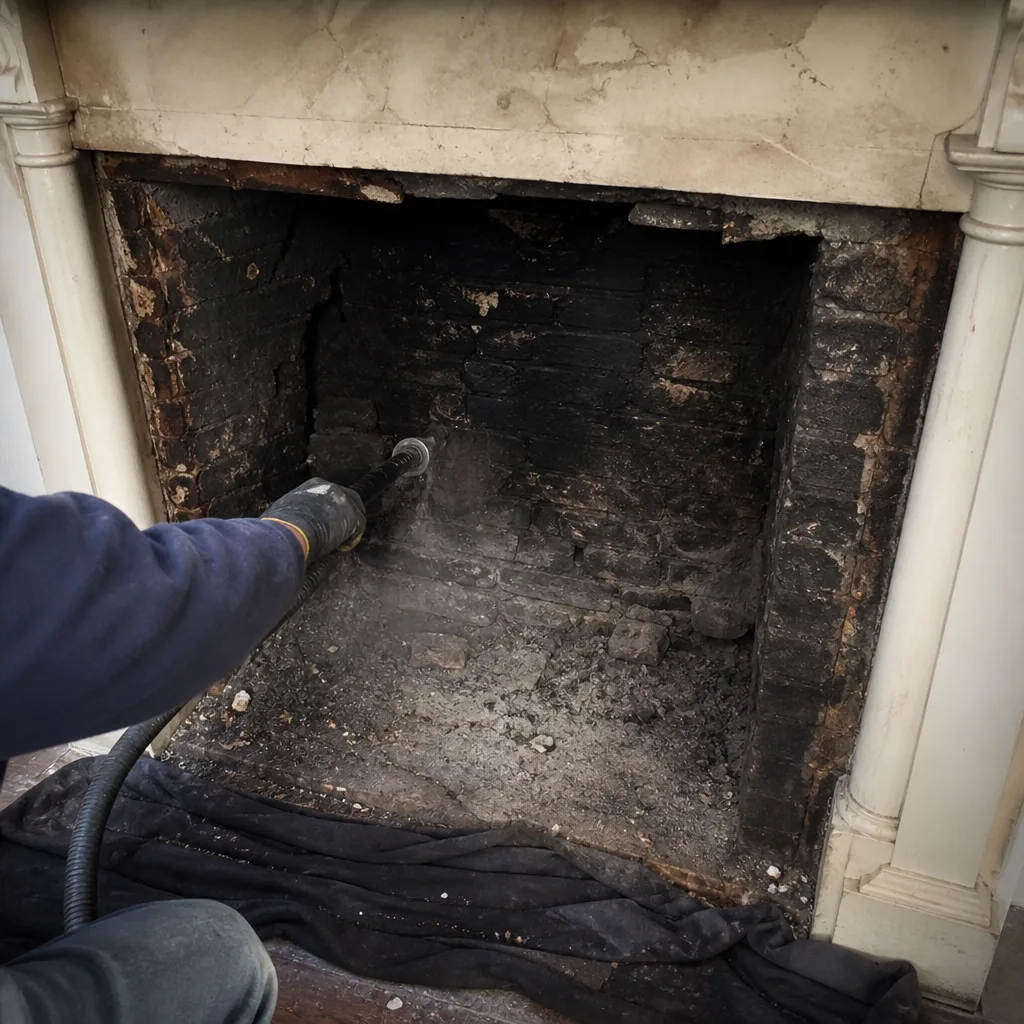 Before
 After
 Before
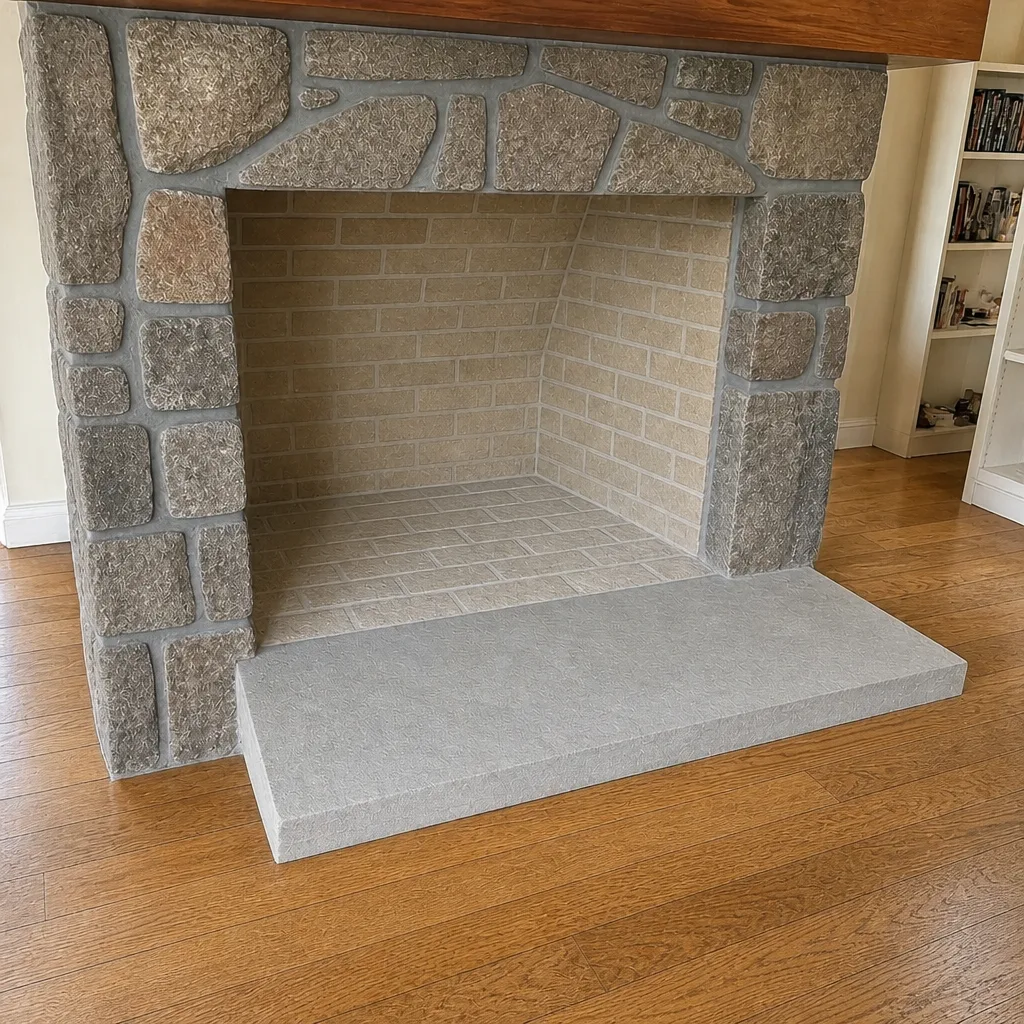 After
When to Call a Professional
Some chimney work is routine, and some of it shouldn’t wait. Call a professional if you’ve moved into a new home and don’t know the chimney’s history; if it’s been more than a year since the last cleaning or inspection; if you’ve changed fuel types or installed a new appliance; if you see cracked or missing mortar, a damaged cap, or a cracked crown; if smoke backs into the room when you light a fire; or if you’ve had a chimney fire, even a small one. A chimney fire can crack flue tiles without any visible sign from the outside, so a camera scan is the only way to know the flue is still sound.
Chimney Sweep Mariners Harbor offers free estimates in Mariners Harbor. Call (877) 792-7270. We answer 24/7. Fast dispatch from 7am to 7pm, Sunday through Friday. Every estimate includes a camera inspection and a photo report, so you see what we see before any work is recommended.
Frequently Asked Questions
A standard chimney cleaning in Mariners Harbor typically runs $150 to $300 for a single flue, with the final price set by a written estimate after the technician sees the chimney. A Level 2 inspection with a camera scan usually adds $100 to $250. Chimneys with heavy or glazed creosote, or with difficult roof access, may cost more because the work takes longer and requires specialized tooling. Call (877) 792-7270 for an exact quote – estimates are free.
Once a year for a wood-burning fireplace in regular use, and after every cord of wood burned. Because Mariners Harbor’s humid climate causes creosote to harden faster than in drier areas, some homes here need cleaning more than once a year. Gas fireplaces need an annual inspection even if cleaning isn’t required. Call (877) 792-7270 to book an inspection and get a clear answer for your specific chimney.
Yes, in most Mariners Harbor homes, because the older housing stock has usually seen at least one fuel conversion and a Level 1 inspection can’t see inside the flue. A Level 2 inspection includes a video scan that reveals cracks, gaps, and liner deterioration that a visual check from the firebox will miss. It’s the only way to know whether the flue is safe to use. Call (877) 792-7270 to schedule one – estimates are free.
Creosote builds up in layers and hardens into a highly combustible deposit that can ignite from a single hot fire. A chimney fire can crack flue tiles and let heat reach the framing around the chimney, and the damage often isn’t visible from outside. Skipping cleaning also lets moisture and debris accumulate, which accelerates liner deterioration. The risk is real, but it builds slowly, which is why annual cleaning catches it in time. Call (877) 792-7270 to get on a safe schedule.
Yes. Shared stacks are common in Mariners Harbor row houses, and we clean each flue separately with the others sealed so debris doesn’t cross between them. We also check that the flues are properly separated, since a leak between a furnace flue and a fireplace flue can introduce combustion gases into the living space. That check is part of every cleaning on a shared chimney. Call (877) 792-7270 to book.
A cleaning removes measured creosote from the flue and includes an inspection of the liner, cap, and crown, ending with a written report. A cosmetic sweep brushes the accessible flue and leaves without checking deposits or condition. The difference shows up in what’s left behind, especially glazed creosote that a brush can’t remove. If the deposits are beyond cleaning, we’ll say so and show you the evidence. Call (877) 792-7270 for a cleaning that includes the inspection.
The Bottom Line
Chimney cleaning in Mariners Harbor is a different job than it is inland. The humidity off the Kill Van Kull accelerates creosote layering, the row house configurations make tool access a real factor, and the older housing stock means most chimneys have a fuel history that needs a camera scan to understand. A real cleaning removes measured deposits, includes a full inspection, and ends with a written report you can keep. A cosmetic sweep does none of that. If it’s been more than a year since your chimney was looked at, or if you’ve never had a Level 2 inspection, that’s the place to start. We handle cleaning, inspection, and both Chimney Sweep Mariners Harbor services and chimney sweep visits with contractor-grade materials from brands like DuraFlex, HeatShield, Olympia Chimney, and Famco, so repairs can be completed without calling a second contractor.
Call (877) 792-7270 for a free estimate. We answer 24/7. Fast dispatch from 7am to 7pm, Sunday through Friday.
Written by the team at Chimney Sweep Mariners Harbor.